





In the NFL, championship windows rarely stay open for long. Success often births new challenges. Star players earn lucrative second contracts, veteran leaders eventually age out of the league, and difficult salary cap decisions force contenders to part with contributors who helped build their success. TheBaltimore Ravens, however, seemingly have found a way to slow that cycle.
Rather than watching their roster gradually erode, they've consistently replenished it through the draft, allowing one generation of players to replace another without dramatically lowering expectations. It's one of the biggest reasons Baltimore continues entering each season as a legitimate Super Bowl contender. Every successful organization eventually faces difficult
roster decisions. The Ravens have experienced plenty of them.
One Ravens generation replaces the next.
Wide receiver Zay Flowers and safety Kyle Hamilton have now aged beyond the league's 25-year-old threshold. Still, they're additional examples of a tried-and-true theory. They were promising young draft picks who developed into established veterans.
Rather than viewing those graduations as warning signs, the Ravens have continued adding the next wave of talent. They often do so before the previous one fully exits center stage.
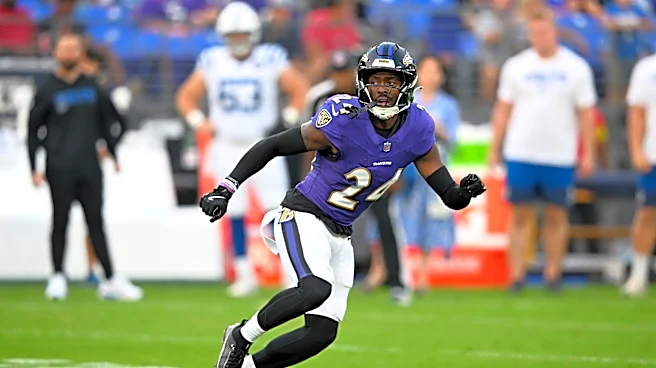
Safety Malaki Starks headlines that next generation, while Nate Wiggins has already demonstrated why the organization believes he can become a cornerstone in the secondary. Edge rushers Mike Green and Zion Young add youth to a position that always demands fresh legs, and linebacker Teddye Buchanan continues developing after earning significant playing time.
The Ravens' foundation extends beyond the defense.
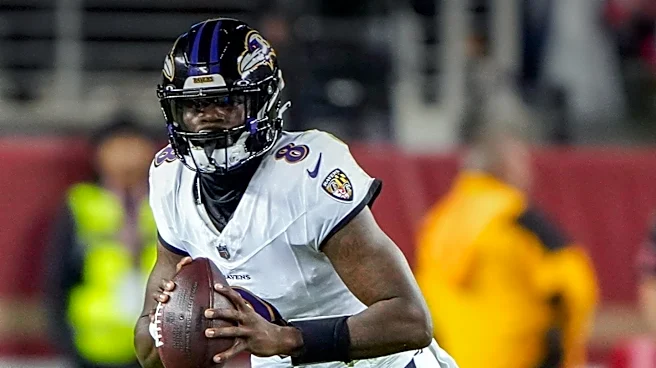
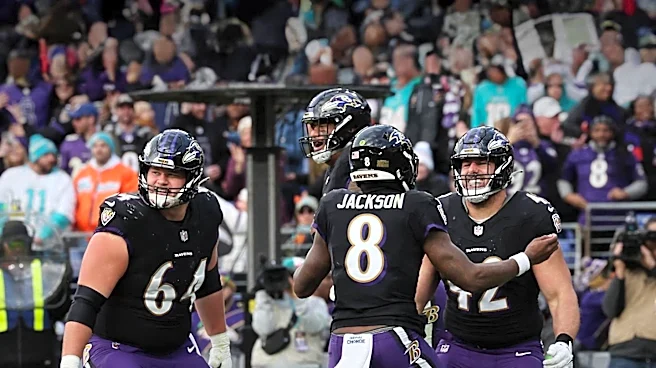
Baltimore's long-term planning hasn't been limited to one side of the football. Roger Rosengarten continues growing into an important piece of the offensive line. At the same time, first-round pick Olaivavega Ioane represents another investment in protecting Lamar Jackson and sustaining the Ravens' physical offensive identity.
At the skill positions, younger players such as Elijah Sarratt, Ja'Kobi Lane and Josh Cuevas give Baltimore additional developmental pieces capable of contributing in the years ahead. Not every prospect will become a star. The Ravens don't need them all to. They need enough of them to keep replenishing the roster before expensive departures create major holes.
Baltimore has built more than a contender. It's created something far better: culture and a system. Championship windows usually close because teams struggle to replace elite talent once contracts become expensive. Baltimore has spent years refusing to let that happen.
The Ravens have built an organizational philosophy centered on drafting well, developing patiently and trusting younger players with larger responsibilities before they become necessities. That approach has allowed them to remain competitive despite inevitable roster turnover that affects every NFL franchise.
There will eventually come a day when Baltimore's championship window begins to narrow. Every contender reaches that point sooner or later. Based on the Ravens' recent track record, however, that day doesn't appear to be arriving anytime soon. As veteran contributors give way to another promising generation of young talent, Baltimore has once again positioned itself to compete not just for this season but for many seasons to come.
This article originally appeared on Ravens Wire: Ravens keep reloading with young talent around Lamar Jackson