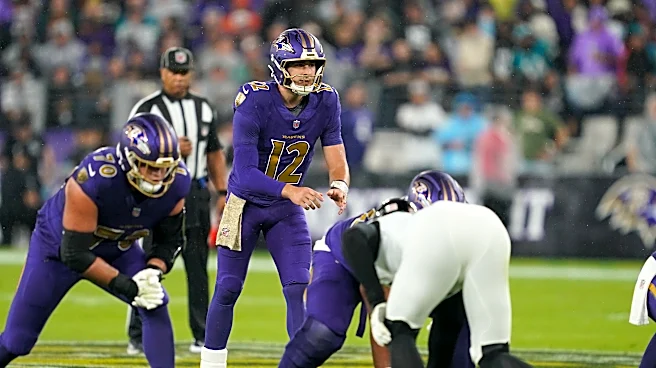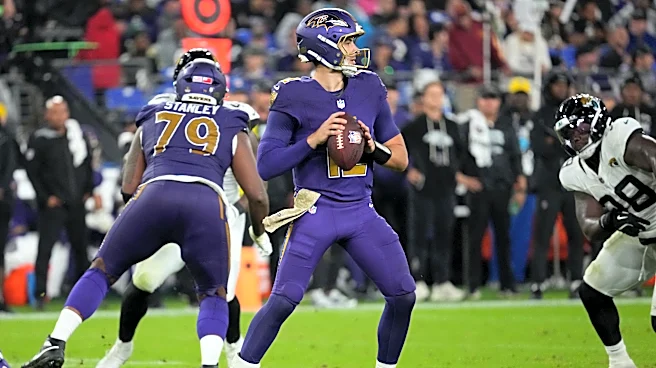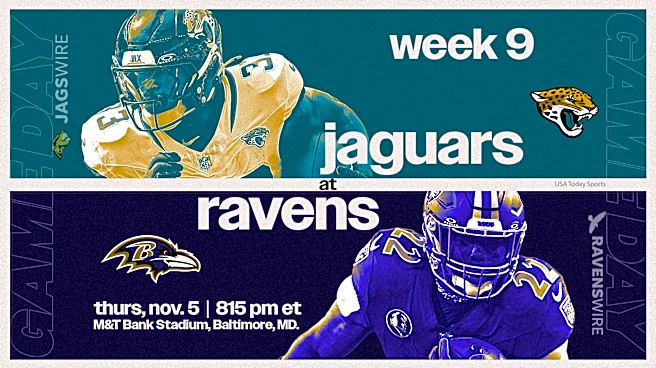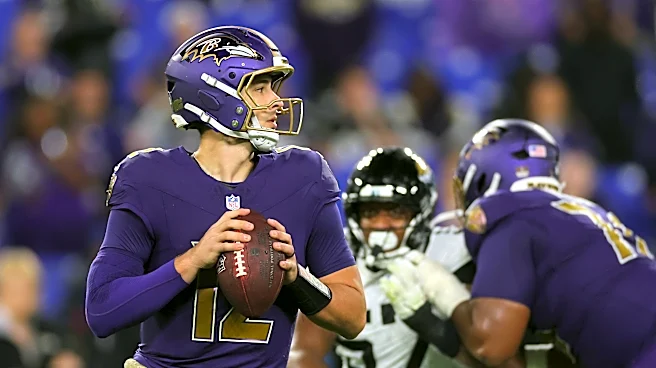


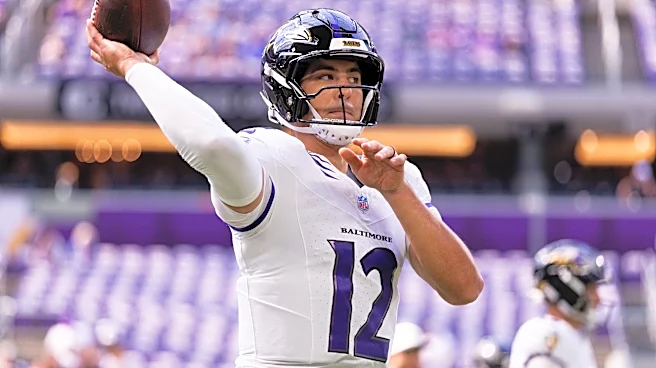
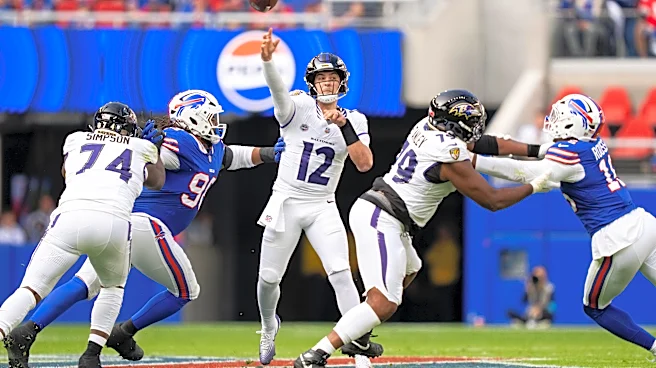

The Baltimore Ravens didn't exactly have the luxury of running their usual offense on Thursday, or at least that's what they thought. With no Lamar Jackson or Tyler Huntley, Joe Fagnano suddenly had to lead an offense with little time to prepare for life without its top two quarterbacks.
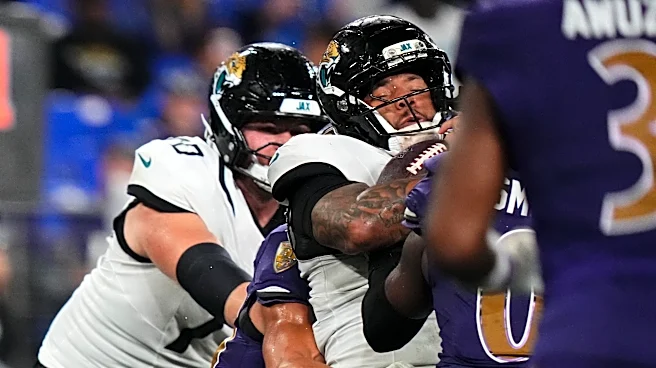
That obviously influenced strategy and Baltimore's approach against the visitingJacksonville Jaguars. Rather than asking Fagnano to carry the offense with an evolved passing attack, the Ravens leaned heavily on Derrick Henry in the Wildcat formation.
The idea was to create additional opportunities and mismatches on the ground. It was an unconventional approach, not one we have seen so extensively. Still, it reflected the personnel available and the challenge of
facing Jacksonville's defense.
Joe Fagnano explains the Ravens' Wildcat approach
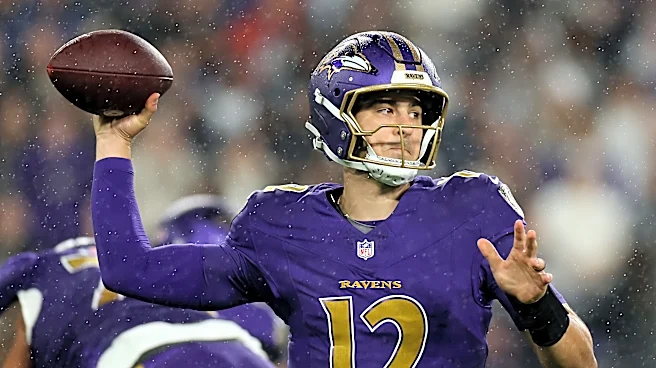
Fagnano's first NFL start came under difficult circumstances, with limited preparation time and an offense adjusting to significant changes at quarterback. The results were disappointing, maybe even worse than what was expected. He completed 10 of 18 passes for 60 yards with two interceptions.
He spoke with the media post-game. He refused to use the circumstances as an excuse when discussing the performance. He also acknowledged that he needed to play better despite dealing with an ankle issue during the week.
"I think anytime you have a quick turnaround, it poses its own challenges, but I'm not here to sit up here and make excuses. They were on a short week as well. Credit to the [Jacksonville] Jaguars; they played well. [We] just didn't execute today... We have a great athletic training room and those guys in there have taken care of me all week. So, they got me right. Again, you mentioned in your question, I am not going to sit up here and make excuses. I have to play better."
Joe Fagnano pinpoints Ravens' biggest offensive problem after Jaguars loss
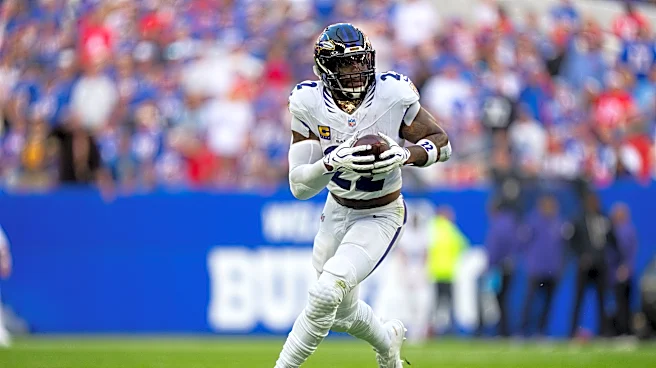
The Wildcat formation helped Baltimore find some success running the football, but the offense struggled to turn those opportunities into sustained possessions. Henry finished with 57 rushing yards on 17 carries, while Justice Hill provided a spark with a 65-yard touchdown run. The Ravens surpassed 150 rushing yards as a team, but penalties and turnovers repeatedly cut their progress short.
Fagnano acknowledged that the coaching staff had a plan to get Henry involved, but he also recognized that the offense needed to do more with those opportunities.
"I wouldn't use the word frantic. We have some really good coaches on the offensive side of the ball. We have some great players, [like] Derrick Henry. You want to get him the ball any way you can, so that was just part of the plan, [which] was obviously to run. [I] felt like we did that pretty well there in some spurts. We have to be able to sustain some drives, whether that's me making a play or making a better decision or not shooting ourselves in the foot."
That final admission is particularly important. Baltimore's inability to sustain drives wasn't exclusively a quarterback problem. Pre-snap penalties repeatedly put the offense behind schedule, while turnovers made it difficult to build any momentum. Fagnano recognized that he had a role in fixing those issues, whether through better decisions or making plays when opportunities presented themselves.
The Ravens have an extended break before returning to action during Monday Night Football in Week 10. Fagnano and the offense will have more time to review the Jacksonville performance and work toward a more consistent approach, as he will likely return to backup duty, this time behind Jacoby Brissett.
Getting Henry involved remains important, but Baltimore needs more than occasional explosive runs to make its offense productive. They need a legitimate threat at signal-caller. Can Brissett provide that? We won't have to wait much longer to find out.
This article originally appeared on Ravens Wire: Joe Fagnano explains Ravens' heavy use of Derrick Henry in Wildcat