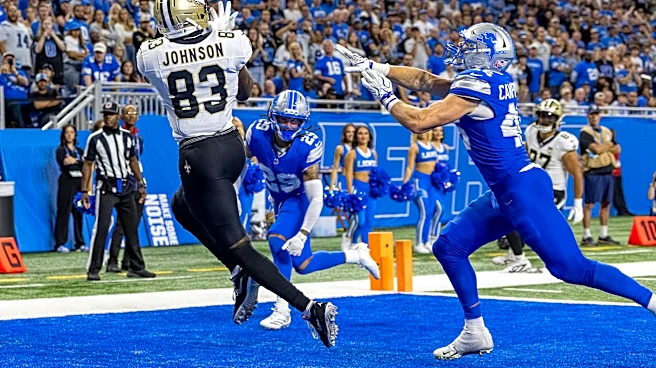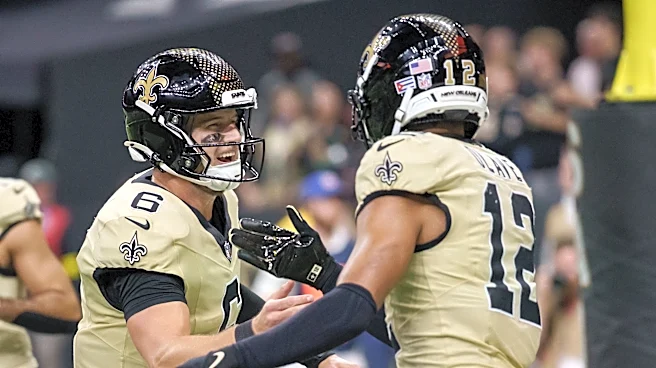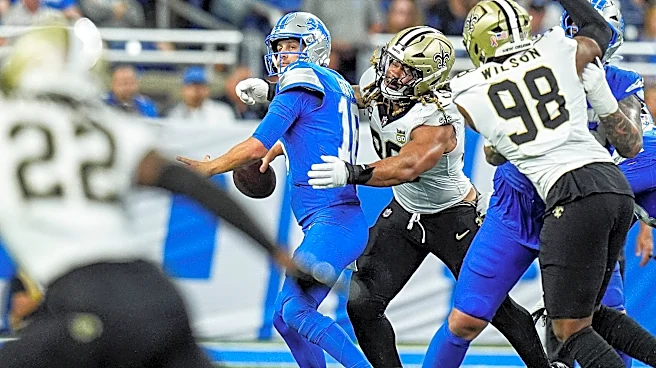


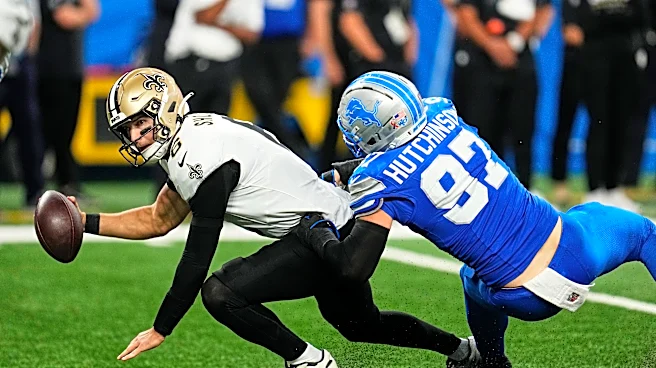

New Orleans showed considerable resilience against Detroit, but the Saints spent most of the afternoon attempting to recover from an alarming start. Detroit built a 21-0 advantage before New Orleans found its rhythm. The Saints eventually forced overtime but still allowed 31 points and failed to complete the comeback.
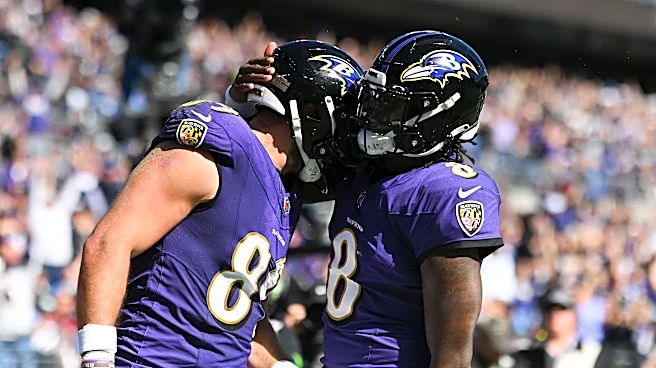
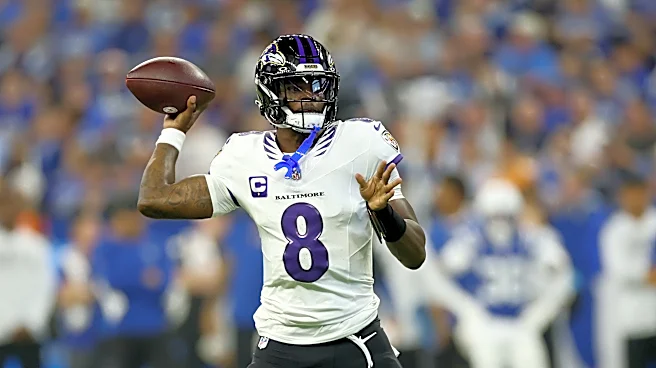
That inability to control the game early represents a major concern before facing Lamar Jackson, Derrick Henry and a Baltimore offense that scored 41 points in its opener. The Ravens scored touchdowns on their first two possessions against Indianapolis and would have reached the end zone on each of their first five drives if a holding penalty had not erased Ja’Kobi Lane’s touchdown reception. Henry finished with 144 rushing yards
and three scores. Jackson added 324 passing yards, 43 rushing yards and another touchdown on the ground.
New Orleans has recognizable players throughout its defensive front, including Chase Young, Cameron Jordan, Carl Granderson and Davon Godchaux. However, that group must prevent Baltimore from establishing its running game and controlling favorable down-and-distance situations. The Saints must also reduce the explosive plays that helped Detroit build an early advantage. Jackson averaged 13 yards per completion against Indianapolis, while Zay Flowers produced 150 receiving yards before leaving with a hamstring injury. New Orleans’ comeback showed that its offense can erase mistakes. Relying on another large rally in Baltimore would be dangerous.
The Saints must tackle efficiently, limit Henry on early downs, and prevent Jackson from creating explosive plays through the air or on scrambles. Another slow defensive start could allow Baltimore to take control before New Orleans’ offense has time to respond.
This article originally appeared on Ravens Wire: Saints’ biggest weakness entering their Week 2 game with Ravens