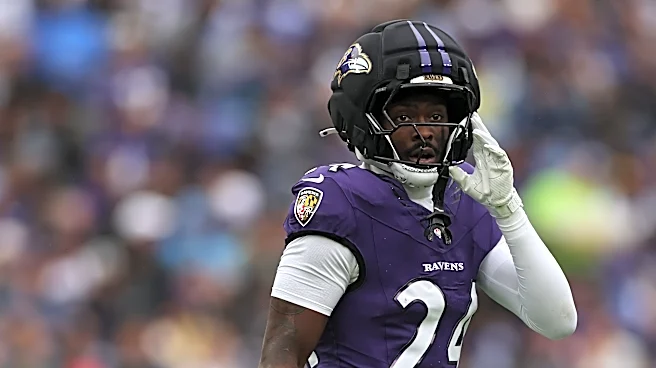



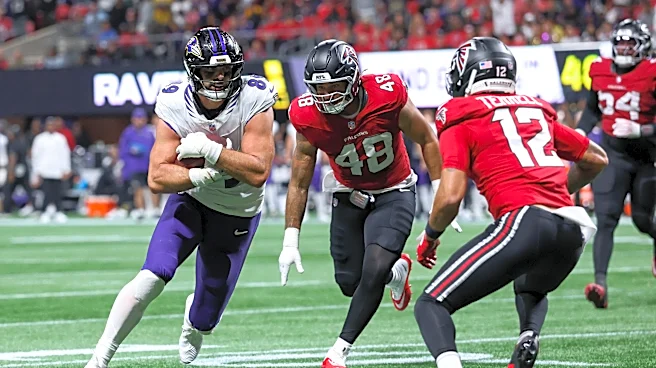

Most agreed that the Baltimore Ravens' decision to draft Malaki Starks could work out for several reasons. One of which was his ability to make plays across the secondary. Another was his physicality and how that gave his defense another way to use him. This season, Starks has found opportunities to play closer to the line of scrimmage, where his instincts and willingness to attack can disrupt an offense before a play has time to develop.
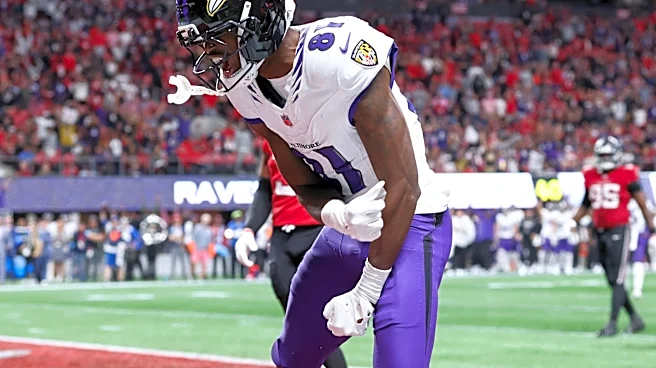
After a solid primetime effort against the Atlanta Falcons, he spoke with the Baltimore media a few days later. He discussed that aspect of his game while explaining what he believes he does well on the field. His instincts help him recognize developing plays, while his physical approach allows him to get involved
near the line and make an impact against the run. Those traits give Baltimore flexibility in how it deploys him rather than limiting his responsibilities to coverage.
"I think that is football. I think you cannot play football without being physical (his answer when asked how much pride he took in playing with a physical edge in Week 5)... "I think just my instincts and my physicality [are activated when I play closer to the line of scrimmage]. I think I am just trying to hone in on that, and like I said earlier, [it's] just a day-to-day, week-to-week league. [I'm] just trying to be my best when my best is needed and just continue to grow throughout this experience."
That attitude matters for a defense looking to create more negative plays and get opposing offenses behind the chains. Starks' ability to contribute closer to the line gives the Ravens another option to attack an offense, especially when his recognition lets him beat a blocker to the spot.
Malaki Starks' instincts give Baltimore another defensive weapon
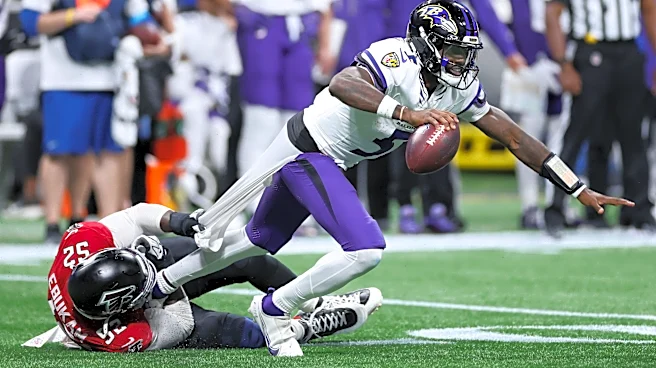
Starks recorded two tackles for loss against the Atlanta Falcons in Week 5, evidence of the kind of disruption Baltimore can get when he recognizes an opportunity and attacks decisively. That role's value extends beyond the occasional tackle behind the line. A defender who diagnoses a play quickly can force a running back to change direction, disrupt a blocking assignment, or make a quarterback adjust after the snap.
Those moments can derail an offense's timing and make the rest of the defense's job easier. Baltimore also benefits from having a defensive back who can contribute in multiple areas. Starks can still be part of the coverage plan while offering a physical presence closer to the box, giving the coaching staff options depending on the opponent and defensive call. The key is using his aggression without compromising the responsibilities that keep the secondary connected.
The Ravens need Starks to turn versatility into consistency
Starks' physicality will be particularly useful asBaltimore prepares for the Cleveland Browns. Cleveland can challenge defenses with a power-oriented running game, requiring defenders to recognize blocking schemes, maintain their assignments, and finish tackles. Starks' ability to read plays quickly and close space could help the Ravens limit opportunities for the Browns to establish their preferred style.
The challenge is balancing that aggressiveness with sound positioning. Moving closer to the line can create chances for negative plays, but it also demands discipline to avoid leaving openings elsewhere in the defense. Starks must keep trusting his reads while staying connected to the players around him.
For Baltimore, his development offers another way to make the defense more versatile and disruptive. Starks doesn't need to abandon his secondary responsibilities for his physicality to matter; he needs to recognize when the situation calls for him to attack. If the Ravens can consistently put him in positions to use those instincts, his impact can reach well beyond the plays that show up on the stat sheet.
This article originally appeared on Ravens Wire: Malaki Starks sees instincts and physicality fueling his growth with Ravens