


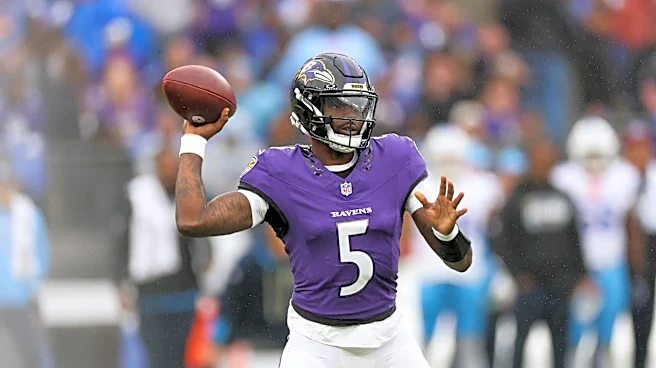
TheBaltimore Ravens are seeing progress in areas that have troubled their offense and defense, but as expected, the focus remains on improvement. Jesse Minter knows that, and speaking of improvement, added success on early downs means little if the defense can't finish possessions.
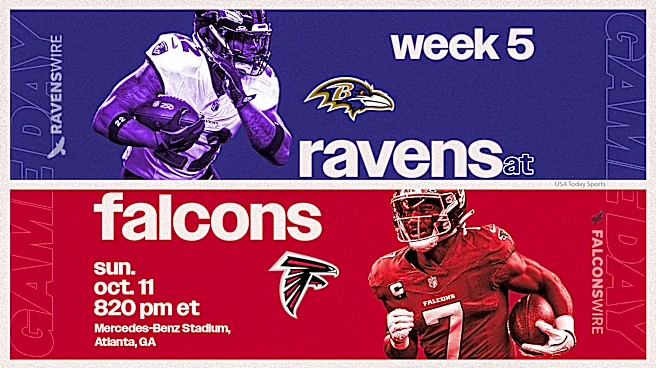
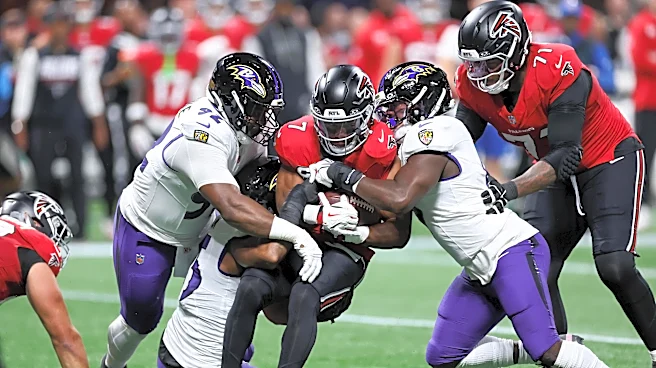
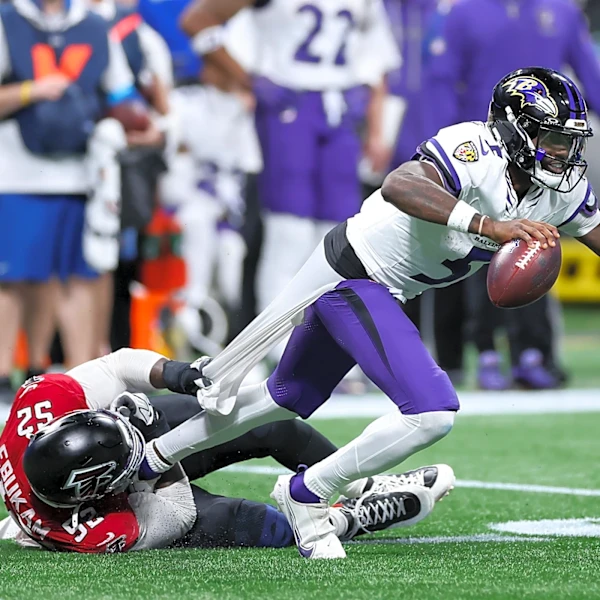
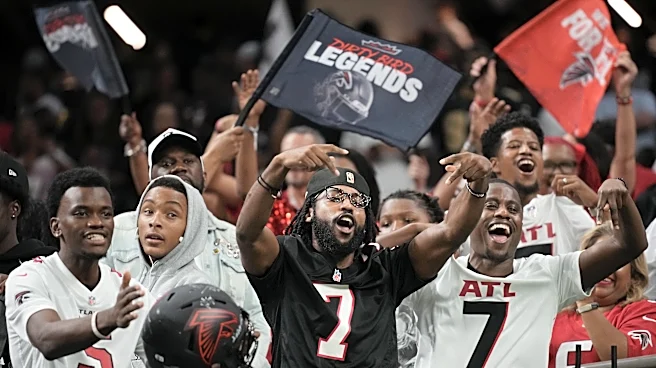
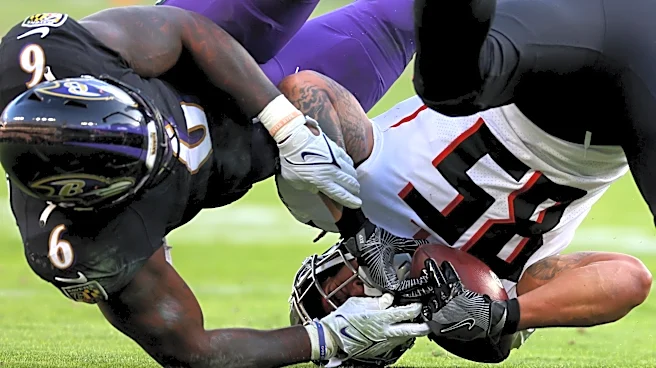
Against the Atlanta Falcons, Baltimore did much of the difficult work up front before allowing opposing quarterback Michael Penix Jr. to keep drives alive on third down. Atlanta converted nine of their 17 third-down attempts. Coach Minter sees that as a problem, one he attributed to communication breakdowns, execution mistakes, and effective plays by the opposing offense.
For a defense that believes it is improving, particularly against the run, those failures have
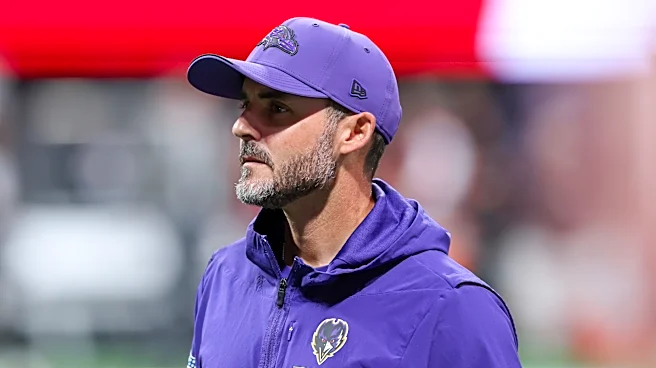
become an obstacle to more complete performances. Minter addressed the issue in a Monday media session, making clear that the next step is turning promising defensive sequences into stops.
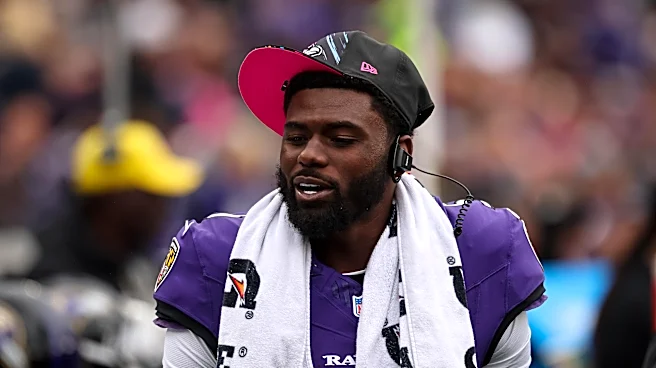
"I thought we definitely played our best game of normal down, first- and second-down defense, against a really challenging running game and offense. I thought we dominated first and second down."
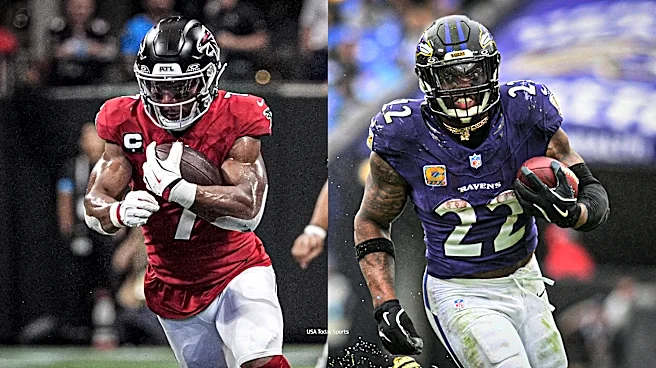
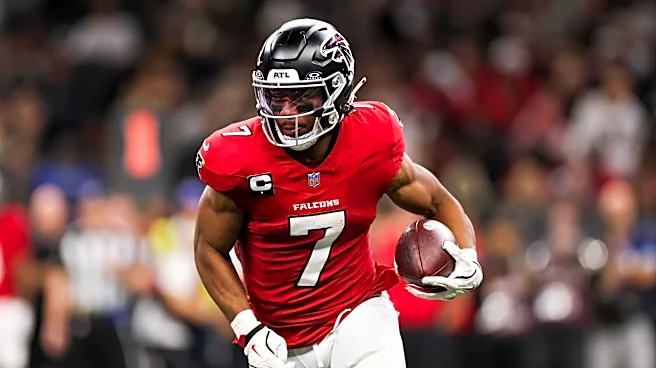
The Ravens' approach against Atlanta's running game let them play physically while often keeping two safeties deep. Minter was pleased with the front's ability to generate knockback and limit opportunities for Bijan Robinson. His longest run went for 38 yards, but the Ravens didn't repeatedly give up explosive plays to him, which is an accomplishment in and of itself.
The 38-yarder didn't result in a touchdown. Atlanta eventually settled for a field goal. Minter singled out Malaki Starks for making the tackle that prevented a potentially worse outcome.
Getting off the field on third down is the Ravens' next step
As mentioned, the trouble came on third down, when the Falcons repeatedly found ways to extend drives. Minter said some problems stemmed from calls reacting to previous plays, while others involved miscommunication or players executing assignments differently than intended.
"I would say, it is a combination of a lot of things. It is, calls where [we are] reacting to what happened on plays before. [It is] a little bit of miscommunication, a little bit of misexecution, hearing a call differently than what the call was."
Minter accepted responsibility for examining the scheme alongside his defensive staff, rather than placing the burden entirely on the players. He also acknowledged that Michael Penix made several quality plays, including some under pressure, and that Atlanta deserves credit for capitalizing on its opportunities.
The Ravens cannot expect every third-down failure to disappear through communication alone, particularly when opposing quarterbacks can extend plays and deliver accurate throws. They must improve their execution while continuing to challenge the offense. The encouraging sign is that Minter believes the defense has improved over the last couple of weeks.
Baltimore's run defense and early-down work give the coaching staff a foundation to build on, even as the third-down numbers remain concerning. The next challenge is turning that progress into complete defensive possessions. If Baltimore keeps controlling first and second down but gives opponents another chance on third, it will keep games harder than necessary. Minter has identified the problem; now the Ravens need to show they can correct it.
This article originally appeared on Ravens Wire: Jesse Minter pinpoints third-down failures holding Ravens' defense back