
We're one step closer to Baltimore Ravens football that counts. One of the annual (and welcome) pieces of evidence is the annual introduction to the initial 53-man roster. As expected, several decisions stood out, withtwo added undrafted rookie free agents being among them. Another notable nugget was the decision to keep six defensive linemen.
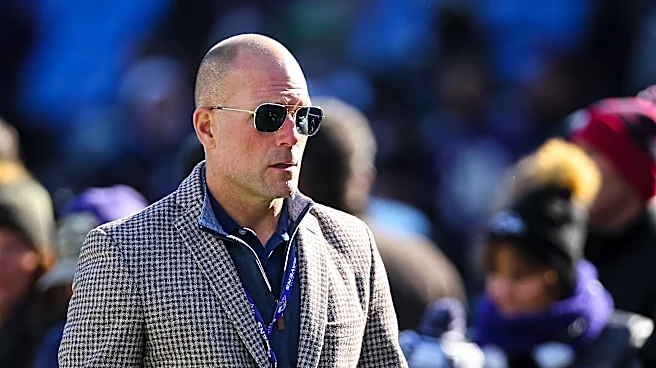
Six... A number that exceeded what some expected from a team facing roster crunches elsewhere. As it turns out, that decision was not accidental. Speaking with reporters on Wednesday for the first time since the roster was introduced. Ravens general manager Eric DeCosta acknowledged that lessons learned from last season played a significant role in how Baltimore constructed its roster.
DeCosta was candid
while discussing the team's overall depth strategy. He specifically pointed to the defensive line as a position where recent experiences influenced the final roster count.
"I think in looking at this year, one instance, we have got some defensive linemen, I do not want to call them old, but they are more experienced. We had a few guys with some injuries. Did that factor into us keeping six defensive lineman? [It] probably did in some respects."
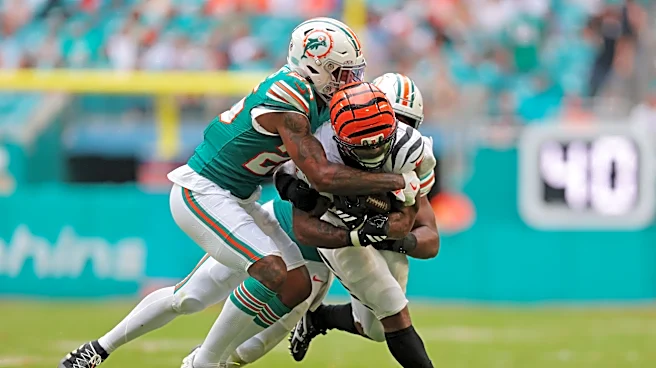
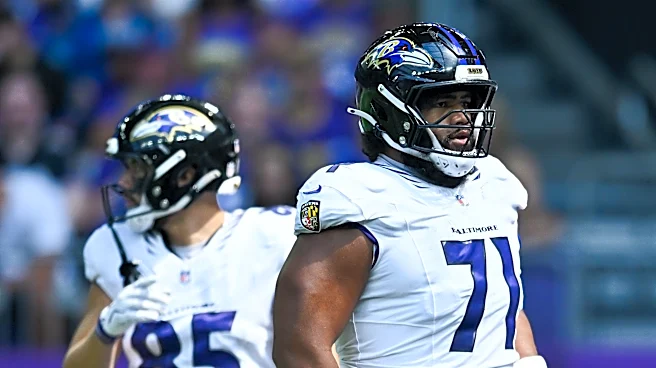
That admission offers a glimpse into how Baltimore approached roster building after watching injuries test the depth of several position groups in recent seasons. Perhaps this will pay off. The Ravens enter the season with one of the NFL's most talented defensive fronts. They're led in part by Nnamdi Madubuike, Calais Campbell and Travis Jones. It is also a group carrying more uncertainty than raw talent alone might suggest.
Ravens are prioritizing strength in numbers up front
Madubuike is still working through the process of returning from injury, while Campbell enters another season as one of the league's oldest active defensive linemen. Baltimore also understands how quickly a perceived strength can become a weakness once injuries begin to accumulate. DeCosta referenced the team's infamous running back injury crisis from several years ago as an example of how rapidly depth charts can unravel.
That experience has shaped the organization's philosophy when difficult roster decisions arise. Rather than risking a shortage of bodies up front, Baltimore opted to keep additional defensive line depth and trust that the extra investment would prove worthwhile over a 17-game season.
The move reflects a broader theme throughout this roster. DeCosta repeatedly emphasized balancing veteran experience with younger contributors while building enough depth to withstand the inevitable attrition that accompanies an NFL season.
If the Ravens stay healthy, carrying six defensive linemen may seem unnecessary in hindsight. If injuries strike again, however, Baltimore hopes this year's roster construction will look less like over-preparation and more like wisdom earned from experience.
This article originally appeared on Ravens Wire: Ravens applied lessons from last season to D-Line roster construction