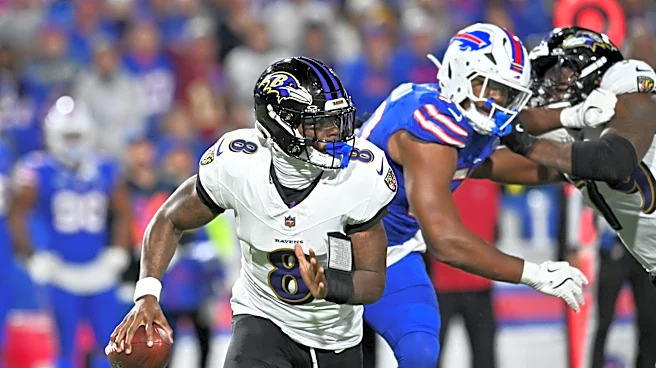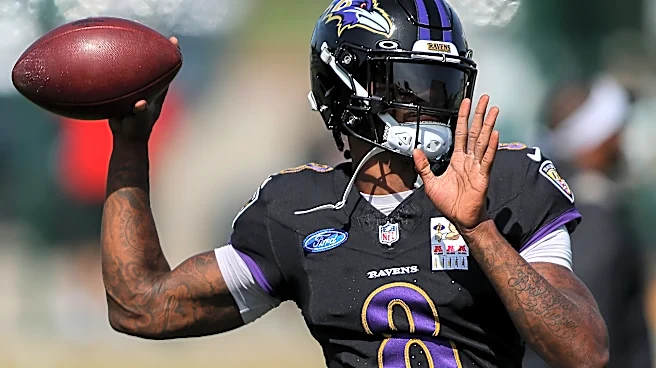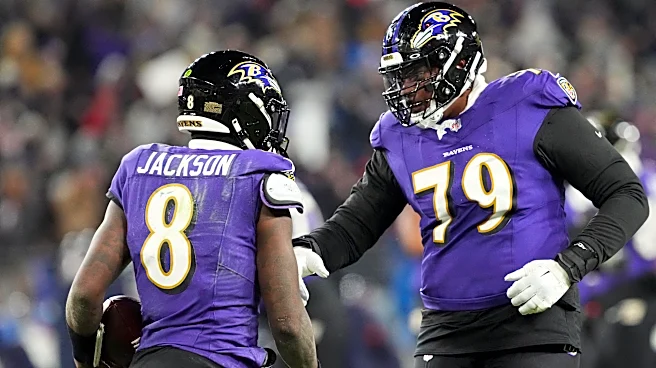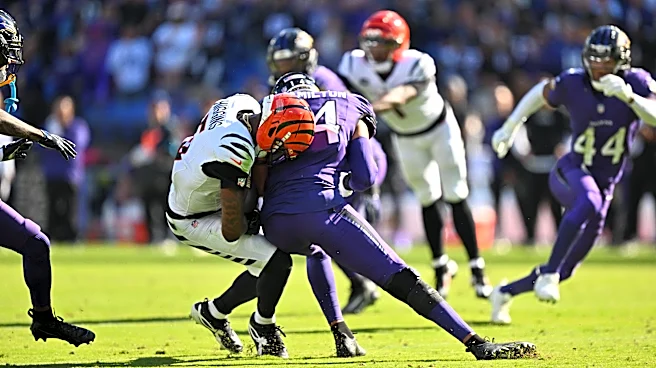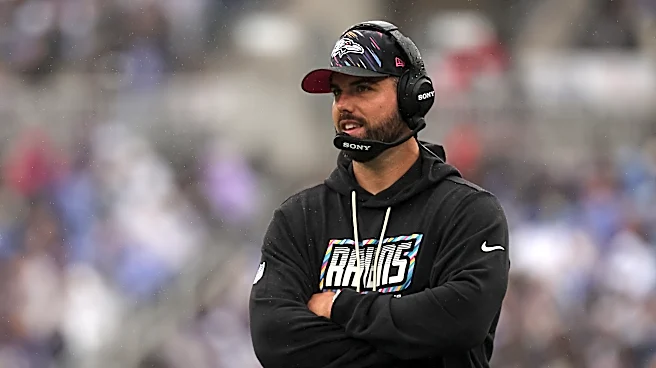




Those paying attention have probably noticed that the Baltimore Ravens' offensive struggles have put their execution in the spotlight. Their highest-ranking assistant on that side of the ball, Declan Doyle, has had to evaluate both his players' execution and his own decisions.
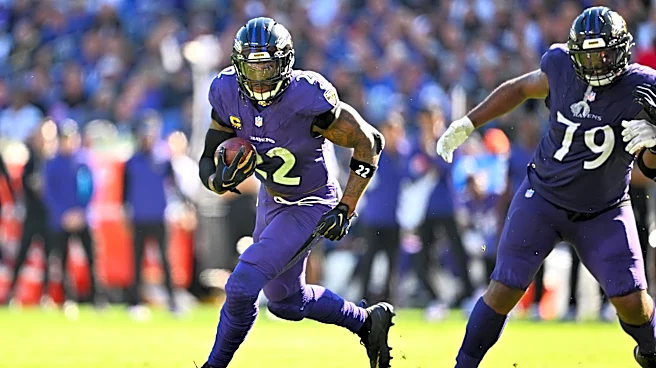
The offensive problems aren't limited to an inability to produce yards. Doyle spoke with the media recently. He identified missed assignments in the running game, while acknowledging that his own decisions deserve scrutiny.
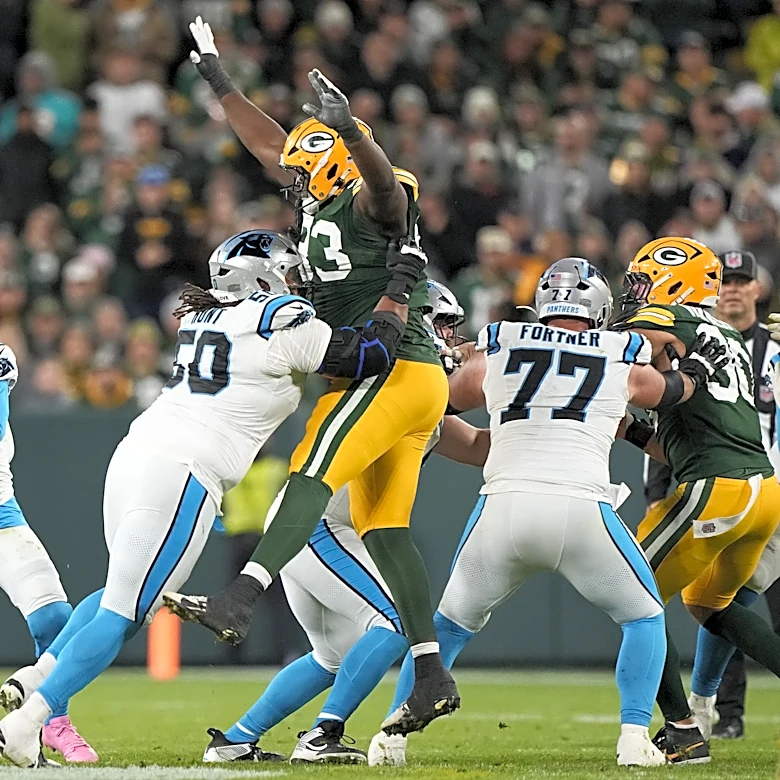
"There are too many times where we have unblocked players that are unaccounted for that should be accounted for in the scheme. So, we have to clean that up as a staff, as players, to be able to go out and execute really what looks good on paper, but we don't
play the game on paper. So, as things change, pressures show up and things like that, we have to be able to echo the calls that handle those problems."
Doyle's comments offer a look at how the coaching staff prepares for different situations, organizes its calls, and evaluates what happens when the plan doesn't produce the desired results. His explanations reveal both the details disrupting the offense and the decisions he must make from the sideline.
Doyle made it clear that correcting the running game requires more than the offensive line winning its individual matchups. Every player has a responsibility in the design, and those responsibilities must remain connected for the play to work as intended. The center helps communicate assignments, but the information must reach the tackles and tight ends, while the running backs and quarterback must execute their parts.
When asked about the details involved in fixing the running game, Doyle explained how much responsibility falls on the entire offense.
"Everybody has a responsibility in the run game. It's not just the offensive line. It's the tight ends, it's the receivers blocking, it's the running backs and their tracks and their eyes, it's the quarterback and his fake and holding that backside defender. It's all 11 guys doing their job."
That collective responsibility becomes especially important when a defense presents a look that changes the blocking assignments. Doyle said Baltimore has to communicate those adjustments clearly and ensure everyone understands how to handle the pressure. If one player misses the message or fails to execute his assignment, a defender can get into the backfield before the play has a chance to develop.
Doyle also acknowledged that the coaching staff must be willing to simplify the offense when things get chaotic, rather than letting too many variables create more opportunities for mistakes. However, he doesn't see abandoning the run as an acceptable solution.
"The one thing you can never do is get away from the run game."
Baltimore's challenge is to maintain that commitment while making the adjustments needed to execute more consistently. The coaching staff must identify where the breakdowns occur, communicate the answers, and give players a clear understanding of their responsibilities.
Declan Doyle reveals how the Ravens organize their play calls
Doyle also offered insight into the process behind Baltimore's offensive game plan, explaining how the coaching staff organizes plays according to down and distance. Rather than approaching every situation without a framework, the Ravens group calls into categories designed for specific circumstances.
One of those categories is "G-BOT," which stands for "Get Back on Track." Doyle explained that it generally applies to second-and-7 or longer, giving the staff a set of options when the offense needs to recover from an unfavorable down and distance.
That preparation is only one part of the process, though. Doyle must also decide how to use those calls as the game unfolds and whether the offense should stick to its original approach or respond to what the defense is doing.
His preparation extends to halftime, when he has a separate script ready for the offense. Doyle said he spends as much time on the second-half script as he does on the opening plan, but acknowledged that he hasn't always followed it closely enough.
"There are times where I would say I probably haven't stuck to that second-half script enough, and I probably have to stick with my guns a little more at times."
That admission is significant because it shows Doyle is evaluating his own decisions alongside the players' execution. When an offense struggles after halftime, the answer isn't necessarily to change everything. The coordinator must determine whether the original plan still offers the best opportunity to succeed or whether the defense has forced a meaningful adjustment.
Doyle's willingness to examine his own decisions is an important part of the Ravens' effort to get the offense back on track. Better communication can help eliminate unblocked defenders, but the coaching staff must also make sure its preparation translates into sound decisions when the game is on the line. Baltimore doesn't need to scrap its offensive identity; it needs to execute the plan, adjust when necessary, and give its running game a chance to become the dependable part of the offense Doyle believes it can be.
This article originally appeared on Ravens Wire: Ravens OC Declan Doyle reveals what's hurting Derrick Henry, run game