
The Baltimore Ravens will face more than Dak Prescott and CeeDee Lamb when they attempt to slow the Dallas Cowboys’ passing attack in Brazil. Dallas has surrounded Prescott with multiple receiving threats who can win at different levels of the field. Lamb can move throughout the formation, George Pickens challenges defenses outside the numbers, Jake Ferguson works the middle, and Javonte Williams provides another option from the backfield.
That collection of weapons will test every level of a Baltimore defense attempting to rebound from its fourth-quarter collapse against New Orleans.
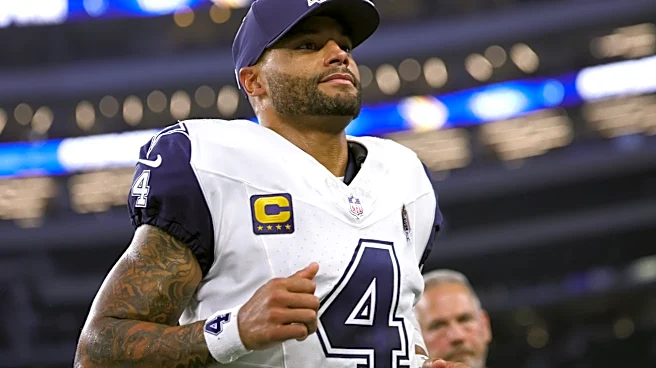
Dak Prescott is operating with efficiency
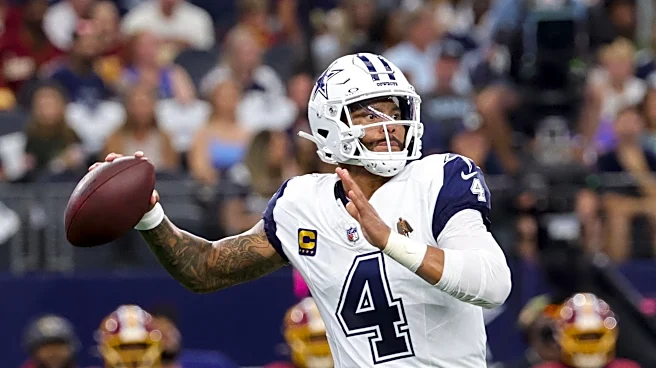
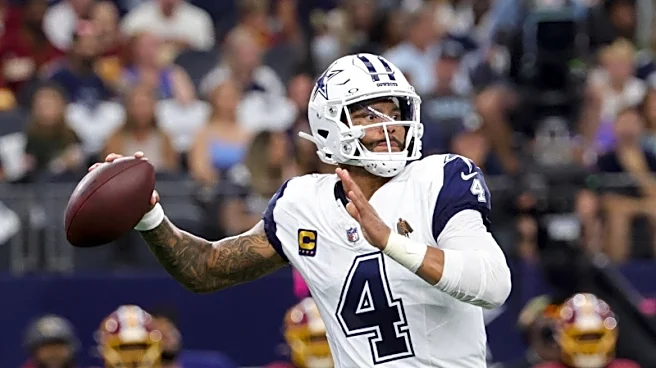
Prescott has completed 73.8% of his passes with six touchdowns, one interception, and a 117.1 passer rating through two games. He completed 26 of 31 attempts for
279 yards and four touchdowns during Dallas’ 37-20 victory over Washington. The performance moved Prescott past Tony Romo as the Cowboys’ career leader in touchdown passes.
Prescott is at his best when he can diagnose coverage before the snap, remain on schedule, and distribute the football quickly. Baltimore must disguise its intentions and generate pressure without giving him obvious answers.
Letting Prescott operate from a clean pocket would put enormous pressure on the Ravens’ secondary.
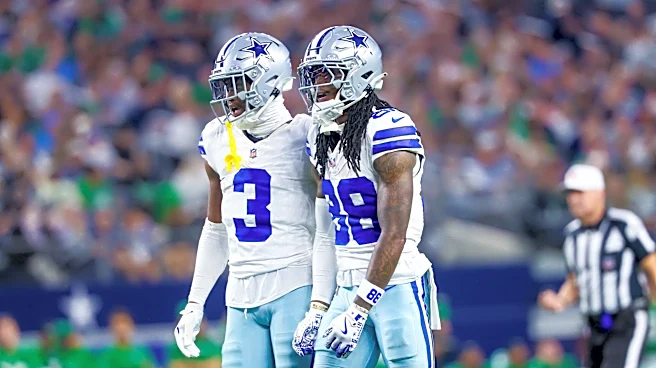
CeeDee Lamb is the primary coverage problem
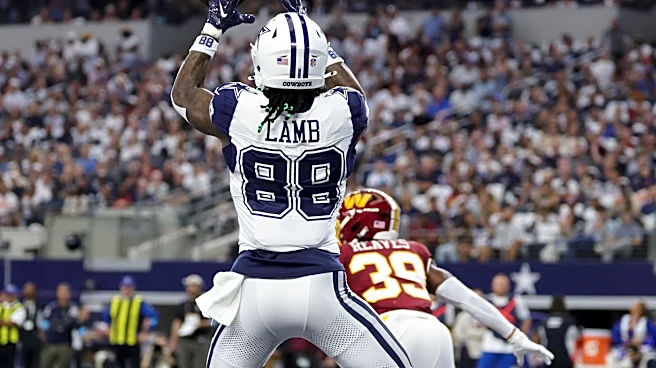
Lamb leads Dallas with 13 receptions for 197 yards and three touchdowns. He erupted for eight catches, 153 yards and two scores against Washington after recording five receptions for 44 yards and a touchdown in the opener.
Dallas can align Lamb outside or move him into the slot, where his route running and post-catch ability create difficult matchups. He can win underneath, separate on intermediate routes, or attack vertically when defensive backs become too aggressive. Baltimore could use Marlon Humphrey against Lamb in the slot and ask Nate Wiggins to handle him outside. Kyle Hamilton will also help limit Lamb across the middle.
The Ravens cannot simply assign one defender to Lamb and expect that matchup to hold throughout the afternoon. They must change coverages and provide help without making their intentions obvious.
George Pickens demands respect on the opposite side
Pickens has nine catches for 68 yards through two games, but those modest numbers do not reflect the danger he presents. The former Steelers receiver produced 1,429 yards during his first season with Dallas. His size, body control, and contested-catch ability make him a threat on back-shoulder throws and sideline passes.
Pickens’ presence prevents Baltimore from directing every coverage resource toward Lamb. Leaving him isolated creates opportunities for Prescott to take calculated deep shots, particularly if the Ravens use their safeties to help elsewhere. Wiggins has the length and speed to challenge Pickens, but Baltimore’s pass rush must prevent longer routes from developing.
Jake Ferguson controls the short and intermediate areas
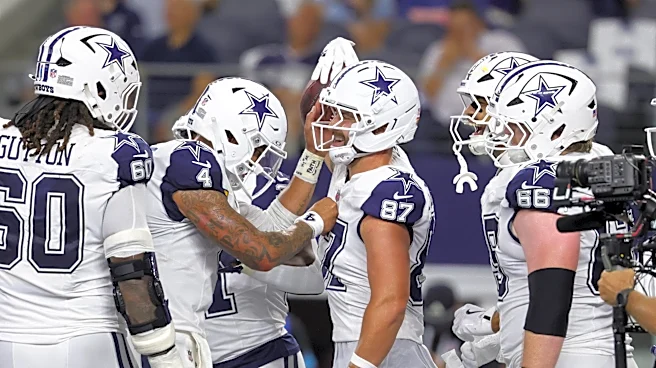
Ferguson has caught six passes for 49 yards and two touchdowns. Both scores demonstrate his importance near the goal line and on third down. The Cowboys use Ferguson on hooks, option routes, crossers, and play-action concepts that take advantage of linebackers stepping toward the line of scrimmage. He scored on a 10-yard reception against Washington as Dallas repeatedly created open throws through formation and spacing. Hamilton and Baltimore’s linebackers must communicate when Ferguson moves across the formation. Losing him in traffic could result in easy completions that keep Dallas ahead of the chains.
Javonte Williams adds another receiving threat
Williams has caught eight of nine targets for 51 yards and one touchdown. His numbers are not overwhelming, but his role gives Prescott an efficient answer when defenses take away the deeper routes. Dallas can release Williams into the flat, use him on screens, or isolate him against a linebacker. Those throws force defenders to tackle in space and discourage aggressive pressure packages. Baltimore must recognize screens quickly and rally to the football. Allowing Williams to turn short receptions into first downs would help Dallas sustain drives and control possession.
Dallas has useful complementary weapons
Ryan Flournoy serves as the Cowboys’ third receiver and gives Dallas another physical target when defenses concentrate on Lamb and Pickens. KaVontae Turpin supplies speed, pre-snap motion, and gadget-play potential.
Brevyn Spann-Ford provides a 6-foot-7 target behind Ferguson, while Dallas can use multiple tight-end formations to create favorable matchups or force Baltimore into heavier personnel. None of those players should command the same coverage attention as Lamb. Their presence, however, makes Dallas difficult to defend when Prescott distributes the football instead of forcing throws to his stars.
Baltimore must make Dallas earn every completion
Tyler Shough completed 27 of 34 passes for 252 yards against Baltimore in Week 2. Chris Olave caught eight passes for 86 yards, and the Saints scored 15 unanswered points during the fourth quarter. Dallas presents a more complete and explosive challenge.
Baltimore must pressure Prescott, eliminate communication breakdowns, and tackle immediately after the catch. Anthony Weaver cannot devote the entire coverage plan to Lamb because Pickens, Ferguson, and Williams can exploit the resulting matchups.
This article originally appeared on Ravens Wire: Cowboys’ deep group of playmakers will challenge Ravens in Brazil