


Spend enough time around theBaltimore Ravens or listening to them, and one word continuously surfaces. That word is 'family.' It's more than a slogan. Other teams use the same word constantly, but the Ravens have proven it's the foundation of how their organization operates.
The Ravens have quietly created a culture where titles don't define relationships, career paths aren't predetermined, and opportunities aren't reserved exclusively for the biggest names. Whether someone arrives as an undrafted rookie, an entry-level scout or a young assistant coach, Baltimore has consistently demonstrated that performance, not pedigree, opens doors.
The Ravens reward growth from within
One of the organization's defining traits is its willingness to invest in its own people. General manager Eric
DeCosta is perhaps one of the best examples. He, if you remember, promised thattalent was more important to him than position when the most recent NFL draft approached.
Long before becoming the architect of one of the NFL's deepest rosters, DeCosta entered the organization as a player personnel assistant in 1996. He later became an area scout, climbed through multiple levels of the personnel department and ultimately succeeded Hall of Fame executive Ozzie Newsome.
The coaching staff tells a similar story. More and more coaches have grown up inside the Ravens organization. Some eventually leave for larger opportunities elsewhere, but Baltimore has repeatedly shown that those departures don't close the door forever.
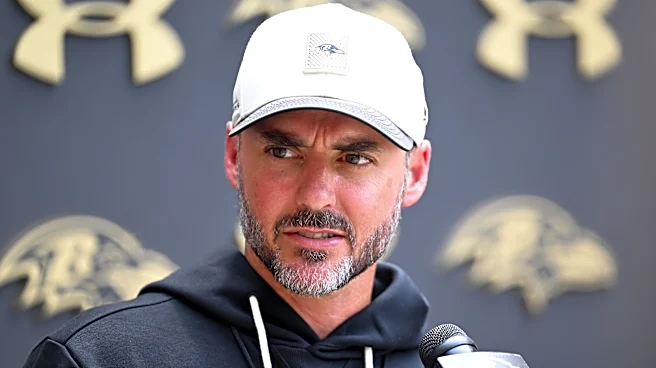
Jesse Minter returned to become the Ravens' head coach. Anthony Weaver came back after advancing his coaching career elsewhere. Anthony Levine, once a warrior on special teams, transitioned from beloved player to respected assistant coach.
The message is unmistakable. Once you're part of the Ravens family, that relationship rarely ends. That philosophy extends to the locker room as well. The Ravens don't simply reward draft status. They reward production. Last season, Baltimore signed three undrafted rookie free agents—linebacker Jay Higgins IV, safety Reuben Lowery III and defensive back Keyon Martin—to its initial 53-man roster after each earned the opportunity through outstanding preseason performances.
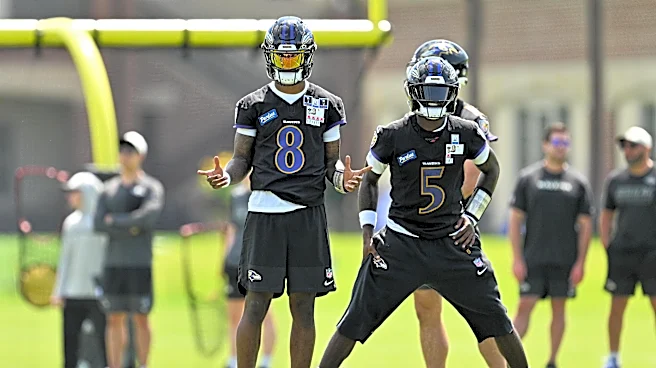
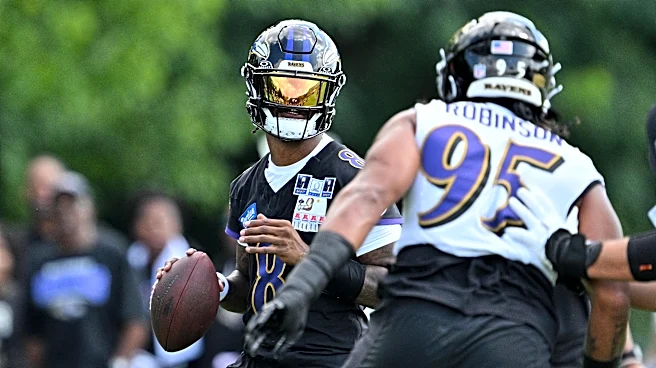
Of course, every roster has foundational stars. Lamar Jackson isn't competing for his place. Neither is Kyle Hamilton. Zay Flowers has firmly established himself as one of the franchise's cornerstones after earning a long-term extension, but those realities don't diminish what makes Baltimore different. The Ravens have repeatedly shown that every player, coach and executive can write the next chapter of their own story.
If someone consistently proves they belong, Baltimore has demonstrated a willingness to create opportunities regardless of résumé or draft position. In an NFL increasingly defined by constant turnover, the Ravens continue to believe one of their greatest competitive advantages comes from within. They don't simply identify talent.
They develop it, reward it and, perhaps most importantly, keep the door open for those willing to earn what comes next. That isn't to say hierarchy doesn't exist in Baltimore. Hierarchies exist everywhere, but at the Under Armour Performance Center, opportunity has always mattered more than where someone begins.
This article originally appeared on Ravens Wire: Ravens continue to make internal development a competitive edge