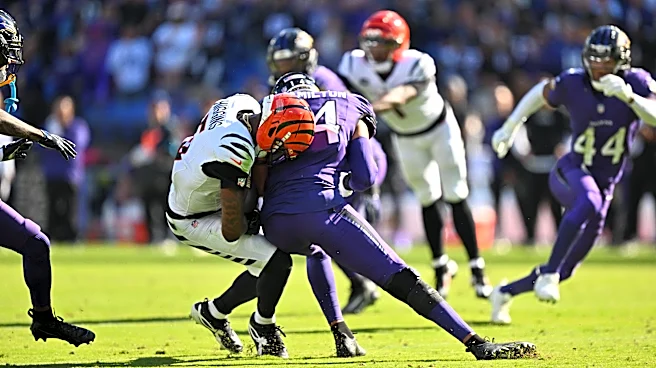



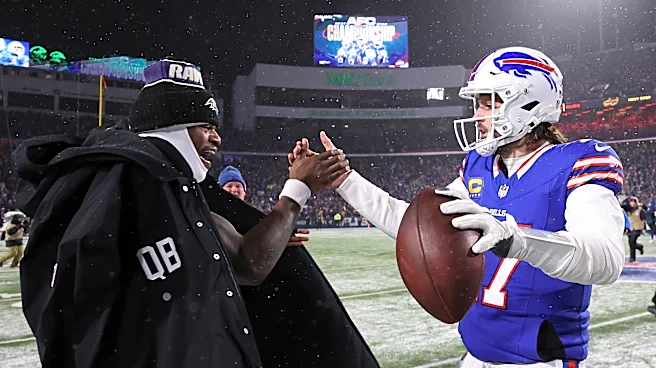

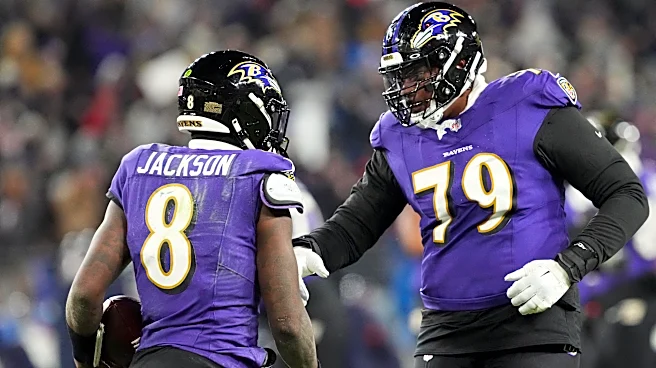

So, how many times have you heard about the Baltimore Ravens' blown leads this week? Don't worry. You aren't alone. It's been a common theme lately. The Baltimore Ravens allowed Cincinnati to score touchdowns on all five of its second-half possessions Sunday, extending a troubling stretch of defensive breakdowns that have contributed to consecutive losses.
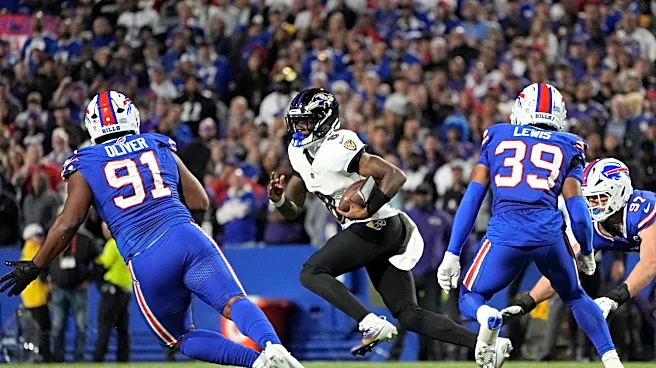
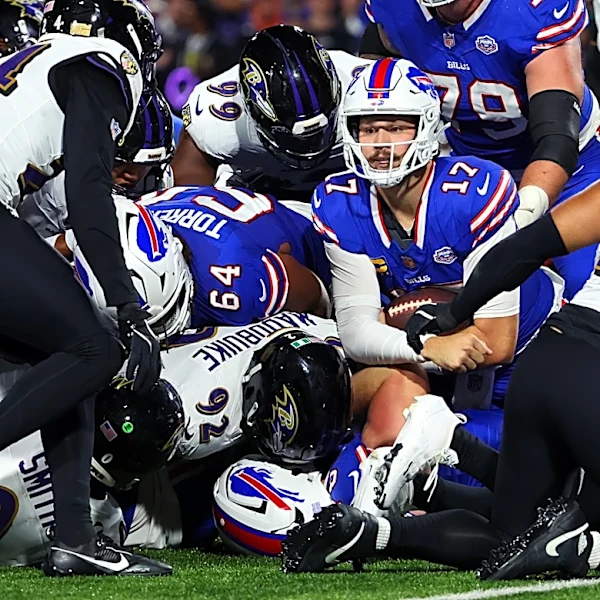
Baltimore now faces an even more difficult challenge against Buffalo, which enters Week 8 averaging an NFL-best 32.8 points per game. With Josh Allen capable of creating explosive plays through the air and on the ground, the Ravens must improve their red-zone execution, tackling and pass-rush discipline to avoid another second-half collapse.
The key here is that those long memories must grow
shorter. Pages have been turned, and the task seems obvious. Two straight losses can't grow into a three-game losing streak. The next assignment offers little time for reflection.
The Buffalo Bills enter Week 8 averaging an NFL-best 32.8 points per game, with Josh Allen capable of punishing defenses that lose discipline or fail to finish plays. Baltimore cannot afford another afternoon in which its performance deteriorates as the game progresses.
The Ravens have defensive strengths they can lean on, particularly against the run, but those advantages mean little without consistent execution. A better performance requires more than generating pressure or forcing Buffalo to throw. Baltimore must make the important stops that change possessions and keep the Bills from dictating the afternoon.
Finish red-zone possessions without allowing touchdowns.
The most glaring number from Baltimore's loss to Cincinnati was the Bengals' red-zone performance. They scored touchdowns on all five trips, leaving the Ravens without a single red-zone stop that forced them to settle for a field goal.
That kind of failure can make an otherwise competitive game slip away quickly. Against Buffalo, Baltimore must tighten its coverage, tackle decisively, and make the Bills earn every yard near the goal line. Forcing field goals would keep the Ravens competitive even if Allen moves the offense efficiently between the 20s.
Play zone coverage, then tackle the underneath throws
Baltimore uses zone coverage on 78.6% of its defensive snaps, according to Sharp Football Analytics. This approach can encourage quarterbacks to take shorter completions, letting defenders rally to the ball rather than giving easy access to deeper routes.
The problem comes when those routine completions turn into significant gains. Cincinnati found openings with underneath throws before creating opportunities farther downfield. The Ravens must close those windows with reliable tackling, particularly in the secondary, where missed tackles can transform manageable plays into explosive gains.
Keep Josh Allen inside the pocket.
Allen has been sacked 12 times in six games, suggesting opposing pass rushers can get to him. However, pressure alone isn't enough against a quarterback who can escape the pocket and turn a broken play into a damaging scramble.
Baltimore's edge defenders must maintain their rush lanes instead of racing past Allen in pursuit of a sack. If he can step around (or through) pressure, the secondary is forced to cover longer, increasing the likelihood of a receiver getting open. The Ravens need to compress the pocket without giving Allen an escape route.
Sure, easier said than done, right? Maybe so... But this is probably akin to the conversations the Ravens are having in their meeting rooms.
Make James Cook work for every yard.
Buffalo averages 148.8 rushing yards per game at 5.07 yards per carry, while Baltimore has allowed just 96.6 rushing yards per contest. That seems discouraging, but here's a silver lining. The matchup allows the Ravens to lean on one of their more reliable defensive strengths.
James Cook is central to that challenge. Baltimore must prevent him from consistently reaching the second level, where his speed can turn an ordinary carry into an explosive run. If the Ravens limit Cook's production on early downs, they can force Buffalo into more obvious passing situations and make the pass rush less predictable.
Turn Buffalo's mistakes into takeaways.
Despite its offensive production, Buffalo has given the ball away 1.5 times per game and is -3 in turnover differential. Allen has thrown four interceptions, while Cook has fumbled four times and lost two.
The Ravens cannot build their defensive plan around waiting for mistakes, but they must capitalize when opportunities arise. That means finishing interceptions, securing loose footballs, and preventing Buffalo from escaping dangerous situations without consequences.
Baltimore doesn't need to shut down the league's most productive offense on every possession. It needs to win enough critical downs, finish in the red zone, and turn Buffalo's occasional mistakes into meaningful changes in possession.
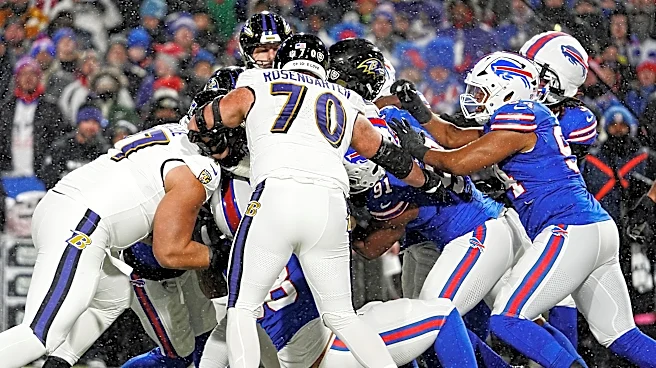
Most importantly, they must tackle. Buffalo lives off explosive plays and turning short throws into long gains. Baltimore must finish. If we're talking about missed tackles after this one, that probably means the Ravens ended this game with a third-and-straight loss. They have practiced fundamentals. Here's where they must put the discussion into action.
This article originally appeared on Ravens Wire: 5 ways Ravens can avoid another defensive collapse against Bills