

Jacoby Brissett threw for 340 yards in his first start for Baltimore, and the Ravens still lost. Sunday’s game against Carolina offers a chance to put more of the offense back in Derrick Henry’s hands and turn the drives Brissett extends into touchdowns.
The Ravens have lost five straight. Carolina gives them an opening on third down and in the red zone, where the Panthers rank 31st in both categories. The matchup is tougher between the 20s when Bryce Young has the ball. Carolina brings the NFL’s eighth-ranked net passing offense into the game. Here are 10 matchups to watch, with figures entering Week 11.
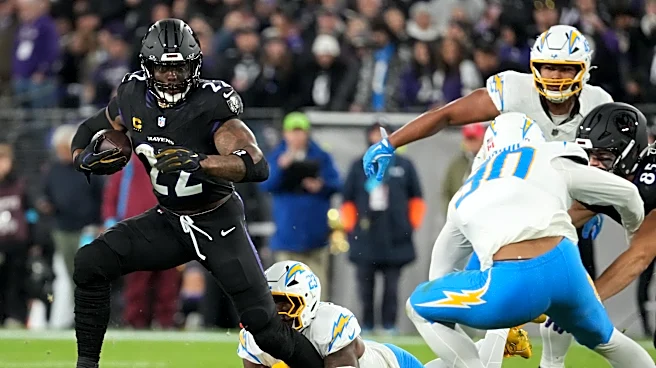
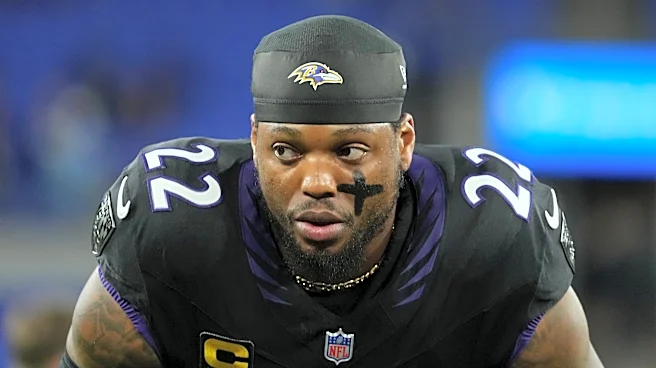
1. Henry against Carolina’s run defense
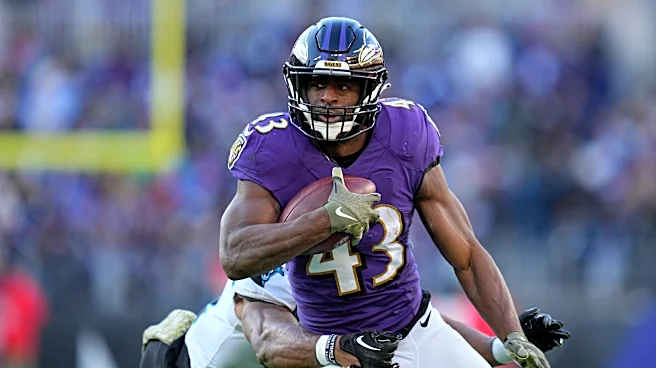
Baltimore averages 125.6 rushing yards per game. Carolina allows 124.0. Henry had 10 carries for 10 yards against the Chargers. Watch his workload
while the score is close, especially whether the Ravens come back to him on second down after a short first-down gain.
2. Young against Baltimore’s pass defense
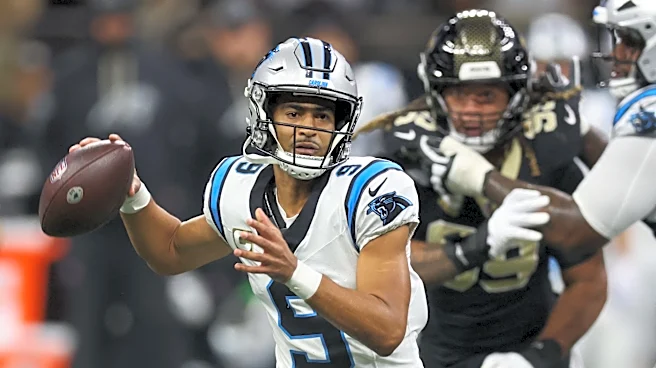
Carolina averages 252.8 net passing yards per game. Baltimore allows 219.5. Track the throws Young gets off before the rush reaches him. If the Panthers can gain useful yardage on quick passes, they can keep Mike Green from getting many chances to finish a rush.
3. Brissett against the No. 8 pass defense
Baltimore averages 202.7 net passing yards per game. Carolina allows 207.2. Brissett attempted 49 passes against the Chargers. Watch whether Zay Flowers can create yards after the catch and Mark Andrews can move the chains over the middle. Both can help Baltimore sustain drives without another game of that volume.
4. Baltimore’s offense on third down
The Ravens convert 38.2% of their third downs. Carolina allows opponents to convert 46.7%. Pay attention to how Baltimore uses Andrews and Flowers when it needs four to six yards. Andrews can settle in a window near the sticks while Flowers can turn a short throw into a first down.
5. Baltimore’s offense inside the 20
The Ravens score touchdowns on 58.1% of their red-zone trips. Carolina allows them on 76.9%. Chart Henry’s touches inside the 10. A productive first-down carry there can give Baltimore the option to run again or use play action with Andrews working behind the linebackers.
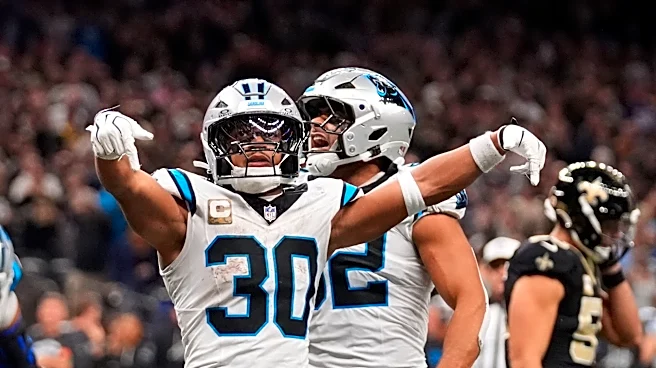
6. Chuba Hubbard against Baltimore’s run defense
Hubbard averages 4.4 yards per carry, and Baltimore allows 105.9 rushing yards per game. Watch whether Hubbard can give Carolina manageable second and third downs. That would let Young keep working through the passing game without having to repeatedly convert from long yardage.
7. Carolina’s offense on third down
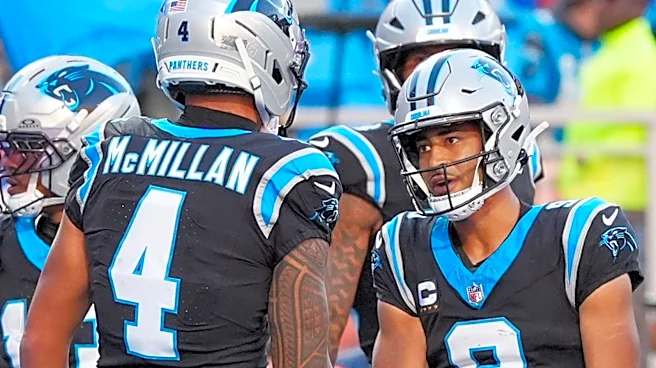
The Panthers convert 36.7% of their third downs. Baltimore allows conversions on 36.6%, 11th in the NFL. Watch for Jalen Coker on intermediate third downs, particularly when the coverage shifts toward Tetairoa McMillan and leaves Young room to throw between defenders.
8. McMillan in the red zone
Carolina scores touchdowns on 65.6% of its red-zone trips. Baltimore allows them on 62.9%. Watch how the Ravens handle McMillan when he’s isolated on one side. Giving the cornerback inside help can take away a throwing lane, but it also leaves one fewer defender to account for a route elsewhere.
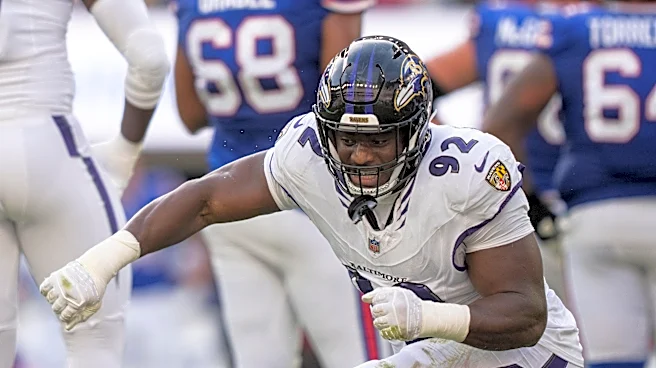
9. Green against Carolina’s tackles
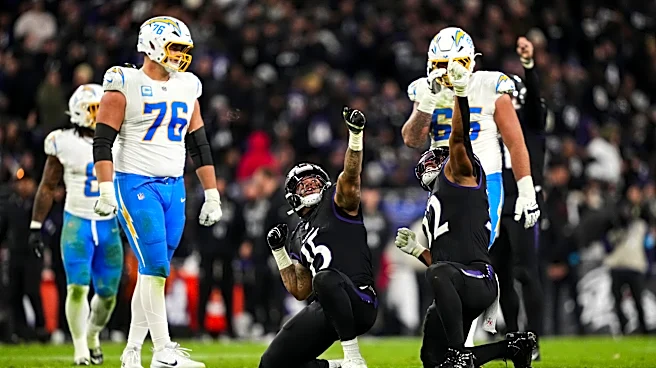
The Panthers have allowed 29 sacks in nine games. Green leads Baltimore with 5.5. Track his snaps against Rasheed Walker and Monroe Freeling, and note which tackle gets help. Carolina’s response can tell you where Baltimore has the better chance of getting pressure without blitzing.
10. The turnover margin
Carolina is plus-1 and Baltimore is minus-4. Linebacker Devin Lloyd has three interceptions. When Brissett looks for Andrews or Flowers over the middle, watch whether Lloyd drops under the route or steps toward the line. His first move can determine whether the throwing window opens or closes.
This article originally appeared on Ravens Wire: Ravens vs. Panthers: 10 statistical matchups to watch