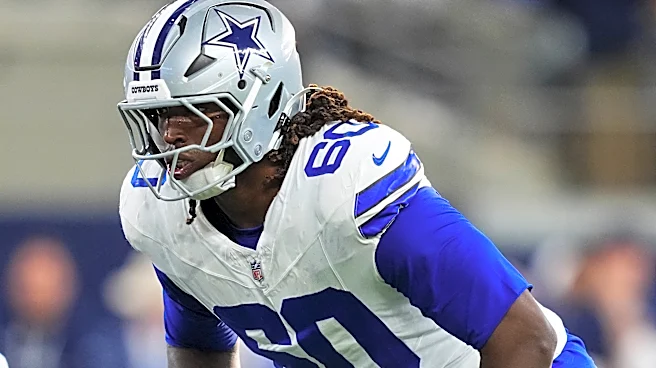


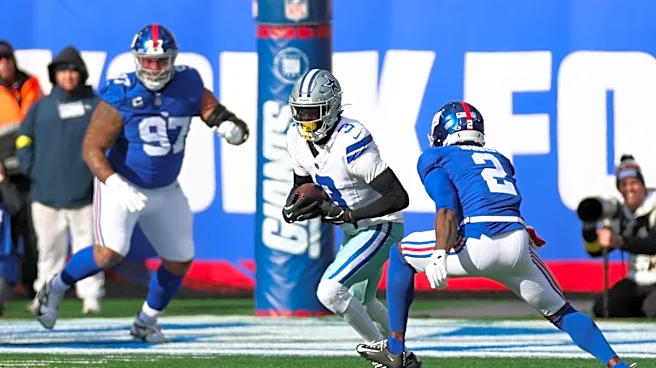
The Dallas Cowboys return an elite offense in 2026. After finishing in the NFL’s top five in scoring, yards, and EPA, they actually might have gotten better over the offseason. Improvement from Tyler Guyton at left tackle and Ryan Flournoy at WR3 could very well push Dallas over the top.
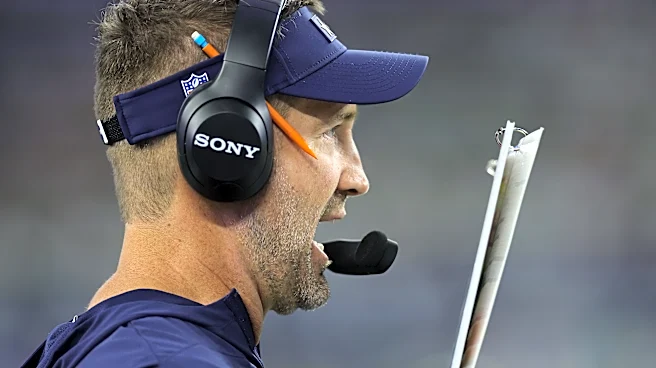
Brian Schottenheimer and Klayton Adams have methodically built the offense to be one of the most balanced in the league. From Javonte Williams on the ground, to CeeDee Lamb and George Pickens through the air, the Cowboys can stress a defense at all three levels. Yet, one facet of their attack remains elusive. One approach lies neglected. One play type stands to take their offense to the next level.
The screen game is an oft-romanticized attack that frustrates
opponents to no end. This calculated rainbow dump pass, typically directed to a running back, absorbs pressure and counterstrikes weaknesses. Much like the rope-a-dope, it uses an opponent’s aggressiveness against them and counters with a maddening degree of restraint and savvy. It’s something the Cowboys stink at.
31st in screen usage in 2025
For being a balanced offense that attacks all levels of the opponent’s defense, the Cowboys sure are averse to the screen pass. At a rate of 6.6%, only the Houston Texans screened less frequently than Dallas last season.
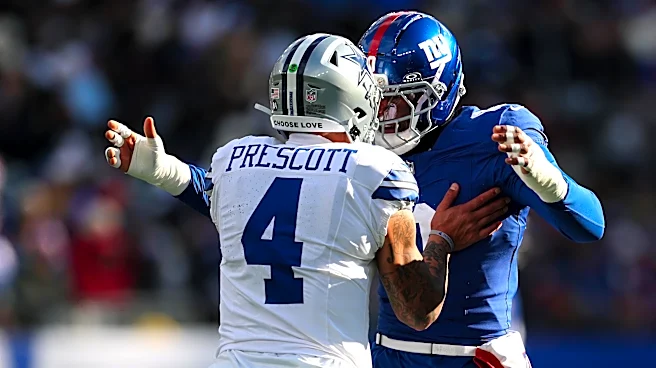
Schottenheimer’s first year as head coach and Adams’ first year as offensive coordinator could be to blame here, since they might have just been intoxicated with all weapons at their disposal. Not many coaches are fortunate enough to stumble into Dak Prescott, Williams, Lamb and Pickens in their first year. So, it’s understandable passive attacks like screens were sacrificed for the glamour of big plays and bruising runs.
Frankly, the data also supports passes downfield since a 2024 study found that +.13 EPA/play was advantaged on non-screen dropbacks over screened dropbacks. It’s not only natural but it’s logical the Cowboys prioritized downfield passing.
Screens stymie pass rushers
But screens offer hidden value outside of traditional EPA scales. Much like the running game, they force defenses to play honestly. They make pass rushers second guess themselves and that buys valuable time for offensive lines struggling with pass protection.
The Cowboys are currently having issues at the right tackle position. Terence Steele, who’s never been a good pass protector, has appeared to regress this year. Edge players were routinely blowing by the vet in training camp causing some to worry about Prescott’s safety in the pocket.
By peppering in screen passes to the right, edge players on Steele’s side won’t be able to rush with reckless abandon but must approach cautiously for fear of getting dinked over the top.
The value of the screen
Based on recent PFF play tracking, screens offer an average of -0.08 EPA/play in the NFL. It’s the exact same return as a designed run and considerably less than non-screen dropbacks that produce +0.05. These numbers alone suggest teams should just be airing it out every play but that comes with obvious predictably problems (see also: keepin ‘em honest).
The value of screens come in their ability to be low-risk, high-reward in nature. Unlike runs which are low-risk, low-reward, or passes, which are comparatively high-risk, high-reward, screens are the best of both worlds. As long the offense has a playmaker who’s good in space and linemen who are effective on the run, the sky is the limit for a well-executed screen pass.
Williams isn’t the most ideal gamebreaker at RB, but he’s a patient runner who has natural feel for following blockers. Someone like KaVontae Turpin, Dallas’ Pro Bowl return man and human joystick, could be used as a dangerous player on a screen play. With an offensive line as good as Dallas’ there are plenty of options in 2026.
Brian Schottenheimer said they wanted to get Javonte Williams involved in the screen game. Here’s a good example. pic.twitter.com/KnOuhJnFBx
— Joseph Hoyt (@JoeJHoyt) July 30, 2026
How many screens do the Cowboys need?
Non-screen dropbacks are clearly superior in their ability to produce big plays given they produce a +1.0 EPA at nearly twice the rate of a screen pass, but screens have a completion rate of roughly 20 percent higher making them more likely to produce positive gains downfield.
The Cowboys still need to be a pass-first offense that utilizes their elite downfield weapons as much as possible but a focused screen game deserves attention because it’s the one thing that’s keeping this offense from being complete
They say if you’re good at it, go with it. In the case of screen passes, the degree of the Cowboys’ “go with it” should be directly related to their ability to be “good at it.” The main issue at hand is trying it enough to give the whole thing a fair shake. In 2025 the Cowboys didn’t give the screen game a fair shake. It’s a safe bet things will change in 2026.
You can follow Reid on X @ReidDHanson and be sure to follow Cowboys Wire on Facebook to join in on the conversation with fellow fans!
This article originally appeared on Cowboys Wire: Cowboys have keys to unlock massive missing element of offense in 2026