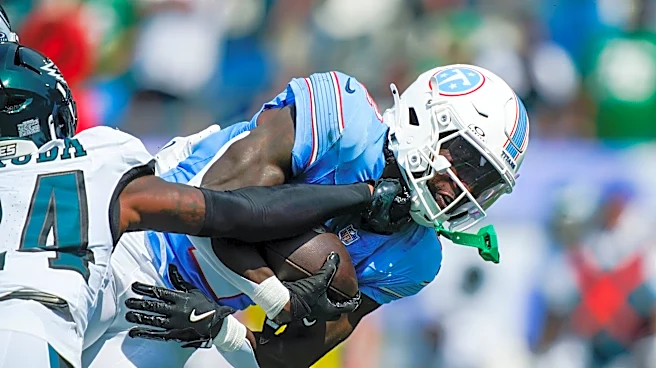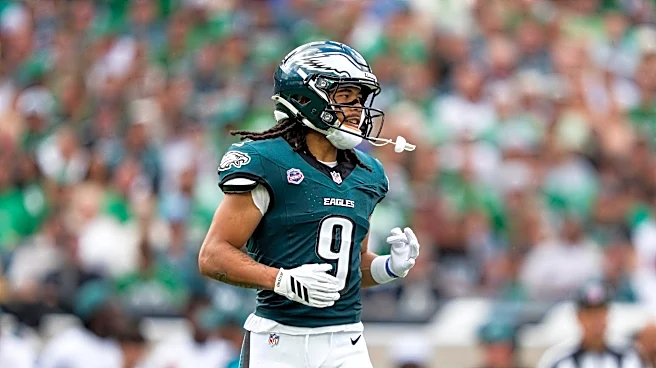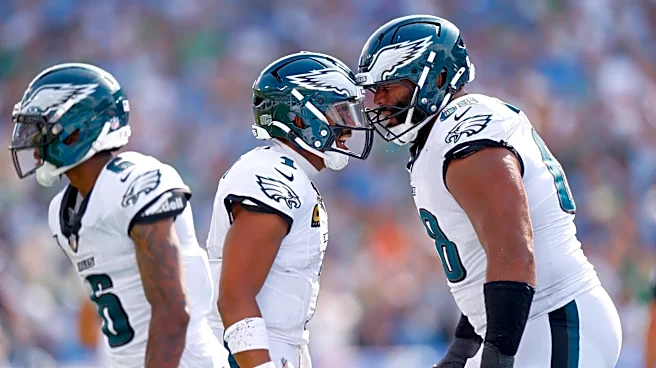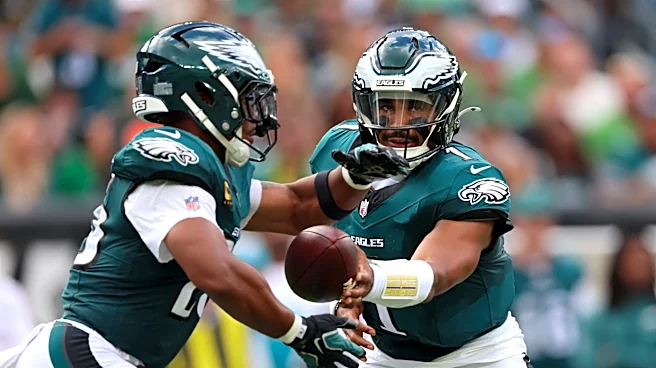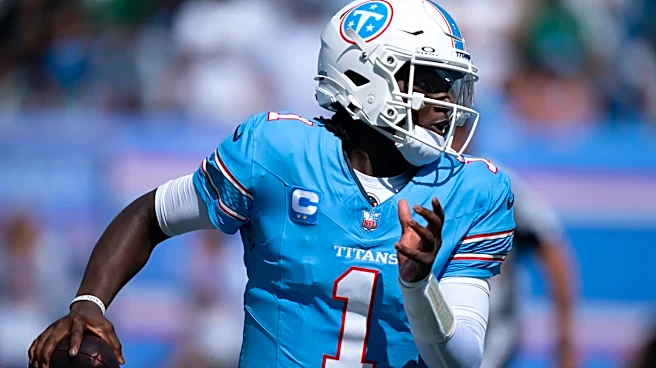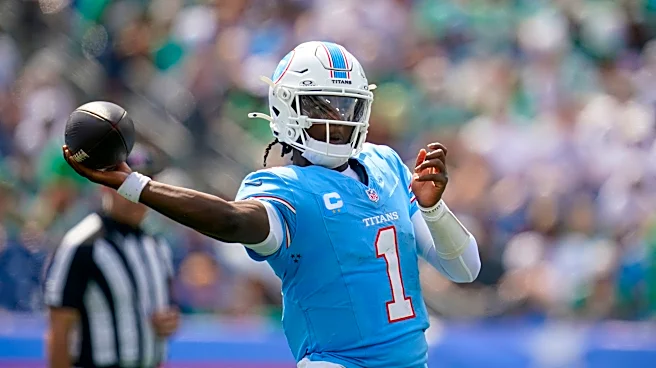



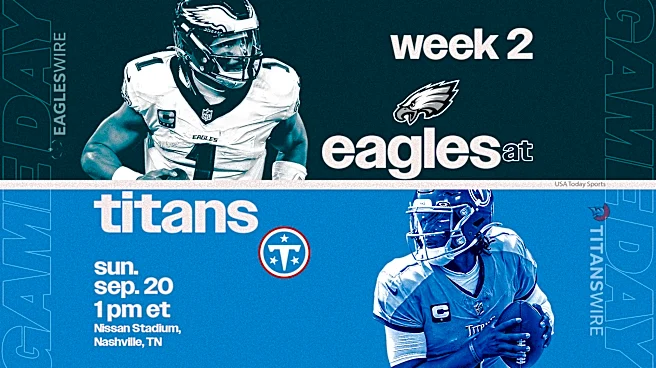
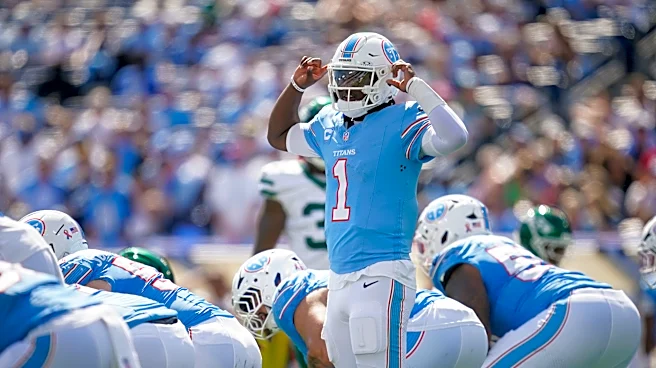
The Tennessee Titans played hard and looked like the team many expected to see in 2026, but in the end, the result was the same: a heartbreaking 24-20 loss to the Philadelphia Eagles in Week 2.
The Titans looked much better here than they did against the New York Jets, and if not for crucial late mistakes and questionable non-calls by the NFL officiating crew, they may have pulled off the upset. While much still needs cleaning up, the game was a step in the right direction for the young Titans franchise.
Here are four things we learned from the heartbreaking loss to the Eagles.
The secondary remains a problem
Playing without Cor’Dale Flott, who missed the game with a quad injury, the Titans’ secondary continued to struggle against the Eagles’ passing attack, especially on critical
downs. Even with an increased pass rush, Jalen Hurts picked apart the Titans' secondary and kept drives alive throughout the game.
Yes, there are a lot of new faces, but the coverage must improve if Tennessee will have any chance moving forward.
The running game matters
After abandoning the run early against the Jets in Week 1, Tennessee stayed the course against the Eagles, and it paid off. The Titans controlled the clock in the second half, and Cam Ward came to life with a solid outing, though it could have been better without some ill-timed drops and uneven line play.
Robert Saleh lives in his fears
Yes, Tennessee almost pulled the upset and was clearly in a position to win, but, too often, the offense became overly conservative throughout the game, and it may have cost Tennessee the win. Twice, the Titans entered the red zone, completely shut down the playbook, and kicked a field goal instead of trying to hit paydirt.
While this is somewhat understandable with a young offense that is still coming into its own, the Titans have nothing to lose and should play to win. Quarterback Cam Ward had a solid outing, and if he is the future, he should be trusted to make a play when they need it. Taking the ball out of his hands with predictable runs does nothing for development.
This again wasn't fast and violent; it was an exercise in fear and futility.
NFL officiating is in midseason form
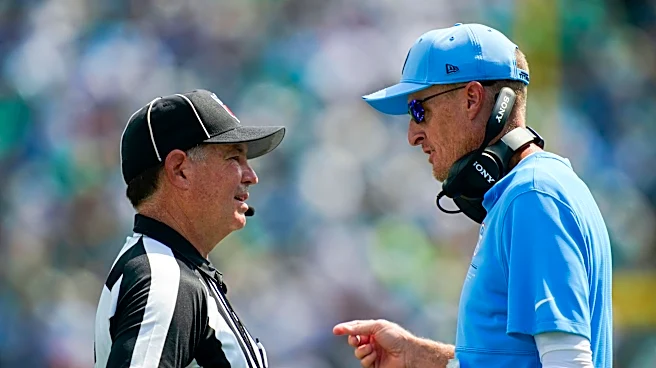
For a second week in a row, the officials weighed in on critical plays and made questionable calls that benefited the Titans’ opponents, and both times, they have had a dramatic impact on the outcome. In Week 1, it was the apparent forced fumble by Anthony Hill Jr., and this week it was the non-call on the potential intentional grounding just before the Eagles' go-ahead touchdown.
Yes, that was a single play in this matchup, but there were more non-calls or non-reviews that clearly went against the Titans, even though they were blatantly obvious to everyone watching.
Don’t take this the wrong way; Tennessee could have played better and not been in this type of situation, but if you watch the NFL, and not just the Titans, you will see an increasing number of questionable penalties and non-calls that have a direct impact on the outcomes every week.
This isn’t just a problem facing Tennessee; it is a league-wide issue that must be addressed.
This article originally appeared on Titans Wire: What we learned from Tennessee Titans' 24-20 loss to Philadelphia Eagles