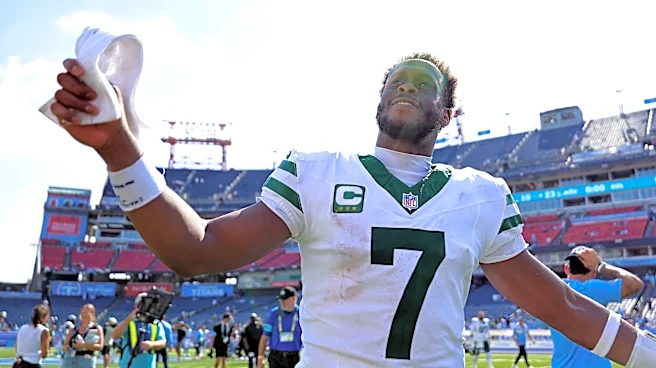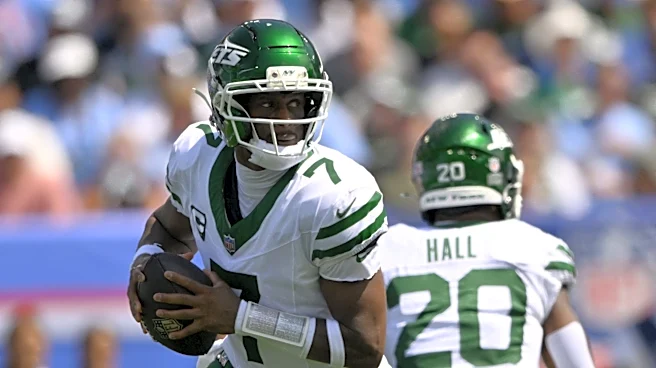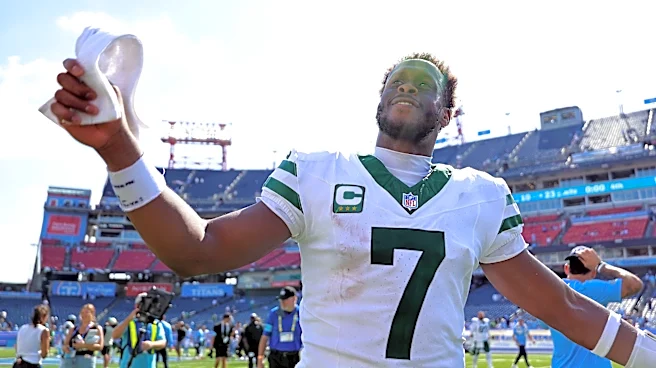


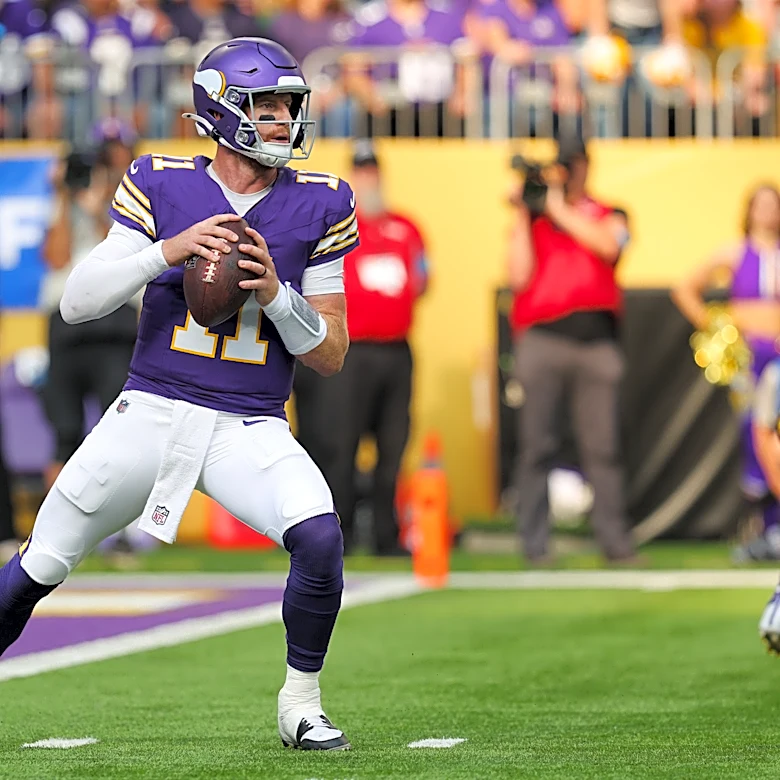


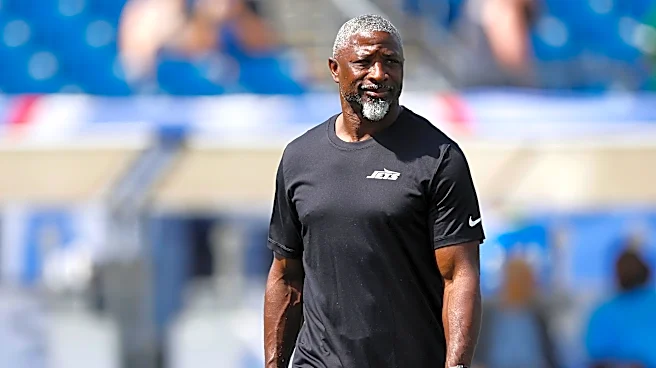
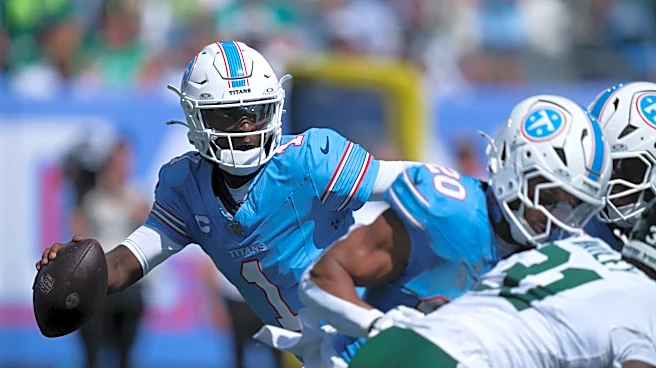
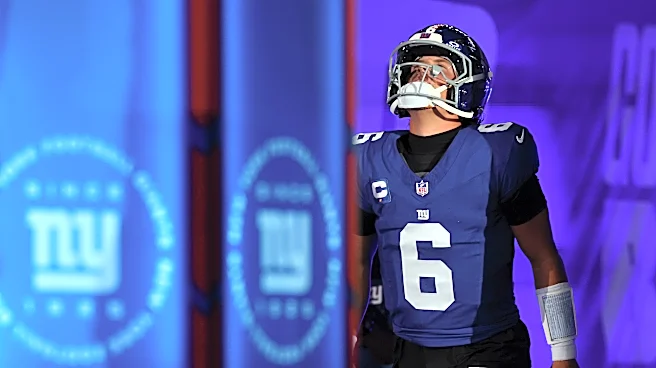
The New York Jets couldn't have asked for a much better start to the 2026 NFL season and the second year of the Aaron Glenn era. They traveled to Nashville, handled the Tennessee Titans, and opened the season with a victory.
There were encouraging signs on both sides of the football, particularly from a coaching staff that was tasked with changing the identity of a team that finished 3-14 last season.
Still, Week 1 only tells us so much. The Titans are also trying to find their footing, and some of what worked Sunday may look different against stronger competition.
With that, here are Jets Wire's five things we learned from the Jets' season-opening victory.
Frank Reich is going to be a revelation
There was a lot to like about Frank Reich's first game calling the Jets' offense. The play-calling
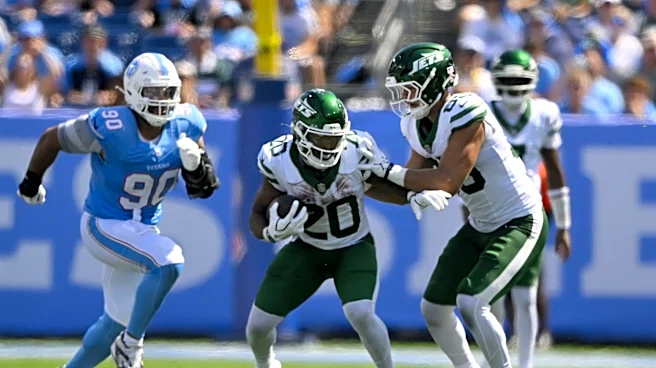
was creative, the offense found ways to get its playmakers involved, and Reich consistently appeared to have answers when Tennessee attempted to take something away. For a team that has lacked offensive consistency for far too long, the difference was noticeable.
But there's something else worth saying: Reich may be exactly the kind of stabilizing presence this offense needed. He isn't being asked to reinvent football. He's being asked to put his players in favorable situations, establish a rhythm and make life easier for Geno Smith. Based on Week 1, he appears capable of doing all three.
One game isn't enough to call Reich a revelation, but the early returns are difficult to ignore.
More calibration is needed for the Jets offense
As good as Reich looked, the offense wasn't perfect. There were stretches when the Jets struggled to sustain momentum, and some of the execution left room for improvement. Perhaps that's simply a product of Week 1. New players were working together in a new system, and regular-season football brings a different level of preparation than the preseason.
There's also another possibility that shouldn't be ignored. Maybe Tennessee simply isn't good enough defensively to expose some of those issues. The Jets will get a much better idea of where the offense stands as the schedule gets tougher. For now, there were enough positive signs to feel encouraged, but not enough evidence to assume all of the problems have been solved.
This team can't short-circuit itself with penalties
This one should frustrate the Jets. New York had scores wiped away by penalties, turning what could have been an even more comfortable afternoon into a reminder that self-inflicted mistakes remain dangerous. That's especially problematic for a team trying to build a winning identity.
A penalty doesn't care how talented the roster is or how good the play design was. It simply erases the result. The Jets got away with it against Tennessee. They may not get the same luxury against better opponents.
Aaron Glenn's defense is definitely better
The defensive side of the football looked different in Week 1, and that's an important development for Glenn. The Jets played with energy, communicated well, and made life difficult for Tennessee throughout the afternoon. Glenn's decision to call the defensive plays himself was one of the major questions entering the season, and the early returns were encouraging.
But again, the same question has to be asked: How much of that performance was because the Jets played the Titans? Tennessee is trying to develop a young offense around Cam Ward, and Sunday provided an ideal situation for New York's defense to make an impression. The real test will come when the Jets face quarterbacks and offenses capable of punishing every mistake. Still, good defenses are supposed to take advantage of favorable matchups. The Jets did exactly that.
Geno Smith, if protected, can certainly be serviceable
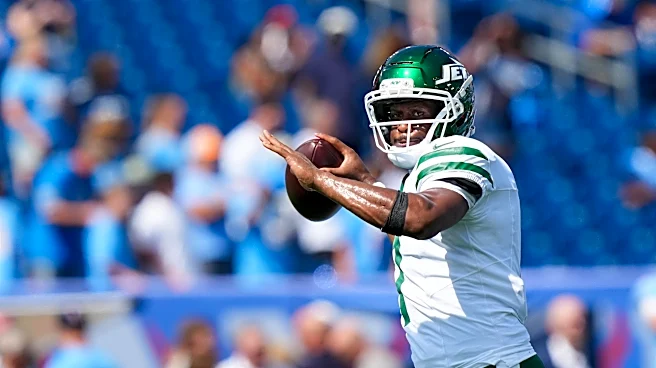
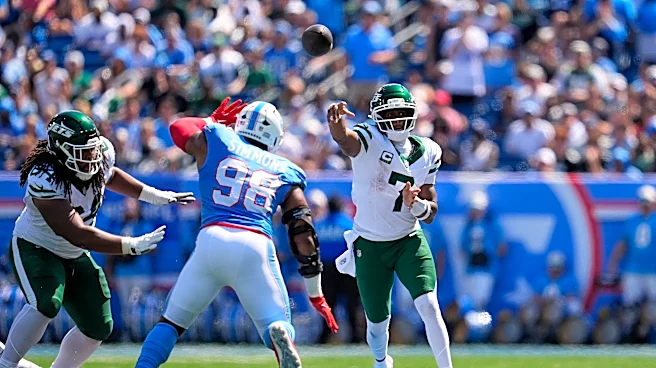
Geno Smith didn't need to put together a spectacular statistical performance to prove he can function in this offense. He completed 19 of 24 passes for a 79.2% completion rate. He finished without a touchdown or interception and posted a 104.0 passer rating and 84.7 QBR. The most important part may have been what he didn't do.
Smith didn't force the football. He avoided costly mistakes and operated efficiently enough to allow the rest of the offense to contribute. That's exactly what the Jets need from their quarterback. The key is protection.
When Smith has time to operate, he has enough experience and ability to distribute the football and keep an offense on schedule. He doesn't need to carry the Jets every Sunday. He needs the pieces around him to function well enough that he can simply be himself. Week 1 suggests that formula can work. The bigger question is whether the Jets can maintain it when the opponent across from them is considerably better.
This article originally appeared on Jets Wire: What we learned from the Jets' Week 1 win over the Titans