



There's no mystery about where the New York Jets must improve in 2026.
Head coach Aaron Glenn doesn't have to spend training camp searching for weaknesses. The numbers from 2025 paint a clear picture. After finishing 3-14, the Jets ranked near the bottom of the league in virtually every major defensive category.
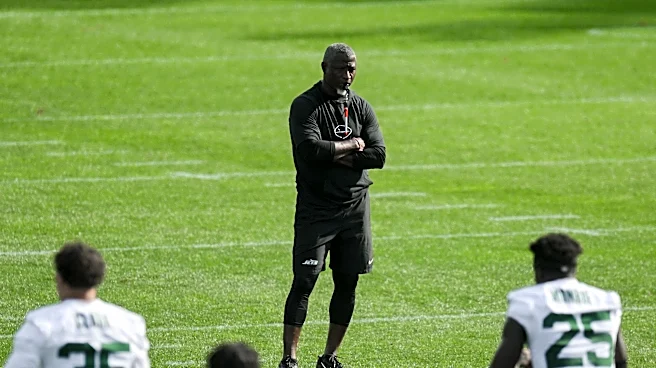
That places enormous pressure on a rebuilt coaching staff to engineer a turnaround, and Glenn announced he will spearhead the approach going forward. The good news is that New York spent the offseason addressing those concerns with additions across every level of the defense. The challenge now is turning those investments into results.
With that, here are Jets Wire's five trends on defense Glenn must improve on in 2026:
The Jets have to keep opponents off the scoreboard
Only one team gave
up more than 30 points per game (the Dallas Cowboys). The Jets were close to joining them as the second. They gave up an average of 29.6. That illustrates just how frequently opposing offenses found success against them.
Improving that figure won't come down to one player or one position. It will require better execution, fewer explosive plays, stronger situational defense and more consistency from a unit expected to feature several new starters.
Limiting yards must become a Jets priority
The Jets also struggled to get off the field. Opponents averaged 355.6 yards per game, ranking New York 25th in total defense. Whether through the air or on the ground, offenses routinely sustained drives and controlled possession.
A healthier defense, improved communication and better complementary football could all contribute to lowering those totals. Still, Duker's group must become more disruptive if it hopes to reverse that trend.
Takeaways have to return to the Jets' blueprint
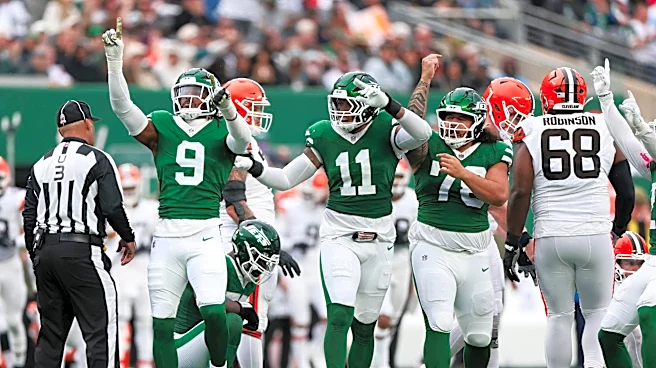
Perhaps no statistic better summarizes the Jets' defensive frustrations than their inability to create turnovers. New York forced only four takeaways all season and famously failed to record a single interception. That's an almost unimaginable combination in today's NFL, where takeaways often determine close games.
The Jets emphasized ball-hawking defenders throughout the offseason, but philosophy alone won't change the numbers. Generating more pressure, contesting throws and capitalizing on opportunities when the football is in the air must become points of emphasis throughout training camp.
The secondary has to make quarterbacks uncomfortable
The passing defense also has significant room for improvement. Opposing quarterbacks posted a 110.9 passer rating against New York while throwing an NFL-high 36 touchdown passes.
Those numbers reflect breakdowns that extended beyond the cornerback position, affecting coverage, communication and the pass rush alike. The Jets have reshaped their secondary in hopes of producing tighter coverage, but success will ultimately depend on every level of the defense working together.
The Jets' pass rush needs to finish the job
Pressure changes everything. New York finished with just 26 sacks in 2025, averaging fewer than two per game. Without consistent pressure, opposing quarterbacks had ample time to attack the secondary, contributing to many of the struggles the defense experienced throughout the season.
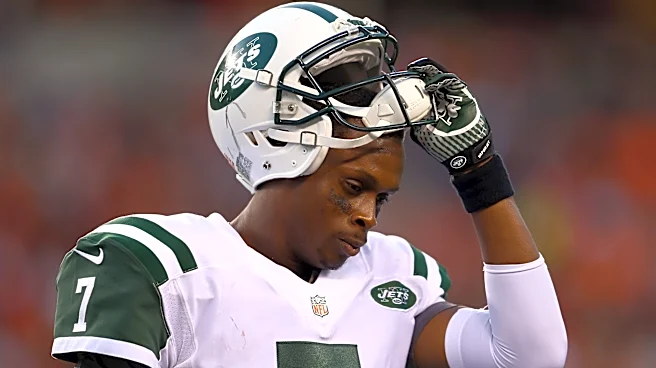
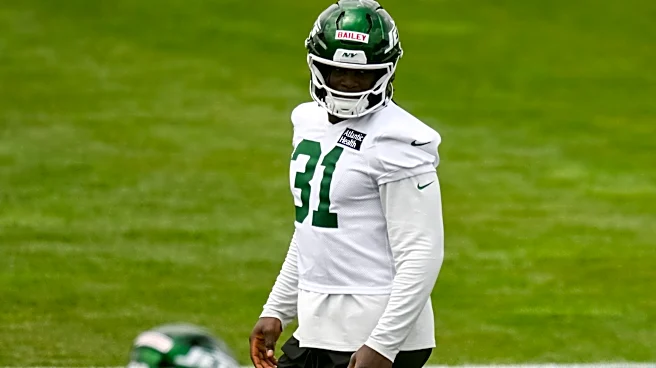
The additions of rookie David Bailey and other reinforcements should help, but Glenn's defense doesn't simply need more sacks. It needs pressures that force hurried decisions, tipped passes and turnovers that give quarterback Geno Smith and the offense shorter fields.
The Jets invested heavily in rebuilding their defense this offseason, but personnel alone won't erase last year's struggles. Brian Duker's task is transforming one of the league's least productive defenses into a unit capable of complementing the offense, creating takeaways and keeping games within reach. If New York accomplishes those goals, the improvement in the standings should follow naturally.
This article originally appeared on Jets Wire: 5 trends on defense Jets' Aaron Glenn must improve in 2026