

Adding talent is the easy part. Building a productive offense is considerably more difficult.
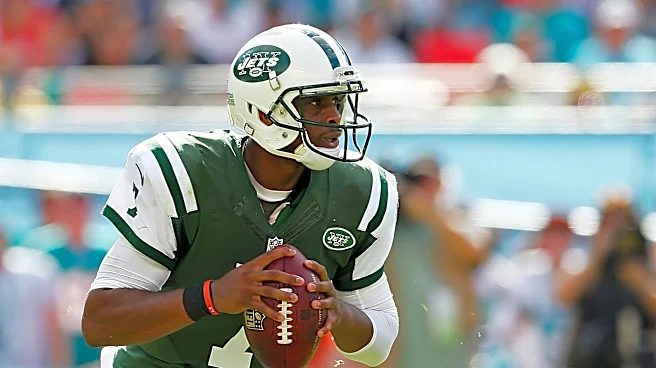
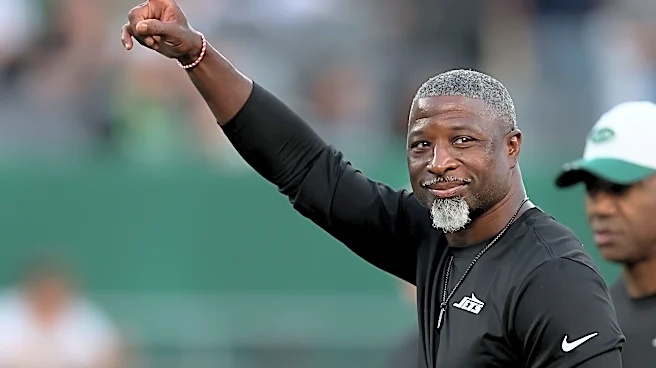
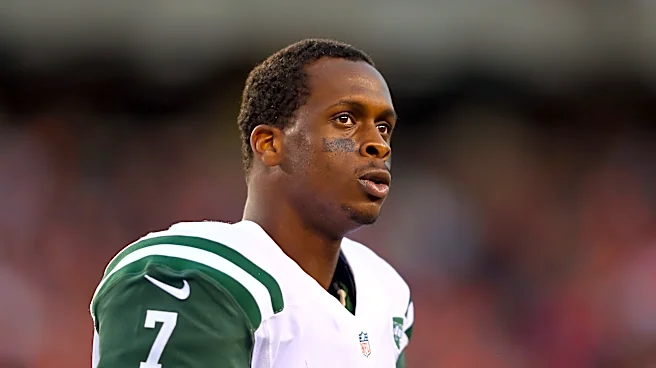
The New York Jets spent the offseason reshaping their offensive identity, bringing back veteran quarterback Geno Smith, hiring Frank Reich to coordinate the offense and surrounding both with an influx of new playmakers.
On paper, the roster appears much improved from the unit that struggled through a 3-14 campaign in 2025. Training camp, however, isn't about collecting talent. It's about making those pieces fit together before the regular season begins.
Quarterbacks often determine how quickly an offense comes together. Smith returns to the Jets with years of NFL experience, but experience alone doesn't create timing.
Building chemistry with receivers requires
hundreds of practice repetitions, an understanding of tendencies and trust that develops over time. That process begins immediately in training camp.
Frank Reich's system must become second nature
Learning a new offense goes far beyond memorizing a playbook. Reich's system introduces new terminology, different route concepts, altered protections and fresh responsibilities for virtually every offensive player.
The installation period during training camp will challenge veterans and rookies alike as they work to execute the offense without hesitation. The faster the Jets play instead of think, the sooner Reich's offense can operate the way it was designed.
Rookie Jets playmakers face a steep learning curve
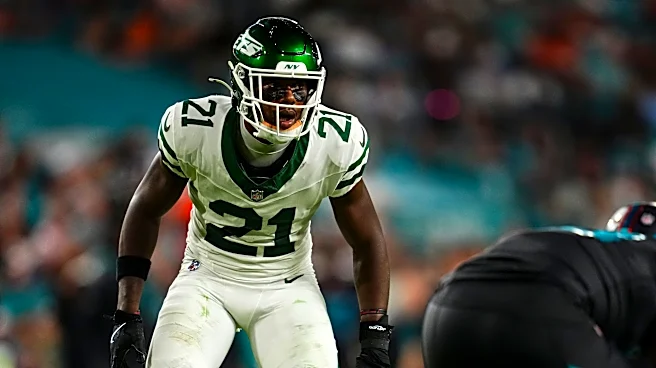
Young talent often generates excitement, but NFL development rarely happens overnight. The Jets invested heavily in upgrading their pass-catching group, adding Kenyon Sadiq and Omar Cooper, giving Reich additional weapons to work with.
Even the most talented rookies, however, must adjust to the speed of professional defenses, more complex coverages and the physical demands of a 17-game season. Training camp provides the first real opportunity to determine how quickly those newcomers can earn meaningful roles within the offense.
The Jets' offensive line must develop continuity
Skill-position talent often receives the headlines, but offensive success usually begins up front. Communication along the offensive line becomes even more important when installing a new scheme.
Pass protections, run-blocking assignments and blitz recognition all require five linemen to operate with precision. The more continuity the Jets develop in the trenches during camp, the easier it becomes for Smith, the running game and the passing attack to find consistency.
The Jets' progress won't be measured only by statistics
The Jets undoubtedly want better offensive numbers in 2026. Just as important, however, is building an identity. Can the offense sustain drives? Can it avoid costly mistakes? Can it consistently execute in critical situations? Those questions often reveal more during training camp than touchdowns or highlight-reel plays.
If Reich can establish those habits early, the statistical improvement should follow. The Jets didn't simply add new players this offseason. They introduced a new quarterback, a new offensive coordinator, fresh receiving talent and an offensive philosophy designed to move the franchise forward.
Those changes create optimism, but they also require patience. Frank Reich's offense has the pieces to improve significantly in 2026. Training camp will determine how quickly those individual additions become one cohesive unit.
This article originally appeared on Jets Wire: Frank Reich's Jets offense has several new key pieces to integrate