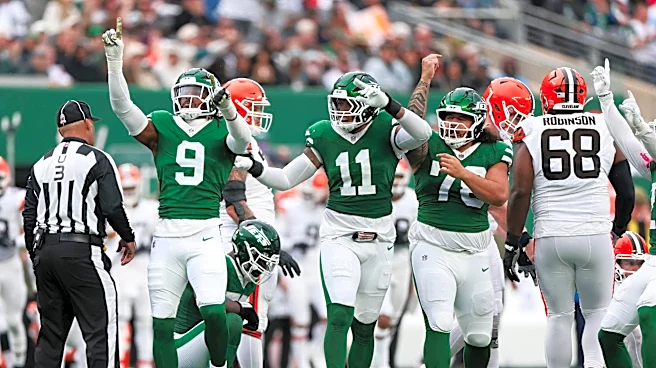




On paper, the New York Jets are a much different football team than the one that stumbled to a 3-14 record during the 2025 NFL season.
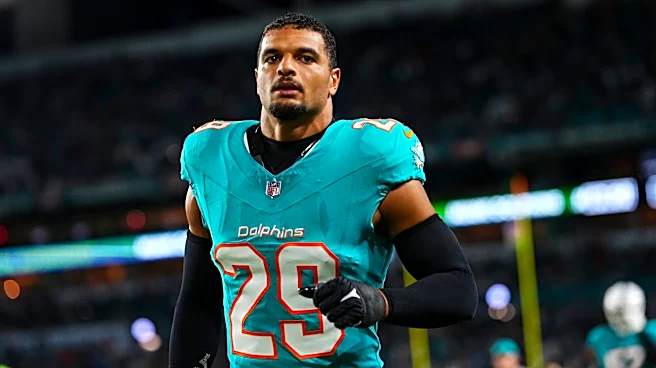
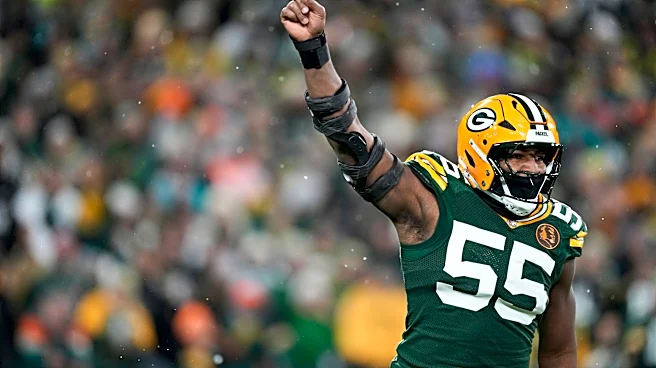
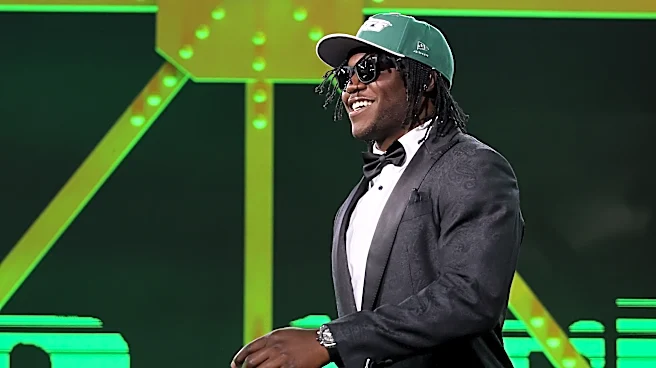
General manager Darren Mougey spent the offseason reshaping the defense, adding veterans like Minkah Fitzpatrick, David Onyemata and Demario Daviswhile using premium draft capital on edge rusher David Bailey.
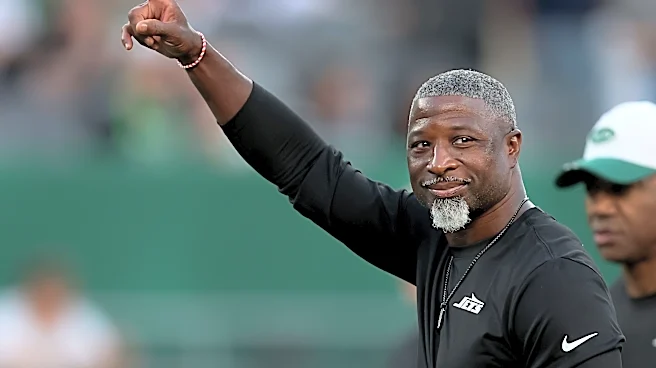
Head coach Aaron Glenn brought in defensive coordinator Brian Duker to help him grow the unit. The challenge now is turning that talent into a defense that plays as one.
With that, here are Jets Wire's four reasons why Glenn's rebuild on defense needs time:
Rebuilding the Jets' defensive front is the first step
Bailey was drafted to become an impact edge rusher. Onyemata brings experience and physicality inside, while returning contributors like Will McDonald, Joseph
Ossai and Jowon Briggs provide a foundation that already showed flashes of promise.
The individual pieces appear stronger than they did a year ago. Now comes the difficult part: developing chemistry, establishing defined roles and creating a pass rush capable of affecting games consistently.
New Jets faces must learn to play together
Building a defense isn't as simple as collecting talented players. Communication, trust and familiarity often determine whether a unit reaches its potential.
The Jets have introduced new players at every level of the defense. Bailey joins an edge rotation that already includes McDonald and Ossai. Fitzpatrick becomes the new leader in the secondary. Veterans like Davis and Onyemata must quickly establish themselves within Glenn's defensive culture.
Each addition improves the roster individually. Collectively, they'll need time to learn one another's tendencies before the defense reaches its ceiling.
Turnovers often begin with pressure
One statistic illustrates why the defensive line matters so much. The Jets finished 2025 with just four takeaways and failed to record an interception all season. While defensive backs ultimately secure turnovers, they often happen because quarterbacks are forced into hurried decisions by relentless pressure.
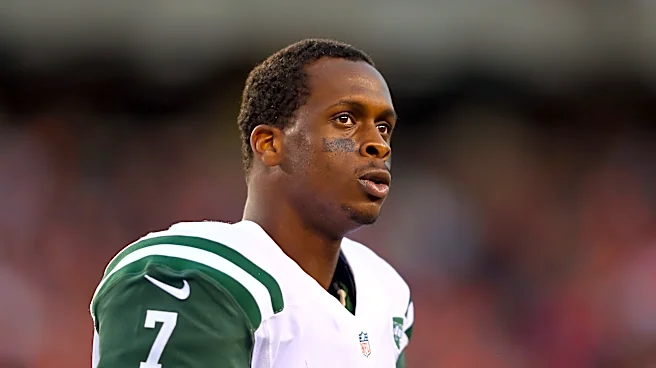
That's why the pass rush could become the catalyst for improving several areas at once. More pressure can lead to more errant throws. More errant throws create more interception opportunities. More takeaways shorten the field for the offense and reduce the burden on Geno Smith. Everything works together.
Patience could be part of the process
The Jets expect to improve in 2026, but expecting immediate perfection may be unrealistic. New coaching philosophies, new personnel and new responsibilities require repetition before they become second nature.
Training camp and the preseason will provide the first opportunity for Duker's defense to begin developing that chemistry, but meaningful growth often continues well into the regular season. That doesn't mean the rebuild is behind schedule. It means the foundation is still being laid.
The Jets addressed many of their biggest defensive weaknesses this offseason, but roster moves alone don't produce elite defenses. Aaron Glenn and Brian Duker have assembled a group with considerably more talent than the one they inherited. The next challenge is molding those individual pieces into a unit that pressures quarterbacks, creates takeaways and consistently complements the offense. That process has already begun, but it's far from complete.
This article originally appeared on Jets Wire: Aaron Glenn's rebuilt defense won't come together overnight