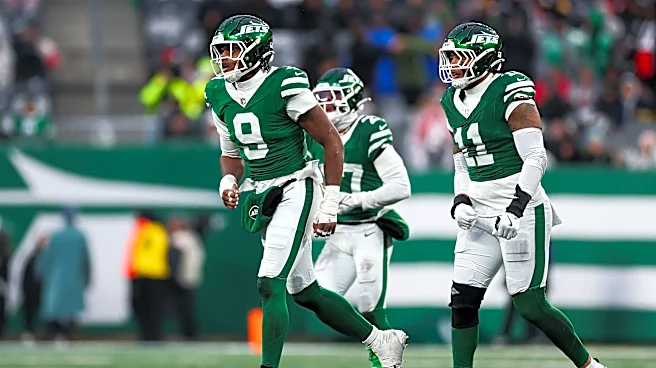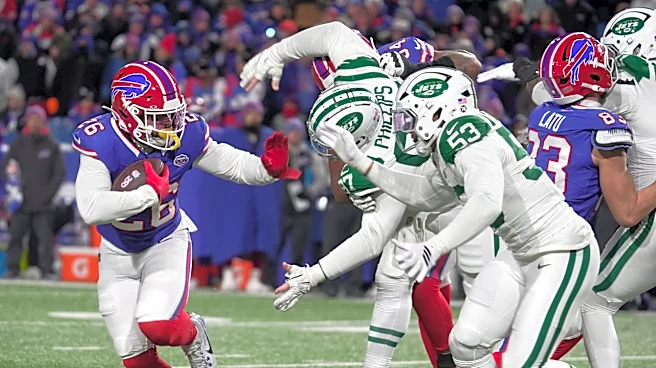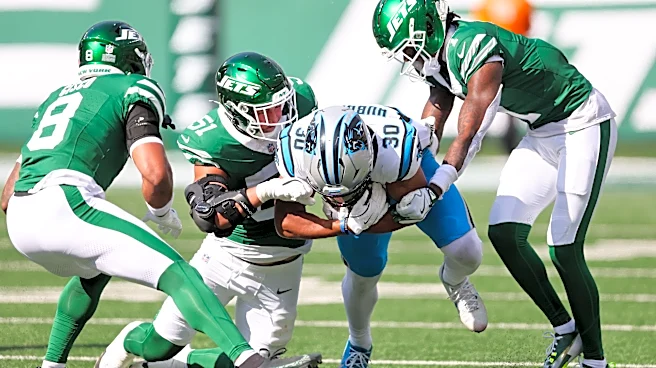


The New York Jetsdon't need to search long for their biggest defensive priorities entering 2026. The defense needs to pressure quarterbacks and force turnovers.
Those two areas often go hand in hand, and they represent the biggest opportunity for improvement after a 3-14 campaign in which New York struggled to disrupt opposing offenses.
The Jets finished with just 26 sacks and forced only four takeaways all season. That latter tally includes an astonishing zero interceptions. If those numbers don't improve, neither will the defense.
The Jets have invested heavily in their retool, and they've done so with the intent of getting stingier.
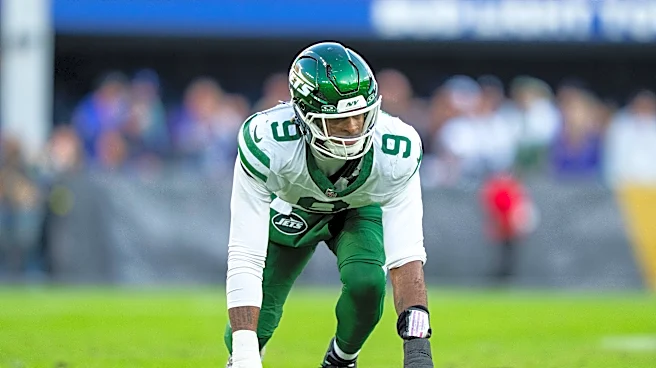
A rebuild of the front-seven was a clear Jets goal this season. Will McDonald returns after posting at least eight
sacks in each of the past two seasons, including a 10.5-sack breakout in 2024.
New York has exercised the fifth-year option on his rookie deal, but they are expected to remain patient with an extension. Joseph Ossai has quietly produced five or more sacks in consecutive years, while Jowon Briggs emerged as an interior disruptor with four sacks in 2025.
The addition of first-round pick David Bailey gives New York another explosive pass rusher capable of affecting quarterbacks from Day 1. The talent is there. Now the production has to follow.
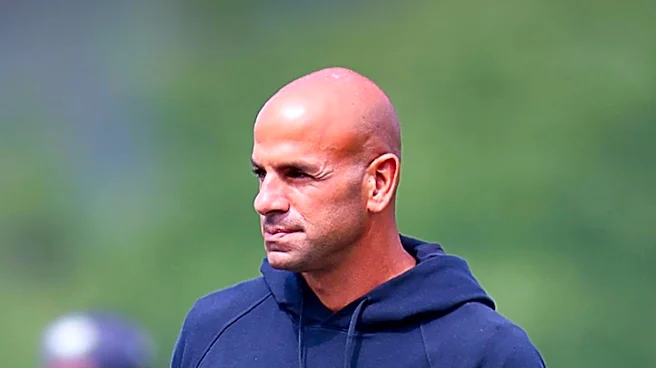
The Jets' takeaway problems weren't solely the fault of the secondary. Quarterbacks who consistently throw from clean pockets rarely make costly mistakes. That's why improving the pass rush could have a ripple effect throughout head coach Aaron Glenn's defense.
More pressures lead to hurried throws. Hurried throws create opportunities for interceptions. Even strip sacks begin with defenders winning at the line of scrimmage.
The Jets don't need those two statistics to improve independently. They need them to improve together.
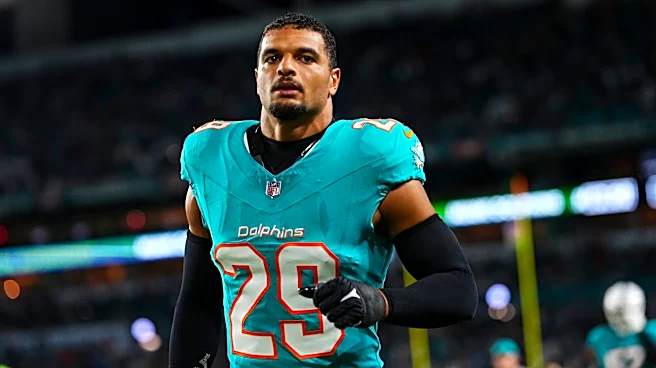
But the defensive backfield also looks considerably different than it did a year ago. Minkah Fitzpatrick gives the Jets a proven ballhawk at safety, while an open competition at cornerback should produce a group hungry to earn playing time. Second-round rookie D'Angelo Ponds could create an immediate impact.
Better communication and improved coverage can buy the pass rush extra time, creating another example of complementary defense. When every level of the defense works together, takeaways become far more likely.
The numbers must match the offseason investment
General manager Darren Mougey spent the offseason addressing nearly every level of the defense. Aaron Glenn and Brian Duker now have more talent to work with than the coaching staff inherited. Expectations naturally rise with those additions. Training camp will reveal how quickly the defense comes together, but results will ultimately measure the regular season.
The Jets don't have to lead the NFL in sacks or turnovers to become a playoff contender. They simply have to become disruptive again. If New York can consistently pressure quarterbacks and finally start taking the football away, many of last season's defensive shortcomings should begin to disappear.
This article originally appeared on Jets Wire: How the Jets defense can create turnovers and sacks in 2026