




For much of the past decade, the New York Jets operated with a familiar sense of urgency. Every offseason seemed to feature another move designed to accelerate the rebuild.
A high-profile free agent... A blockbuster trade... A veteran expected to solve a lingering problem overnight... The philosophy often centered on finding the missing piece that would finally push the franchise into contention.
Sometimes those moves generated optimism. Too often, they failed to produce lasting results. Now, however, the Jets appear to be taking a different approach, one that prioritizes patience, player development and sustainable roster building over short-term fixes.
A younger Jets foundation is beginning to emerge
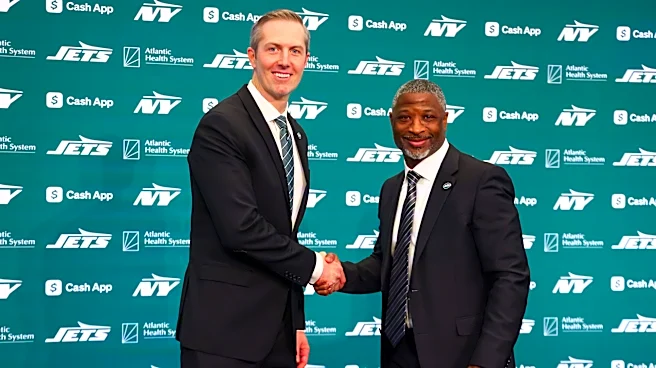
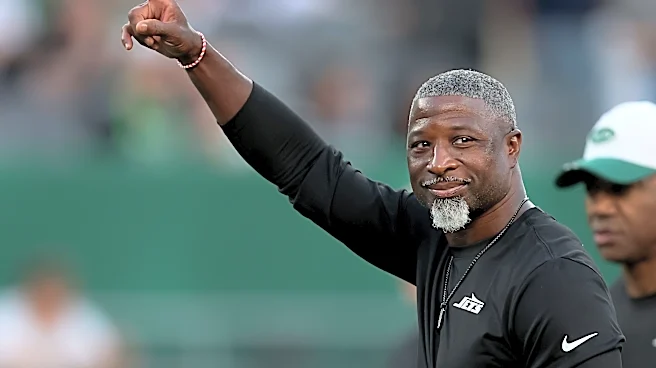
Aaron Glenn inherited a roster with talent, but also one that needed a clearer long-term direction.
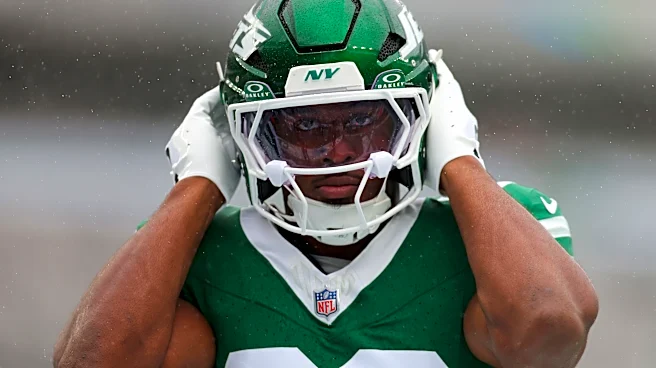
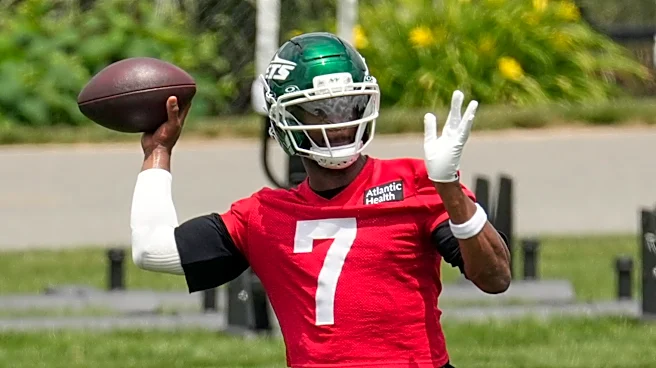
Rather than relying on aging veterans to carry the franchise, the Jets have assembled one of the NFL's more intriguing young cores.
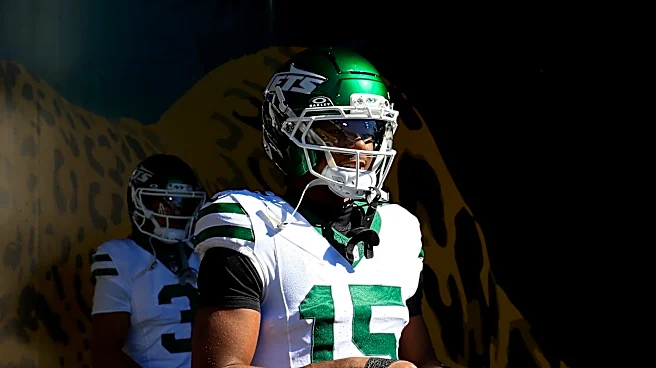
Garrett Wilson has already established himself as one of the league's top receivers. First-round pick Omar Cooper Jr. and Kenyon Sadiq, bring additional offensive firepower, while last year's addition, Adonai Mitchell, enters the season with an opportunity to become a dependable complement to Wilson after flashing promise in 2025.
The commitment to youth extends beyond the skill positions. Joe Tippmann has developed into a foundational piece along the offensive line, while Olu Fashanu and Armand Membou give the Jets two young tackles they hope will anchor the unit for years.
On defense, rookie edge rusher David Bailey represents another investment in the future rather than another temporary solution. These aren't isolated moves. They're pieces of a broader vision.
The Jets' front office is thinking beyond this season
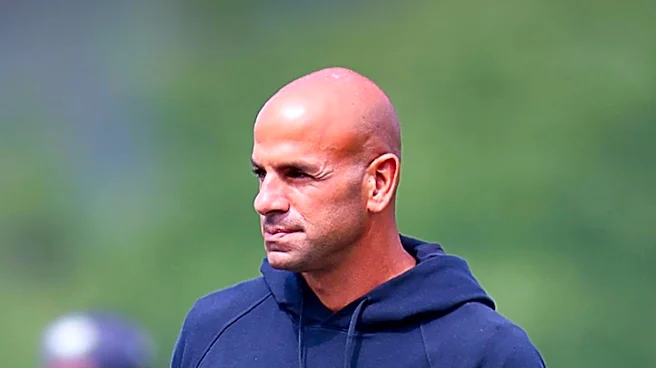
General manager Darren Mougey has consistently shown that he's willing to build with the future in mind. That philosophy has been evident in the organization's willingness to accumulate premium draft capital, including three first-round selections in the 2027 NFL Draft. Rather than sacrificing tomorrow to improve today, the Jets have positioned themselves to remain aggressive for years to come.
The front office has also focused on retaining players it believes can be part of that future, rewarding contributors like Breece Hall and Joe Tippmann with contract extensions instead of allowing key building blocks to approach uncertain futures. Those decisions reflect an organization that's trying to create continuity instead of constantly starting over.
Patience may be the Jets' greatest strength
Building through youth isn't always glamorous. Young players make mistakes. Development isn't always linear, and immediate success is never guaranteed. There will undoubtedly be growing pains as Glenn establishes his culture and the roster continues to mature, but there's also significant upside.
Instead of asking veterans nearing the end of their careers to rescue the franchise, the Jets are placing their confidence in players who can grow together. That creates an opportunity to build chemistry, continuity and stability—qualities that successful organizations rarely sacrifice in pursuit of quick fixes.
For years, the Jets often approached each offseason as though one more acquisition could solve their biggest problems. This regime appears to understand that sustained success is rarely built that way.
The wins and losses will ultimately determine whether this new approach succeeds, but the philosophy itself already feels different. Aaron Glenn's Jets aren't chasing headlines or searching for overnight solutions. They're investing in a foundation they believe can support long-term success, and for a franchise that has spent years looking for the next quick fix, that may be the most encouraging development of all.
This article originally appeared on Jets Wire: Aaron Glenn's Jets have thankfully stopped chasing quick fixes