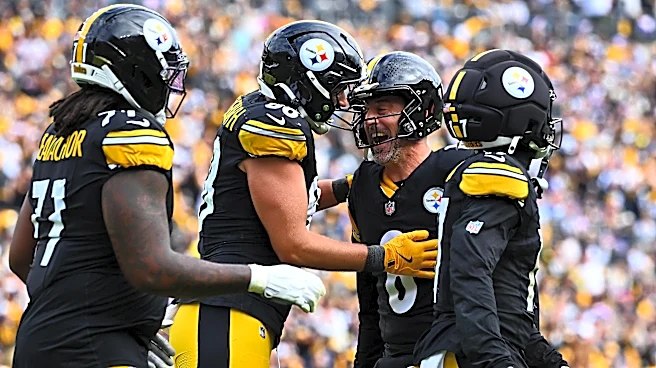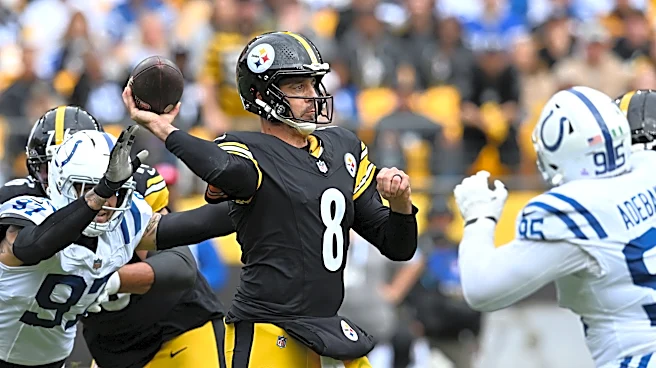




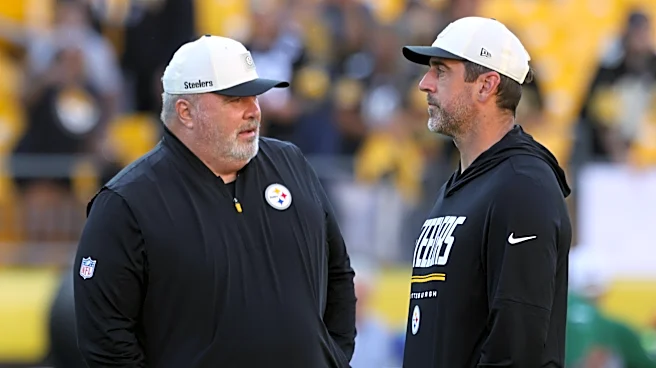

When Aaron Rodgers strung together three consecutive games with three passing touchdowns, a feat no Pittsburgh Steelers quarterback had accomplished since Terry Bradshaw, it signaled more than just a hot streak. It revealed an offense finally embracing its true identity.
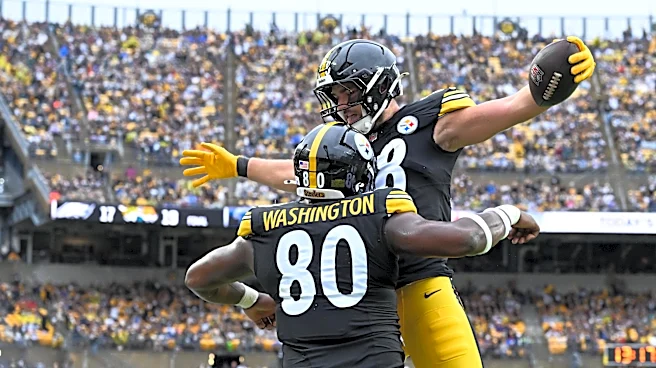
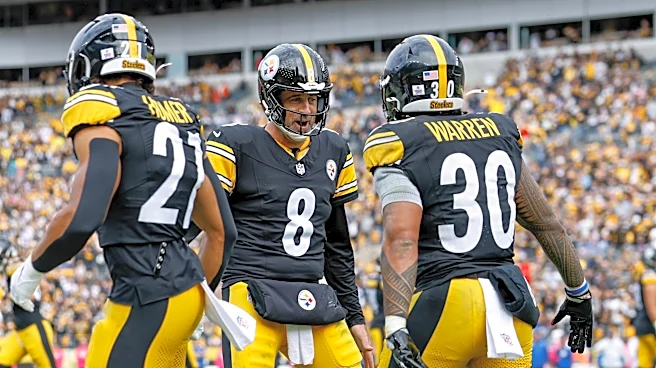
Rather than trying to force spread concepts, the Steelers unlocked Rodgers by shifting away from standard 11 personnel (three wide receivers) in favor of heavy 12 and 13 personnel packages. By keeping multiple tight ends on the field alongside running back Jaylen Warren, Pittsburgh created a balanced attack that forces opposing defenses to cover the entire field.
As host Chris Carter stressed on “Locked on Steelers,” this personnel shift presents an impossible conflict for defensive
coordinators.
"Get their tight ends out there and have this balanced attack where you got to worry about DK Metcalf, Pat Freiermuth, Darnell Washington, and Jaylen Warren," Carter explained. "You worry about those guys at the same time and their ability to run the ball with those guys while also being a passing threat. That's where Aaron Rodgers will be most dangerous because all of a sudden, you can't stick on one guy".
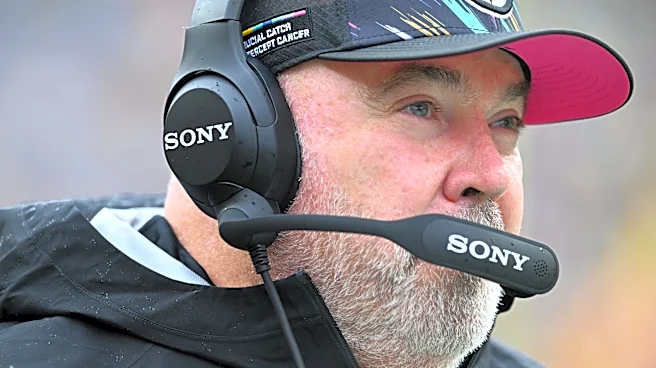
Instead of relying strictly on deep, explosive chunk plays, Rodgers is thriving by making smart, decisive reads within head coach Mike McCarthy’s scheme. Heavy sets allow him to leverage his pre-snap processing power, distributing the ball efficiently to dynamic playmakers in space, such as hitting Warren in the flat for an 80-yard touchdown catch-and-run.
With Warren currently leading the team in both rushing and receiving yards, Pittsburgh’s multi-tight-end alignment has transformed the offense from a predictable unit into a versatile, physical machine. By committing to heavy packages, the Steelers have successfully maximized Rodgers’ football IQ and vintage arm talent.
This article originally appeared on Steelers Wire: How a simple grouping tweak unlocked Aaron Rodgers in Pittsburgh