

When the Pittsburgh Steelers reunited veteran quarterback Aaron Rodgers with his former head coach, Mike McCarthy, fans expected a polished offensive operation. Instead, game-day execution has looked shockingly disorganized, punctuated by burned timeouts, late snaps, and visible frustration on the sideline.
On the “Snap Count” podcast, former Steelers quarterback Charlie Batch identified the root cause of these operational breakdowns. He sees a direct clash between Rodgers’ playing style and McCarthy’s wordy West Coast playbook.
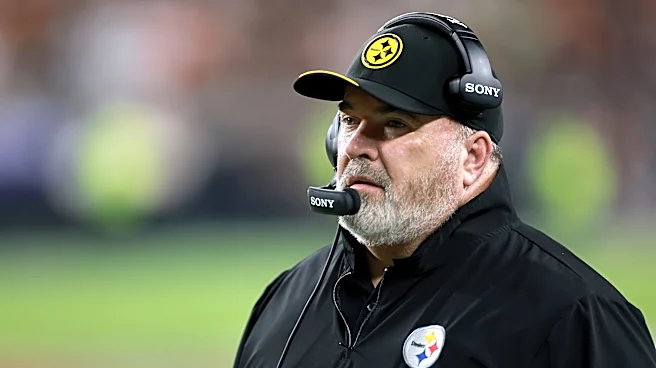
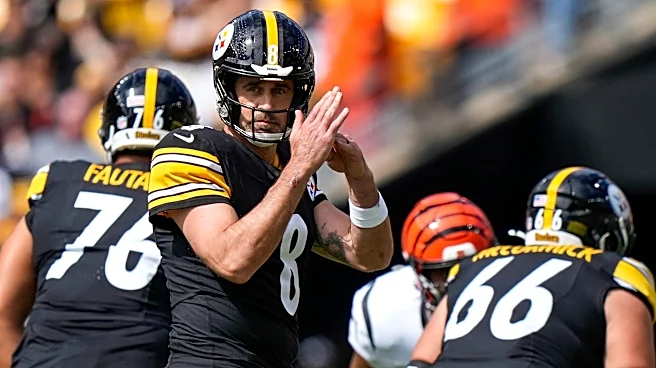
McCarthy’s system relies on lengthy, highly descriptive play calls. While most modern quarterbacks wear a wristband to simplify communications into short number calls, Rodgers famously refuses to wear one. That decision
forces McCarthy to recite long plays over the helmet radio before the NFL's 15-second communicator cutoff.
"The West Coast system, the verbiage is lengthy," Batch explained. "Aaron Rodgers is not a guy who likes to wear a wristband. He likes to visualize it, hear it, walk into the huddle. When that starts creeping into the play being relayed to you, it becomes frustrating because now instead of getting to the line at 15 seconds, you're getting at 10 and now you're rushing."
When play relays lag, Rodgers is left scrambling to call plays from memory and read pre-snap defenses.
"People forget that if you don't get that play in before 15 seconds, the NFL automatically shuts that play calling down," Batch added. "So now you may be sitting half of the play and then have to fill it in in anticipation of what the coach may be calling in."
This mechanical friction spilled over during Thursday night's loss to Cleveland when Rodgers barked at McCarthy to get calls in faster. If Pittsburgh expects to salvage its season, the quarterback and playcaller must streamline their pre-snap operation immediately.
This article originally appeared on Steelers Wire: Aaron Rodgers' wristband refusal is hurting Steelers offensive tempo