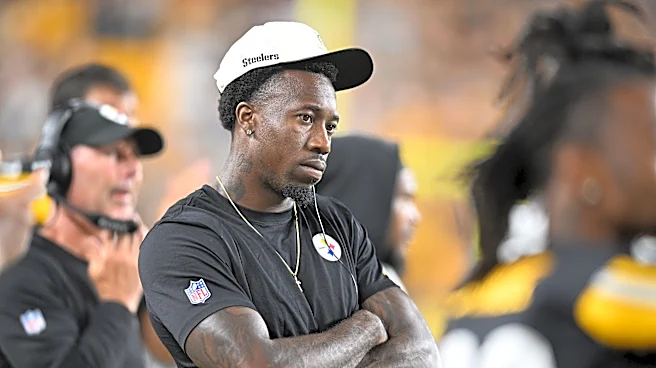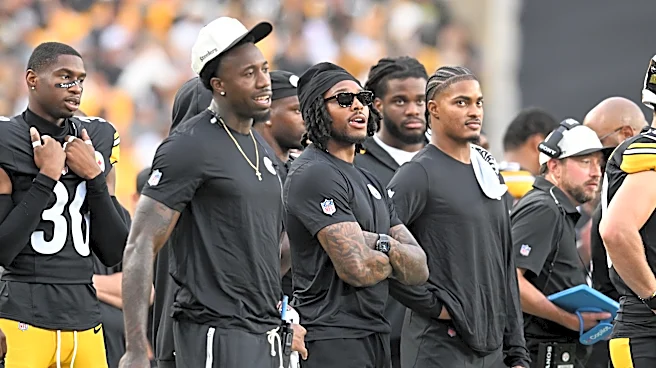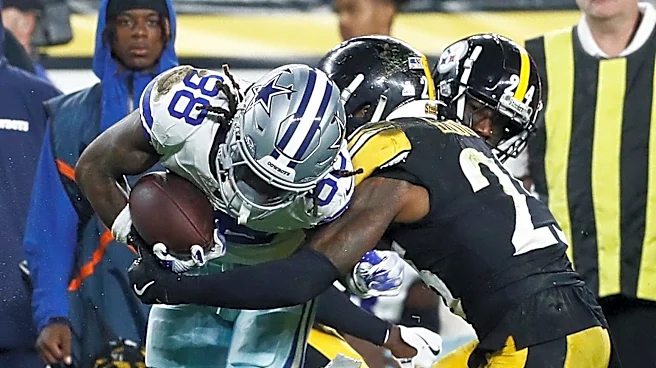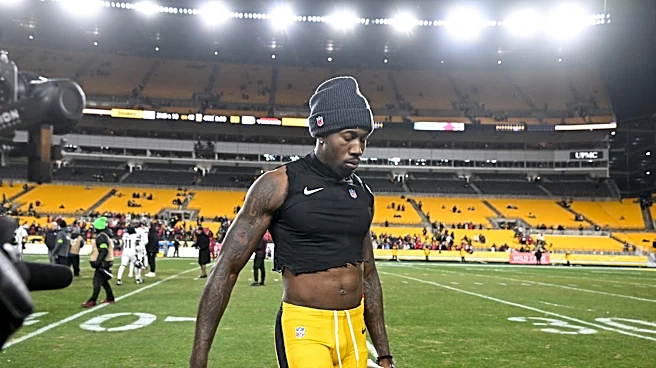

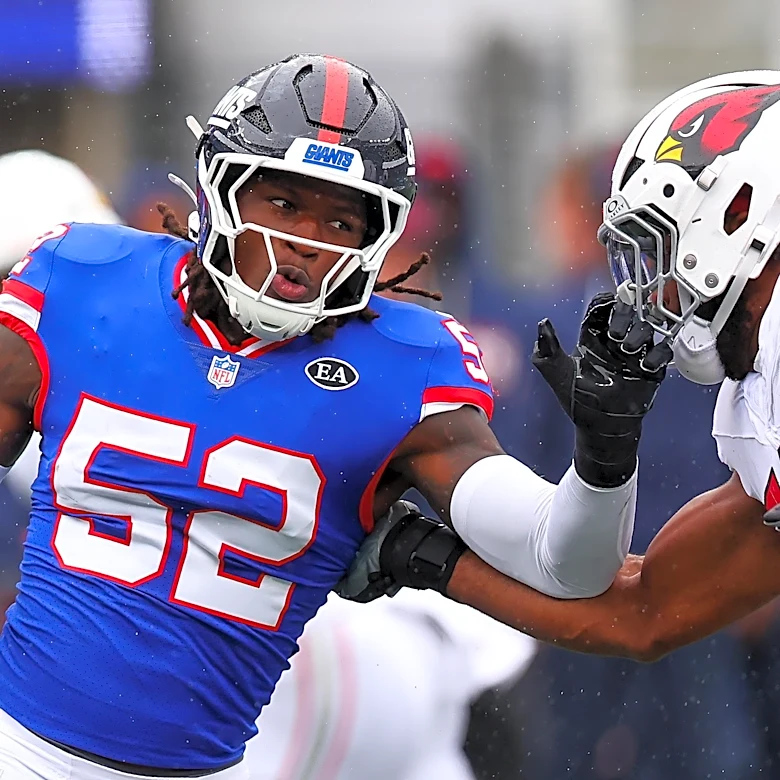

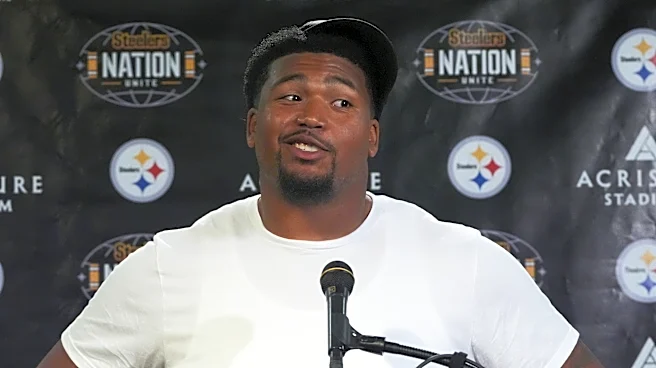
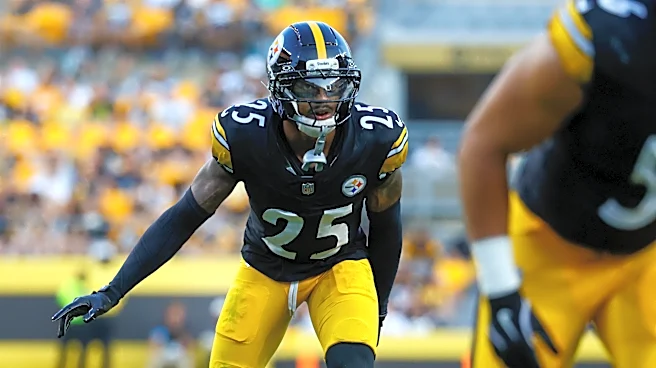
The Pittsburgh Steelers’ decision to trade Joey Porter Jr. to the Dallas Cowboys sent shockwaves through Steeler Nation. While external speculation framed the standoff as an insurmountable gap in total contract valuation or ego, former Steelers Arthur Moats and Terence Garvin revealed on Moats’ podcast that the impasse boiled down to an unyielding organizational mandate.
It was not a dispute over average annual salary, but rather a fight over structural guarantees.
"It wasn't necessarily a 'I want 30 or 35,'" Moats explained regarding Porter's extension negotiations. "We're talking 'I want that year two guarantee.'"
The demand clashed directly with one of Pittsburgh’s oldest front-office principles. Historically, the franchise has refused to offer
full second-year contract guarantees.
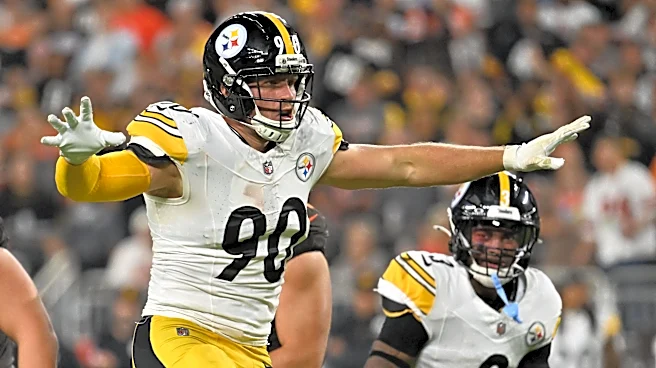
"The opposite being it's only been two people in the history of this organization that we broke that rule for," Moats noted. "And at the time we broke them, they were arguably the best player in the world at their position in terms of T.J. [Watt]. And we talk about Minkah [Fitzpatrick], right?"
Because Pittsburgh holds that boundary sacred for anyone below consensus All-Pro tier, the deadlock became unavoidable.
"From a player perspective is 'I'mma act out. I'm not going to let you treat me like this,'" Garvin said, breaking down Porter's reaction.
"From a seeing it from the other view. I see the business perspective a little bit older in a sense. I'm like, it's tough to walk away from somebody who values even though you might not feel like they value at this high level."
By standing firm on precedent, general manager Omar Khan signaled that no legacy tie or defensive talent trumps institutional policy, ultimately forcing the blockbuster trade that sent the young cornerback to Dallas.
This article originally appeared on Steelers Wire: The one Steelers contract rule that forced the Joey Porter Jr. trade