



Fantasy managers often overvalue seemingly must-draft tight ends while undervaluing supposedly fringe streamers. This historical data explains it.
In the 14 NFL seasons from 2012 to 2025, the top-ranked preseason tight ends (based on ADP) frequently dominated, as high-end talents like Travis Kelce, Rob Gronkowski, and Jimmy Graham repeatedly delivered elite or near-elite numbers. Once the first three TEs come off the board in fantasy drafts, some managers feel pressure to take the supposedly next-best one. That's a mistake.
During this stretch, the TE1, TE2, and TE3 collectively have averaged 200.5 fantasy points per season. The next six tight ends (TE4 through TE9) have averaged only 138.7 points. That gap is huge. If an opponent takes the TE3,
and a few picks later you take the TE4, on average your tight end would average several fewer points per game at the TE position.
But here's the thing: suppose you fade tight ends and decide to snag one late. Those next six players based on ADP (TE10 through TE15) have averaged 134.0 points. The difference between TE4-9 and TE10-15 is 4.7 points across a full season. In the fifth or sixth round, for example, managers are taking tight ends who won't be materially better than tight ends taken in the 14th or 15th round.
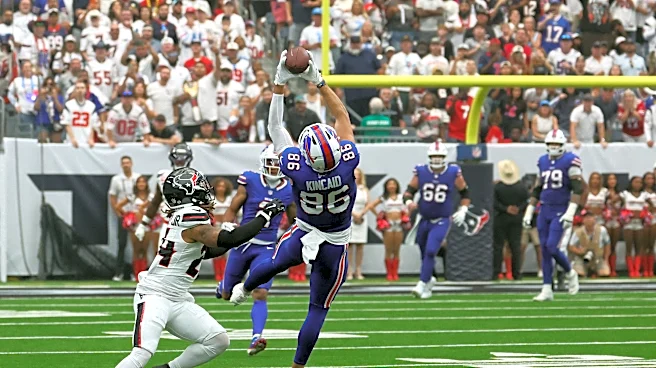
How does that apply to this season? This summer's TE10-15 ADP group included Isaiah Likely, Dallas Goedert, and Dalton Kincaid. So before you draft next season, consider your competitive advantage if you play the percentages and wait to draft a high-upside TE.
For a deeper dive into this topic, listen to this recent podcast episode.
This article originally appeared on Touchdown Wire: Wish you'd drafted Dalton Kincaid or Isaiah Likely? This data was key