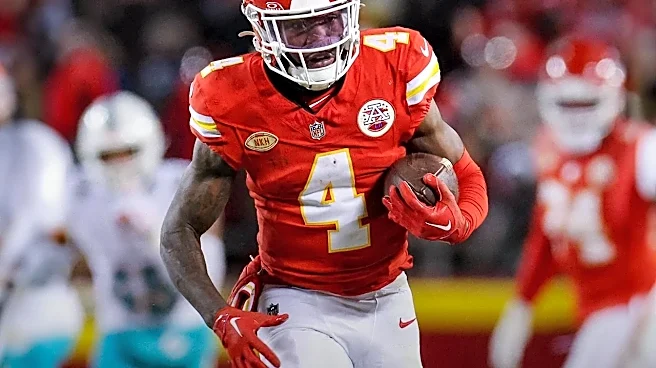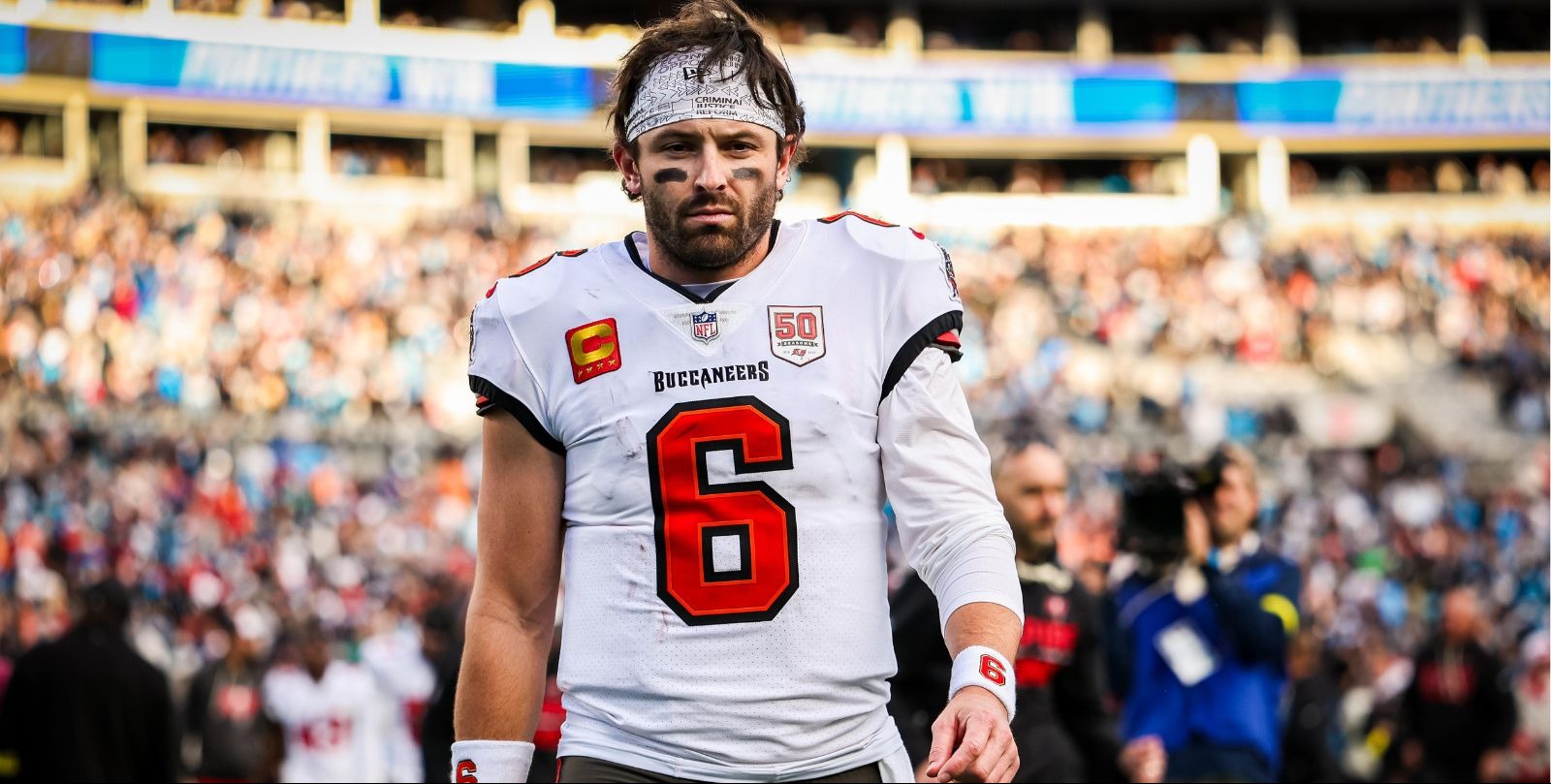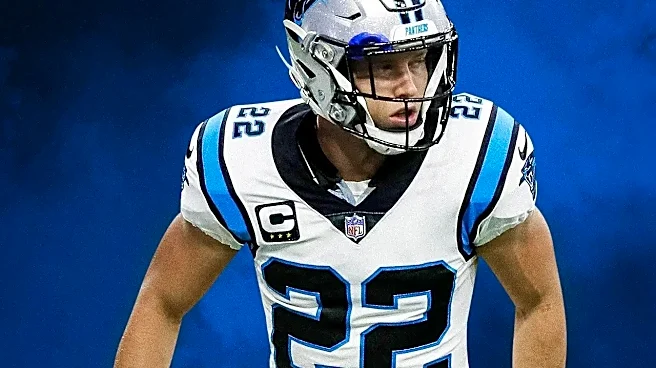


Many fantasy managers are more cautious when drafting RBs in the top 20-30 range, or a little before or after. It's commonly referred to as the "dead zone," when many running backs fall short of expectations. There is ample data-driven evidence showing that this should be a real concern. Here is one effective way to slice the data to understand this issue better.
Last season, 46 running backs averaged 10+ touches per game. 32 of these RBs (70.0%) also averaged 10+ fantasy points per game. Intuitively, this makes sense. Guys who touch the ball a lot have more opportunities to collect yards, catches, and touchdowns.
What's notable is that seven of the 14 RBs who averaged single-digit fantasy points had preseason ADPs within -- or slightly outside
of -- the dead zone. Yes, they racked up plenty of touches. But they didn't make very good use of those touches. That's the disadvantage of drafting dead-zone RBs: they're frequently not productive enough on a per-touch basis to comfortably exceed expectations.
The preseason ADPs for those seven RBs were RB15, RB20, RB23, RB24, RB25, RB31, and RB32. If we include the two next-highest-scoring running backs (10.7 points per game and 10.9 points per game), then we could add the RB26 and RB27 to this mix.
Year after year, it's a similar story: a high percentage of double-digit-touch, single-digit-scoring running backs had dead-zone or dead-zone-adjacent ADPs. For a deeper dive into the treasure trove of compelling evidence, listen to this recent podcast episode.
This article originally appeared on Touchdown Wire: Making sense of the RB "dead zone" in fantasy football drafts