



BOSTON — Boston Celtics President of Basketball Operations Brad Stevens made a habit out of mystifying and stunning NBA fans with his trades. Basketball pundits were in awe when he somehow acquired guard Derrick White at the 2022 trade deadline without giving up much talent. A little more than a year later, Stevens shocked the Celtics faithful by dealing veteran guard Marcus Smart for center Kristaps Porzingis as part of a three-team trade.
These were good surprises that not only led to a championship in 2024, but also left fans across the league wondering how Stevens was able to pull it all off. The two-time NBA Executive of the Year made another major, astonishing move in July of 2026 by trading star guard Jaylen Brown to the rival Philadelphia
76ers. Yet, unlike Stevens' previous maneuvers, this wasn't a welcome surprise. It didn't beg the question of how the Celtics managed to hoodwink another trade partner. Rather, it prompted the NBA world to ask why this happened with an in-division rival, of all teams.

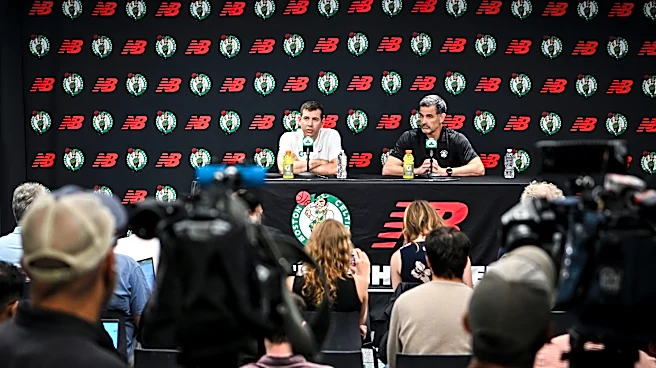
The head scratching from Celtics fans was no longer in amazement. It was in bewilderment. And when Stevens and Celtics majority owner Bill Chisholm sat in front of the media to answer "the why" of it all in early July, responses discussing optionality and the talent of 36-year-old Paul George, who came back in the trade, weren't enough to quell the confusion.
Brad Stevens gets honest about the "why"
Over a month later, time has healed some of the feelings of disorientation in Boston. In addition, Stevens was upfront about the timeline of the trade during an episode of the Celtics' all-access "Beneath the Banners" video series.
"When the league adopted the apron rules four or five years ago, but they eased them in over time, we knew that our window was going to be those first couple years to be exceeding that," Stevens explained.
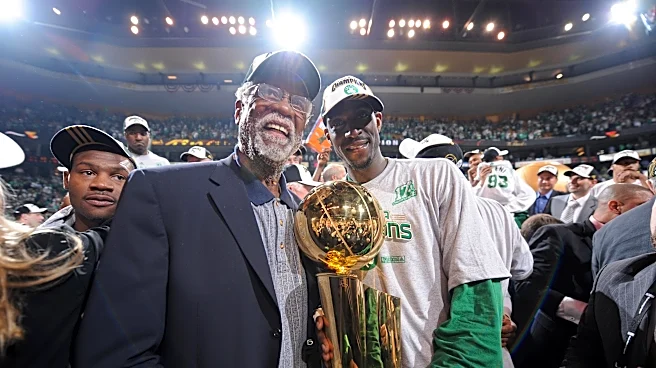
The Celtics enjoyed their time in the aprons and brought home that aforementioned championship while over budget. However, it's difficult for any team to stay in that spending zone, and the Celtics had to lose several parts of their championship team last offseason in order to shed salary.
"Last summer, when we made the moves we made, we knew we would ultimately have to do that with the new apron rules, the thresholds, and the challenges of trying to operate in that neighborhood," Stevens said. "And those challenges are not the financial part; it's the limitation on trades, the future draft pick issues, et cetera."
Stevens and company were undoubtedly reminded of those challenges this offseason as well. Brown was taking up a large chunk of the Celtics' money and extending him for up to $140 million over the course of two years was a big ask. Ultimately, Stevens couldn't justify that cost, as it may have came at the expense of depth and future rosters.
"You need a bench that's deep," Stevens described of the NBA's current competitive climate. "You have to be under a threshold and you need as many good players as humanly possible. So, you have to really be good around the role players. The guys that you think can continue to develop and grow, guys that are willing to play a role that might be older and more accomplished."
How Paul George factors into the "why" of the trade
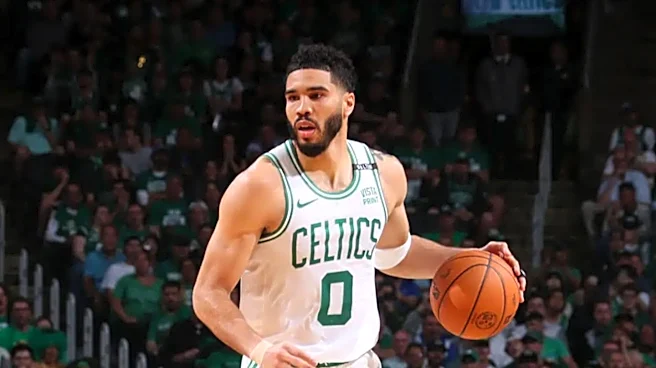
George sounds like that "older and more accomplished" player Stevens referenced. The nine-time All-Star is certainly experienced and while he's no longer the caliber of player that Brown is (in the regular season and postseason), he seems more willing to operate as a complementary piece alongside Celtics star Jayson Tatum. Plus, and perhaps most importantly, George was willing to waive his trade kicker for the C's and is on a shorter contract.
Brad Stevens addresses how the Celtics still have a lot of their salary cap occupied after trading Jaylen Brown:
— Daniel Donabedian (@danield1214) July 6, 2026
“Paul’s contract is shorter. He’ll have his choice with this player option next year.”
“As a kid, I don't want to hear about picks and optionality…unfortunately, in… pic.twitter.com/7CUaZo0NwV
"Paul's contract is shorter," Stevens responded during his July presser when asked why he moved an expensive player in Brown for a slightly less expensive player in George. "He'll have his choice with his player option next year...We're excited about Paul."
Although a few members of the front office might genuinely be eager to see what George brings to the Celtics, it's important to note that he minimizes the threat to Boston's depth. It was difficult for Chisholm, who grew up a Celtics fan, to agree with Stevens' thoughts on George, Brown, and the trade as a whole, but he eventually got there.
"I truly believe we have the best front office in the NBA, and I think it's a source of advantage for us every day," Chisholm said on the air with WEEI on Tuesday morning. "We've got the best brains in basketball, and this was something they had conviction around...They did convince me. We did it, we did it with conviction. And we'll see where it goes, but we feel good about it."
Did the 2026 NBA Playoffs offer a breaking point?
The aprons, Brown's fit, depth, optionality, and several other factors were involved in this blockbuster trade. Maybe all of those points would've been negated if Tatum and Brown led the Celtics on another deep playoff run last season, proving to the front office that running it back would be a viable option.
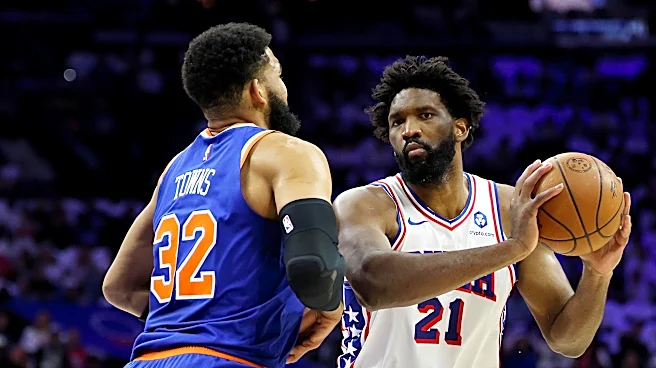
Instead, the C's fell in the first round to the 76ers and blew a 3-1 lead in the process. For Stevens, who was reportedly shopping Brown around the league in months prior, that embarrassing series may have been the point of no return.
Brad Stevens on trading Jaylen Brown:
— Daniel Donabedian (@danield1214) August 16, 2026
“It’s something that you have to just say, do you think where we currently are…will get us to where we ultimately want to go?”
“If not, does it make sense to explore other pathways, even if that could be very tough in the near term?” pic.twitter.com/7xG2CpQSPE
“Do you think where we currently are and doing what we've done will get us to where we ultimately want to go?" Stevens asked while discussing the trade. "If not, does it make sense to explore other pathways, even if that could be very tough in the near term?”
These details from Stevens and Chisholm's trust in him should help diminish the level of confusion surrounding Brown's departure. But, will it reduce the amount of anger from fans?
That's where the real gamble lies for the Celtics, and the results of the 2026-27 NBA season could provide an answer to that final question.
Listen to "Havlicek Stole the Pod" on:
Blue Wire: https://tiny.ee/CdKp
iTunes: https://tiny.ee/RK47
YouTube: https://tiny.ee/cOW3
This article originally appeared on Celtics Wire: Bill Chisholm and Brad Stevens elaborate on why Jaylen Brown trade had to happen