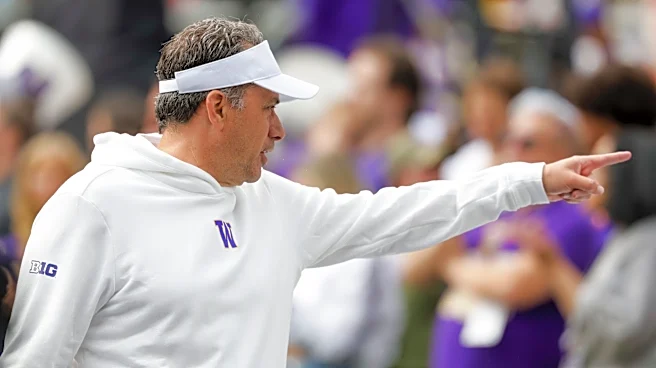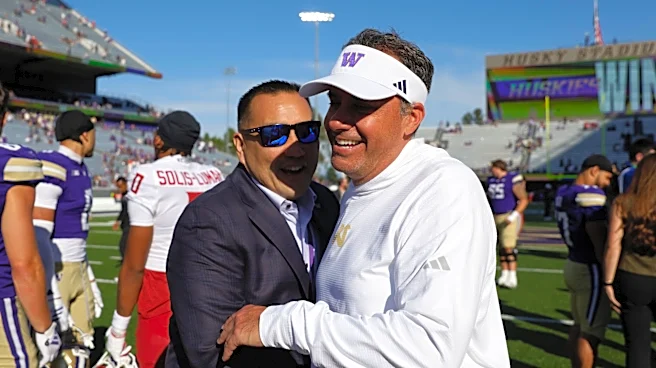



As the Washington Huskies continue to wade through their new journey in the Big Ten, financial differences between Jedd Fisch's team and some of the conference's biggest spenders are becoming very clear.
According to a report from The Athletic, Washington is spending between $21 and $25 million on its football roster for the 2026 season, an estimate that lumps the program into the back half of the conference, in the same tier as Maryland, Michigan State, and Northwestern, and ahead of only Rutgers, Minnesota, Illinois, Iowa, and Purdue.
With Ohio State and Oregon leading the way, paying an estimated $48 and $54 million for the 2026 season, USC, Indiana, and Michigan all sitting between $35 and $40 million, and Nebraska, Penn State, Wisconsin,
and UCLA all in around the range of the conference average of $27 and $31 million, athletic director Pat Chun needs to find a way to continue to increase the program's cash flow.
College football’s most carefully guarded secret is the amount of money flowing to the players on each roster.
— The Athletic (@TheAthletic) September 16, 2026
So we reached out to 70 sources across the sport.
Estimated budgets for all 68 teams: https://t.co/MFwc0s1Nzy pic.twitter.com/SGEfei8jWt
As Washington continues to operate without an NIL collective, the program has still found success on the recruiting trail and has been able to retain the majority of its roster. However, as the Huskies move forward in the Big Ten, until they begin to receive a full share of the conference's media rights deal following the 2029-30 season, the program will need to find a way to make up the difference.
Since his arrival, Fisch has been extremely vocal about the need for additional financing to succeed in the Big Ten, and although it appears fundraising has gone very well for Chun and the athletic department, turning that specifically into financing a roster (which is still a bit of a taboo thing to discuss in the world of college sports) has quickly become critical to sustained success.
With the way Fisch and his coaching staff have shown they can recruit, after pulling in the program's highest-ranked class in 2026, even with somewhat limited resources, if Washington can even get to around the conference average of a $30 million budget for the roster, that could go a long way moving forward.
The Huskies will have to worry about retaining several core pieces of the roster following the 2026 season, including quarterback Demond Williams Jr., offensive lineman John Mills, linebacker Zaydrius Rainey-Sale, freshmen defensive linemen Derek Colman-Brusa and Ramzak Fruean, among many others, while they also aim to land several highly-ranked recruits in the 2028 class. None of that comes cheap.
This article originally appeared on Huskies Wire: Washington Huskies under Big Ten average for football roster budget