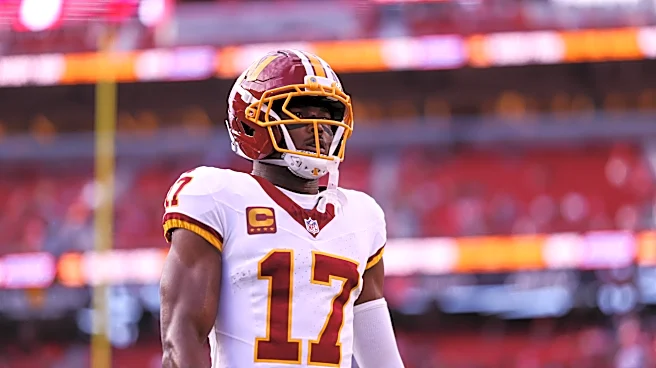

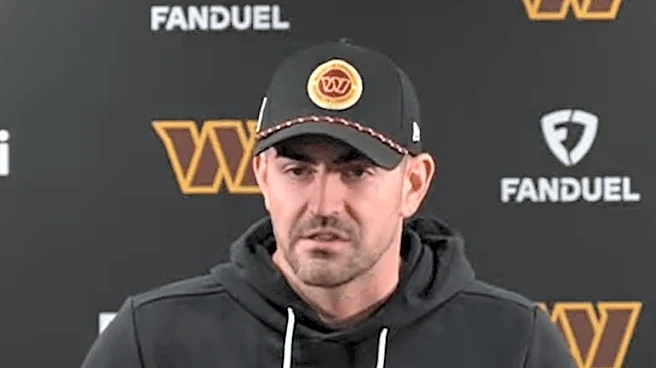

It feels like it’s been a while since the Washington Commanders consistently played good defense. Head coach Dan Quinn was supposed to change that. Now, in his third season, Quinn is on the hot seat, in part, due to Washington’s continued defensive struggles.
When Quinn was hired in 2024, he brought Joe Whitt Jr. from Dallas with him. Whitt struggled in the role, but it wasn’t all his fault. Quinn’s scheme has issues. Just look at how it performs against coaches from the Kyle Shanahan tree, such as Sean McVay and Matt LaFleur.
After demoting Whitt last season and taking over playcalling, Quinn chose to go outside of his own coaching tree when finding his next defensive coordinator. Quinn would hire a coordinator and let them bring their own defensive scheme,
while he focused on being a true “CEO coach.”
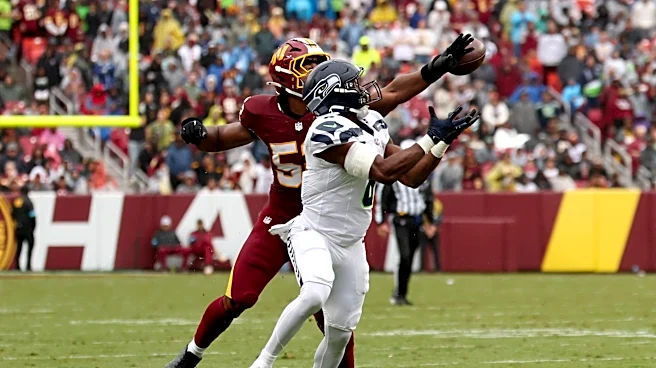
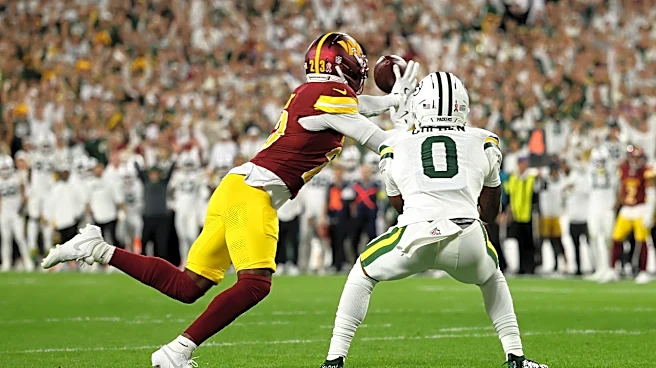
At 1-4-1, with multiple game-management gaffes, Quinn’s seat is hotter than ever. The defense, led by Daronte Jones, has improved but still has issues, some of which could be traced to the secondary. However, one area that should be improved is the pass rush. Yet while the Commanders blitz at the second-highest rate in the NFL, their pressure rate ranks 24th.
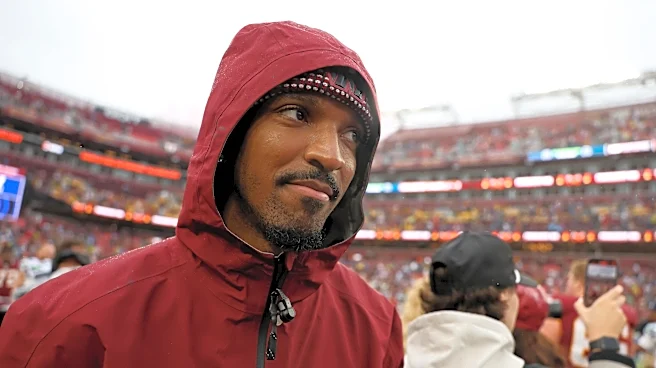
It’s a completely new scheme, which could explain some of Washington’s issues. But maybe not all. Outside linebacker Odafe Oweh spoke with Ben Standig of the Last Man Standig Substack and discussed the team’s growing pains with the new defense.
“A lot of times, the coaches are saying they probably didn’t understand the way that Daronte saw it, so there’s a miscommunication with that,” Oweh told Standig. “That’s what I’m saying. It takes way longer than what [those on the outside] think it is. It’s not just, ‘Oh, X is going here. The players should get it.’ Sometimes there’s a disconnect in communication and stuff like that.”
When Standig posted his story, some took it the wrong way. It’s social media, and sadly, that’s what people do. There is nothing confusing here. Oweh didn’t throw his coaches or teammates under the bus. He thoughtfully answered a question. His answer may offer some insight into Washington’s defensive staff.
When Quinn fired Whitt, should he have let his next coordinator [Jones] pick all his position coaches? The only new defensive assistant is defensive line coach/run game coordinator Eric Henderson, who is one of the more respected defensive line coaches in the NFL and college football. However, Washington retained former defensive line coach Darryl Tapp as the new assistant D-Line coach. The Commanders also retained linebackers coach Ken Norton Jr. and secondary coaches Tommy Donatell [safeties] and William Gay [cornerbacks]. Now, Norton should probably stick on any staff. A multi-time NFL defensive coordinator, he’s also arguably one of the top linebacker coaches in football.
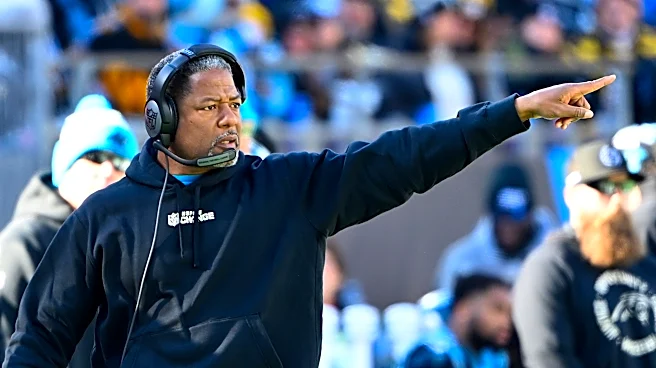
Jones, whose background is in the secondary, probably needed coaches familiar with him to teach his scheme to Washington’s players. Instead, he got mostly holdovers from the previous staff. This is likely what led to the hiring of former NFL head coach and defensive coordinator Steve Wilks as a consultant. While Wilks and Jones don’t have a history together, he’s a respected NFL coach with experience in multiple defensive schemes. It seemed like everyone signed off on hiring Wilks. Wilks can help Washington’s secondary, and several players have already said he’s been helpful.
Why didn’t Jones bring more of his own assistants? Was that a Quinn call? Or was that on GM Adam Peters? Or perhaps some of the coaches Jones wanted weren’t available or didn’t want to leave their current jobs.
It’s hard to know for sure, but it’s a disadvantage for Jones. Does it explain all of Washington’s defensive issues? No, of course not. The unit has shown flashes of playing well and was outstanding in the second half of the Week 6 game against the 49ers. But the Commanders must be more consistent if they hope to turn their season around.
In reading Oweh’s quote, one word sticks out: disconnect. That seems to be a theme this season. And that disconnect is not exclusive to the defensive side of the ball. Offensive coordinator David Blough has had his share of issues, too.
Unless things change, it could be another offseason of change for the Commanders — two years after going 12-5 and reaching the NFC Championship Game.
Disconnect: it sums up Washington's 2026 issues in one simple word.
This article originally appeared on Commanders Wire: One word sums up Commanders' issues in 2026