




We are one day away from the start of July, meaning trade season is about to descend upon MLB. On July 1st last year, the O’s sat 11 games below .500 and seven games out of a playoff spot. That led to one of the biggest deadline fire sales in franchise history, with Baltimore sending out nine major leaguers across eight separate trades.
A year later, and not much has changed on the field for the O’s. They’re still well below .500, double-digit games out of 1st place in the AL East and barely clinging
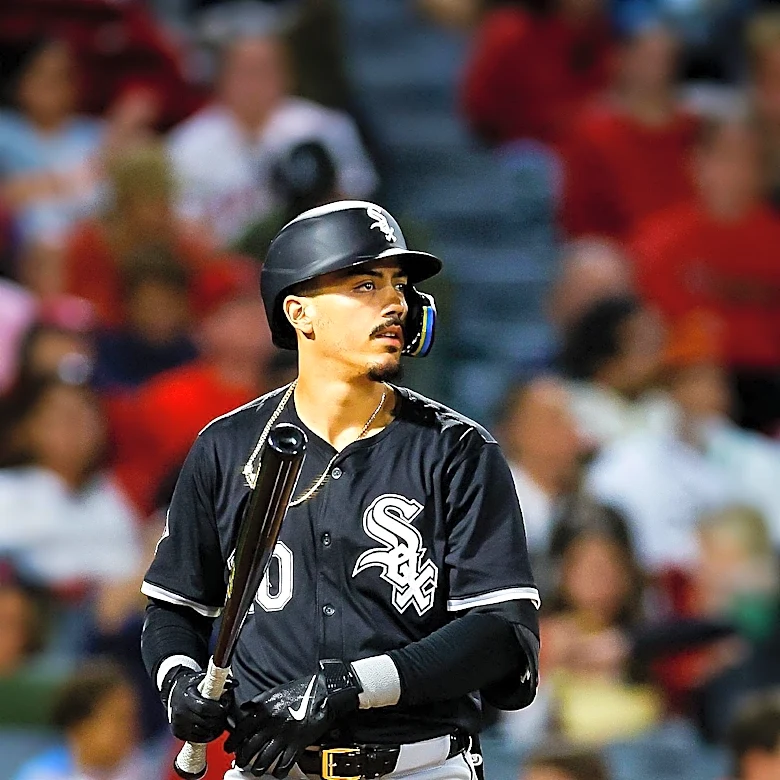
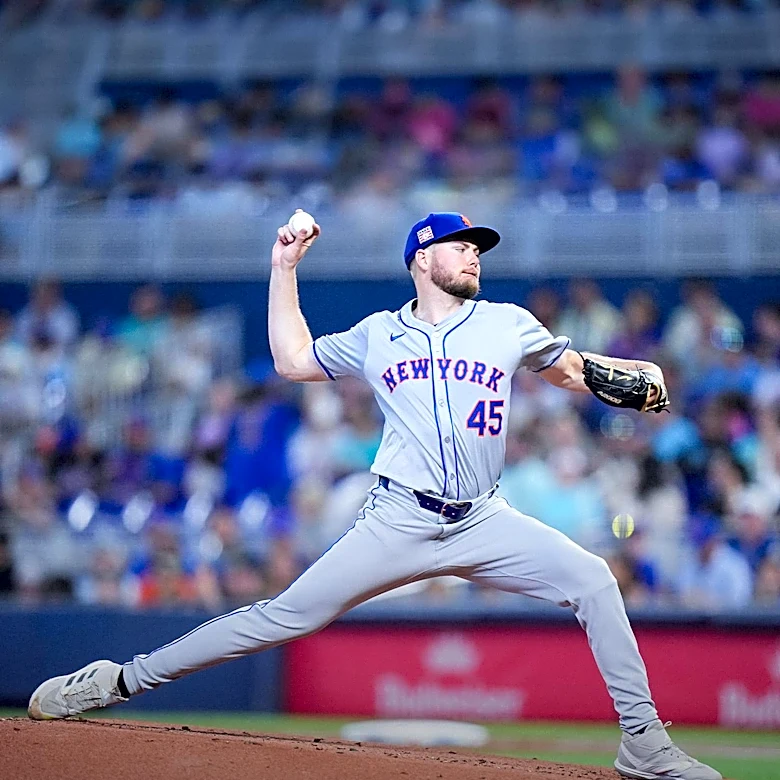
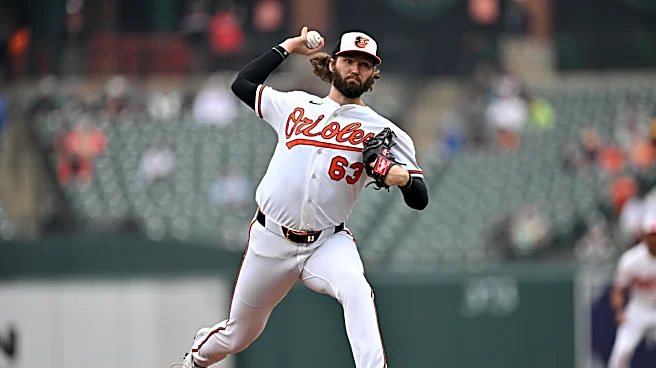
to hopes of a Wildcard berth. Logic would say that they should once again look to be sellers at this season’s trade deadline—with players like Taylor Ward, Trevor Rogers and Keegan Akin all prime trade candidates.
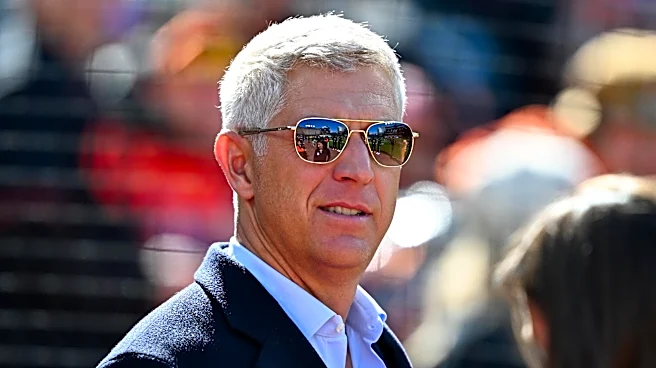
However, Mike Elias and the front office clearly have different intentions for the upcoming trade season. Talking to reporters last Saturday, Elias said that the Orioles’ brass is “certainly making… preparations [to be buyers at the deadline], and everybody in this building is in the mindset of going for it in 2026.” In a rare instance for a member of Birdland, I wholeheartedly agree with Elias’ approach.
Elias will almost certainly be pushing for an aggressive approach at the deadline out of mounting concern for his job security in Baltimore. Though Elias gave the media-trained answer of saying that every year he “felt pressure” and worried “about [his] job in this business,” the facts remain that this is year eight for the Orioles GM/President of Baseball Operations and the team he built is headed in the wrong direction as a franchise.
No O’s GM has held the position for nine straight seasons since Hank Peters, the architect of the 1983 World Series championship team. There are very few reasons to believe that Elias would break that streak if the O’s deliver back-to-back last-place finishes after consecutive playoff appearances in 2023 and 2024.
As Elias hinted at in his recent interview, the underwhelming seasons from many would-be AL contenders have left the Wildcard race wide open. There are currently only five American League teams that are above .500, meaning there are six teams (all with losing records) that are five games or fewer from the final Wildcard spot—including the Orioles.
If the front office doesn’t plan on extending any of their pending free agents, especially Ward and Rogers, finding replacements should be something the front office tries to do now instead of during the offseason. Could the Twins be convinced to sell high on Trevor Larnach? Would the Angels consider moving left-hander Reid Detmers at the deadline? These are the types of questions the Orioles’ front office should be asking in July instead of waiting to reset the team in November.
The Orioles and the rest of MLB must also factor in the potential labor stoppage in December could have on free agency and the offseason (assuming there even is a 2027 season). Yes, it’s true that buying players at the deadline is usually more expensive than similar deals in the offseason. However, these market conditions are ones that Elias & Co. are familiar with.
What comes after the pending lockout and new CBA is anyone’s guess. The MLB owners have reportedly floated the idea of limiting the length of free-agent contracts while also eliminating the practice of deferring part of the contracts’ value into the future. Reports last month also suggested the league proposed implementing a salary floor of $171M and a salary cap of $245M.
If the salary floor is implemented, it could spark a spending spree from the 15 teams who currently sit below the proposed floor. Assuming there is a 2027 offseason at some point after the December 1st CBA expiration date, this need to supplement payrolls could lead to bidding wars that would make it harder to Orioles to upgrade their team via free agency. The proposed limiting of contract length and elimination of deferred payments could also drive up contract values, as players look to maximize present earnings due ot the lack of long-term security.
The need to spend more money on their payroll could also push non-contenders to hold onto talent they might otherwise look to trade. Historically-thrifty teams like the Guardians and A’s usually only have a couple of players making north of $10M/year, meaning trading those players for a handful of prospects would no longer make sense if they’re required to meet a salary floor.
So if the Orioles want to go after a starting pitcher like Minnesota’s Joe Ryan, the Giants’ Logan Webb or the Angels’ Jose Soriano, now is the time. If there is a bat that is A) available and B) would unlock the full potential of this lineup, there’s no reason to delay making that move.
Baltimore has seemingly been stuck in a rut of mediocrity since around this time in 2024. Choosing to once again admit defeat and sell off players at the deadline, or even just doing nothing and letting Ward and Rogers walk, would be extending that streak of disappointing performance. It may not ultimately result in a playoff appearance. But this team needs to start acting like one that truly expects to be in the playoffs, both this year and beyond. The 2026 trade season is the next best moment to really show that intention.