


Every offseason, compensatory picks start floating around Buffalo Bills conversations like some secret salary cap equation everyone pretends to fully understand, at least until the formula shifts and chaos returns.
The reality is that compensatory picks are one of the most misunderstood parts of roster building because the NFL does not publicly release the exact formula. There is a framework, there are known rules, and there are trusted projections, but the final answer doesn’t officially arrive until
the league announces the picks the following March. Pertinent to the current draft cycle, Buffalo didn’t receive any 2026 comp picks.
For the Bills and the 31 other NFL teams, that means any compensatory selections tied to the 2026 free-agency cycle will not officially be awarded until March of 2027, just as the next free-agency window opens. At its core, compensatory draft capital is designed to reward teams that lose more qualifying unrestricted free agents than they sign.
A qualifying unrestricted free agent, commonly called a compensatory free agent or CFA, is a player whose contract expires naturally and who signs elsewhere before the Monday following the NFL Draft. If that player signs inside that window, he enters the formula. If he signs after that deadline, he does not. That distinction matters more than people realize because teams often intentionally wait out the post draft period before signing certain veterans in order to avoid canceling out a pick.
Not every departing player counts. Restricted free agents and exclusive-rights free agents do not qualify. Players who are released also don’t qualify, even if they later sign meaningful contracts elsewhere. On the other hand, players whose contracts void generally do qualify because they are treated as unrestricted free agents in most cases.
Then comes the cancellation chart, which is where things start to feel like NFL algebra written in disappearing ink. If a team loses a qualifying free agent and signs one of similar contract value, the gains and losses offset each other. Contract average per year matters heavily, but snap counts, postseason honors, and overall role can also influence where a player ultimately lands in the formula.
A team can receive a maximum of four comp picks in a single draft, and those selections are awarded at the end of Rounds 3 through 7. Unlike years ago, those picks can now be traded, which has made them even more valuable in long-term roster planning.
For Buffalo, the early 2027 picture is already beginning to form. Based on the current 2026 free-agent movement through the qualifying period, the Bills currently project to have lost two qualifying free agents and gained one.
That leaves one active compensatory net gain right now.
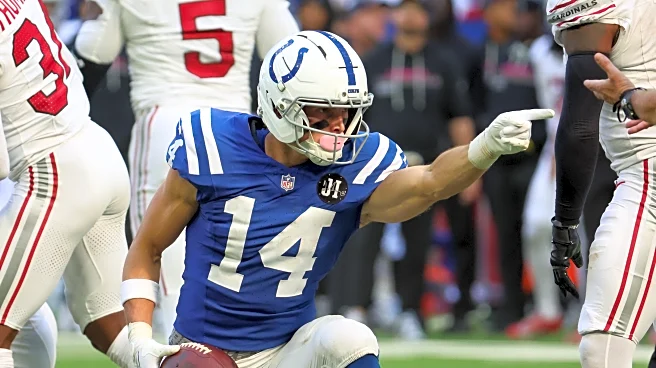
The biggest active piece on Buffalo’s board right now is left guard David Edwards, whose departure projects strongly enough to currently sit in compensatory range. His estimated market value and contract strength place him in favorable territory, which is why he currently stands as the Bills’ most significant active qualifying loss.
Quarterback Mitchell Trubisky would have qualified as a compensatory free-agent loss based on contract value, but that loss is presently being canceled out by the addition of cornerback Dee Alford, whose own qualifying free-agent contract offsets that departure in the formula.
That leaves Buffalo with one projected active compensatory return at this stage.
Per Overthecap.com:

There are also moves that matter financially but don’t currently count toward the formula. Fullback Reggie Gilliam doesn’t qualify as a CFA loss, and quarterback Kyle Allen doesn’t qualify as a CFA gain, which means neither currently affects Buffalo’s comp-pick balance despite both contracts existing in the same offseason landscape.
The first stretch of free agency is not only about filling holes. It’s also about understanding which additions could erase future draft value. A mid-tier signing in March can quietly cost a Day 3 pick the following year if the player qualifies in the formula and offsets a departure of similar value. That’s why this chart remains fluid. A single signing before the post draft deadline could cancel out David Edwards.
For now, the Bills appear to be sitting with an early projection of one 2027 compensatory selection, but this board will keep shifting until the qualifying window closes after the draft.
In other words, the board may look calm today, but compensatory math has a way of changing overnight, usually right when everyone thinks they finally understand it.