
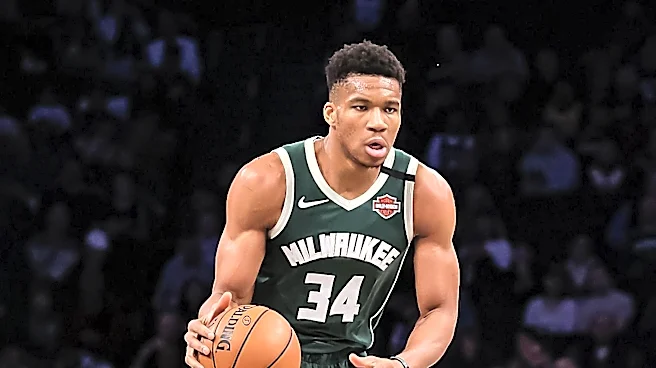
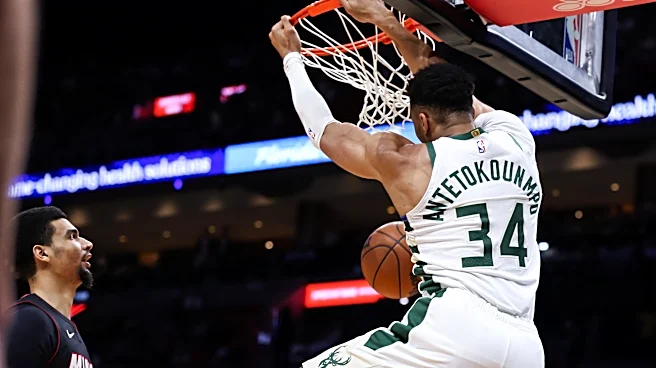


In the final hours of the Bucks’ self-imposed deadline to deal Giannis, Jon Horst and Milwaukee’s entire brass had to make a franchise-altering decision—the ramifications of which would span the next decade. After weeks of scouring the marketplace and listening to offers, Miami and Boston emerged as the two leading horses in the race, with Antetokounmpo reportedly happy to join either team.
It had seemed like GA-to-Miami was a forgone conclusion for weeks. After all, their offer of picks, young pieces,
and established players was what Jon Horst was looking for. They also in the East, so that got Giannis’ tick of approval, as he reportedly wanted to remain in the conference on his next team. So, what was the hold-up? Well, while the Heat’s offer was good, it definitely wasn’t great. Horst had his bird in hand, and he knew it wasn’t going to fly away.
But although Miami’s offer was never going to be completely off the table, the Bucks GM ran the risk of biting off more than he could chew by waiting. What if Miami got intel that other teams had dropped out, leaving them as the only dog in the fight? They could have begun to pull assets, and although Horst would have been pissed off, that’s the game he played by banking on shaky leverage.
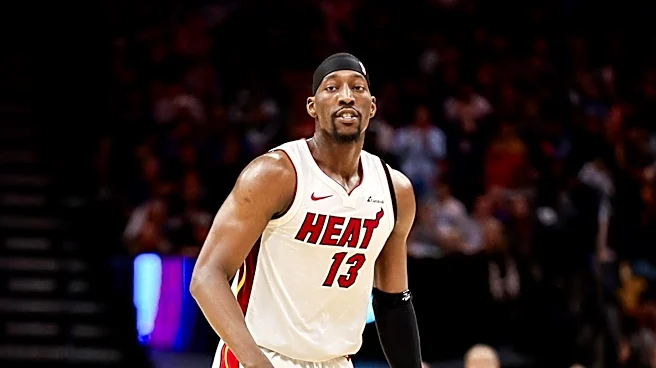
Regardless, the initial offer from Miami in the weeks leading up to the draft sounded something like Tyler Herro, Kel’el Ware, Jaime Jaquez Jr., pick 13, and two future firsts. Now, that’s a solid offer, but the Heat were still holding back on some of their assets. What Horst needed was a way to place more pressure on Pat Riley to squeeze those final assets. He needed another suitor.
Enter, the Boston Celtics.
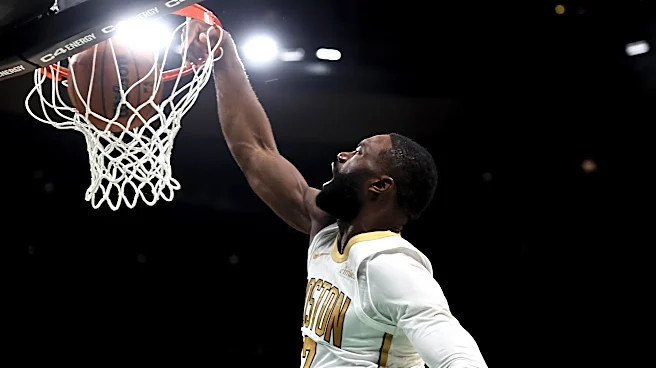
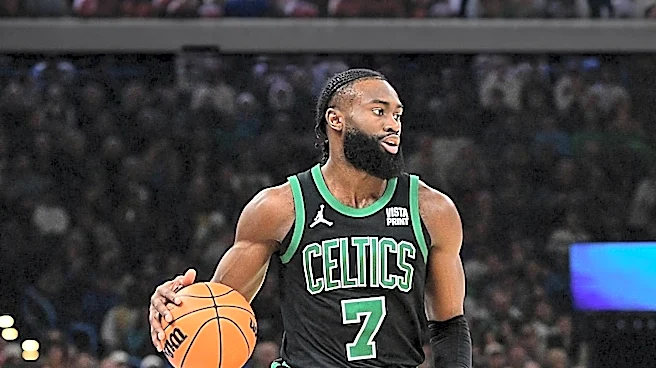
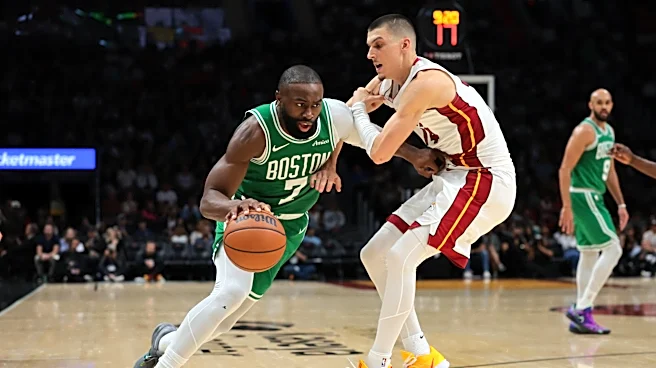
After weeks of sources from inside Boston insisting to every and any reporter that—while they would love to get their hands on Giannis—there was no way they would ever (ever!) consider trading Jaylen Brown to do so, the façade fell by the wayside. Two days before the draft, ESPN’s Brian Windhorst appeared on Get Up to declare that the Celtics were indeed offering Brown for Antetokounmpo. Checkmate, Pat Riley.
As those final 48 hours wound down, various insiders began reporting that Boston had, in the 11th hour, taken the lead in the two-horse race for Giannis, an absolute gut punch for the front office down in South Beach, I presume, who probably thought they had this, him, in the bag. Now, who knows if that was ever true: that the Celtics had “taken the lead.” Who knows where that reporting came from. What I do know is that the Bucks greatly benefited from that information getting out there…
Regardless, at that moment, Horst had masterfully engineered exactly what he needed: a bidding war. The Celtics—who reportedly intended to only offer Brown for Antetokounmpo in a one-for-one swap originally—added two firsts on top of the five-time All-Star, but apparently stopped short of including young guns Hugo Gonzales and/or Baylor Scheierman. The Heat responded by all but emptying their cupboard, relenting on Kasparas Jakucionis, a 2030 first-round pick swap, and a 2033 second-round pick.
So that was that. The final two offers were on the table, both improved and as good as they were going to get. There was smoke that the Bucks’ owners wanted a bona fide star back in the trade, which meant the Celtics were their preferred deal. It’s my stance that accepting such a deal—keeping a possibly (probably) disgruntled Brown in Milwaukee against his will just to sell tickets and stay relevant—would have been a bad choice, so I’m glad they chose the Heat deal. They made the correct, smart decision, in my opinion.
That said, my personal preference was going with the Celtics’ offer, but not keeping Brown. Instead, I wanted to to send him to Portland in a three-way trade that would have sent Milwaukee’s picks (that they traded for Dame) back, along with more players and draft capital; who knows if that was truly an option (recent reporting of the Blazers’ continued interest in Brown indicates that it probably would have been).
Regardless, it’s really “12 of one, half a dozen of the other” between that sort of theoretical transaction and the deal they accepted from the Heat. Given the circumstances, the Bucks got a solid return for a 31-year-old who, while certainly a generational superstar when he’s on the court, has undeniably dealt with mounting injury concerns.
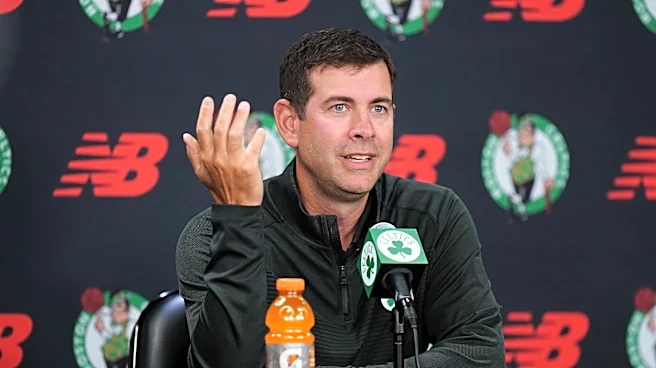
This is where I need to give Jon Horst his flowers. All the flowers. As Zac so eloquently outlined in his own experience, the days leading up to the transaction were hell for me too (and, I can only assume, many other fans). My anxiety was through the roof as I woke up every day only to find out that they still had not struck a deal. I just wanted it all to be over. But Horst had a plan and executed it to a tee, remaining patient until he got what he wanted. Salute.
And not for nothing, but the Bucks GM also deserves major kudos for keeping Giannis off the court amid his pressure campaign to play late in the season. As I wrote about back in March, this trade package would have been significantly reduced if Horst had relented under Antetokounmpo’s pressure campaign and the two-time MVP had sustained a long-term injury.
(I’ve also written a bit about the other packages Milwaukee could have taken—from the trade deadline, and even what would have happened if Horst initiated talks last offseason—but I’ll leave that for a separate story.)