



Though by no means a pleasant or enjoyable topic, an undercurrent of the 2026 MLB campaign will be the upcoming labor negotiations upon season’s-end—especially as they apply to economic affairs. As someone who has always been fascinated by baseball’s competitive balance, it is a subject I may return to a time or two this summer as the opportunity presents itself.
I recently saw this article from Sportico (decent chance you’ll hit a pay wall—but I somehow got one free crack at it) regarding their estimated
MLB franchise values. Here are the (literal) bullet points:
- All 30 MLB squads together are worth an estimated $95 billion. That’s an average of $3.17 billion—a 12% jump from the previous year (the largest upward mobility since Sportico started evals in 2001).

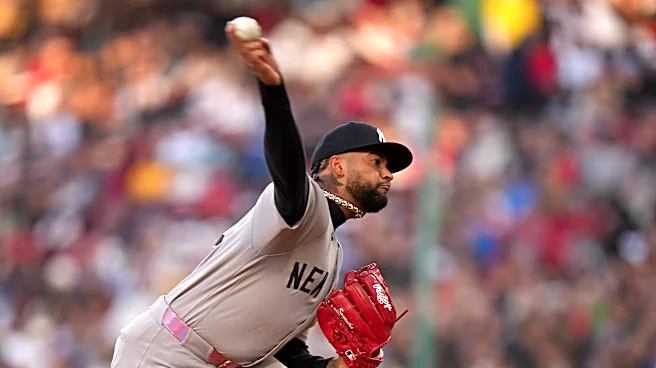
- As one would expect, the New York Yankees ($9.4 billion) & the Los Angeles Dodgers ($9.05 billion) raked in the most cash-ola. On the other end of the spectrum: the Miami Marlins (a paltry $1.45 billion).
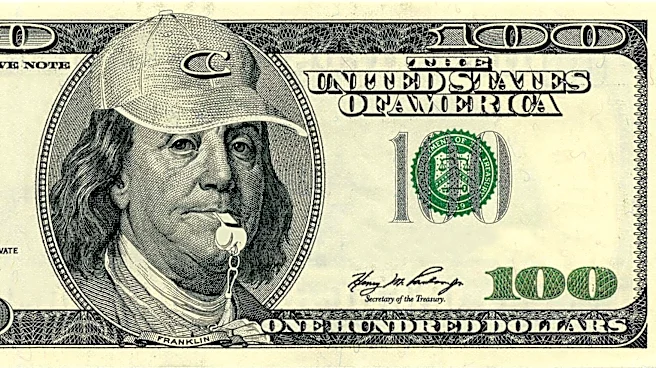
Clearly, no matter how poor owners cry, the best of them are Scrooge McDuck-ing into piles of loot while the worst of them are still sitting on a billion-dollar asset.
Key figure #1: The percentage difference between the top and bottom team 2026 evaluations is 146.54%.
This got me wondering how things have changed in this regard over time, so I picked a nice anniversary—25 years back—and found these 2001 franchise $$$ evals from Forbes:
- Start spreadin’ the news—the Yanks were #1 at $635 million

- The Montreal Expos brought up the rear at $92 million (though no gloating here—our Minnesota Twins were second-worst at $99 million)
Key figure #2: The percentage difference between the top and bottom team 2001 evaluations was 149.38%.
The take-home points from this Baseball Economics 101 lecture…
- Major League Baseball clubs make money. Period. Full stop. If anyone says otherwise, they are either lying or incompetent as businesspeople.
- Despite these franchises going up, up, and away in valuations, the difference between the Elon Musk-class (high end) franchise and your general, everyday billionaire-owned franchise (low end) remains about the same over the past 25 years.

Without a doubt, disparity has always hounded the national pastime. Population-density alone guarantees the big coastal cities fuller ballparks and more lucrative media deals. But MLB—unlike the salary-capped NFL—allows its owners to self-police their oligarchical, antitrust-exempted setup. Sadly, those police officers are more Barney Fife than Joe Friday.
Despite a lot of big checks being cashed on the back of baseball, the gap between the top and bottom earning clubs remains unchanged in a quarter-century.