



The Atlanta Hawks have already made a series of moves this offseason, and they’ve all been key to ensuring the team stays competitive. One of the first moves Onsi Saleh made was re-signing CJ McCollum to a one-year deal, which gives the Hawks a trusted veteran at the guard position who helped them have a strong second half of the season.
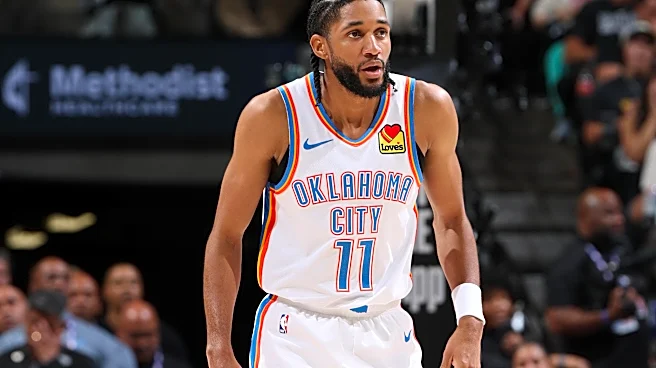
Later that day, Saleh made another value move to improve along the margins, acquiring Aaron Wiggins from the Oklahoma City Thunder in exchange for two second-round
picks. From a cap sheet perspective, it was a perfect move for the Hawks, as they received a serviceable wing on a good contract, and only had to give up second-round picks.
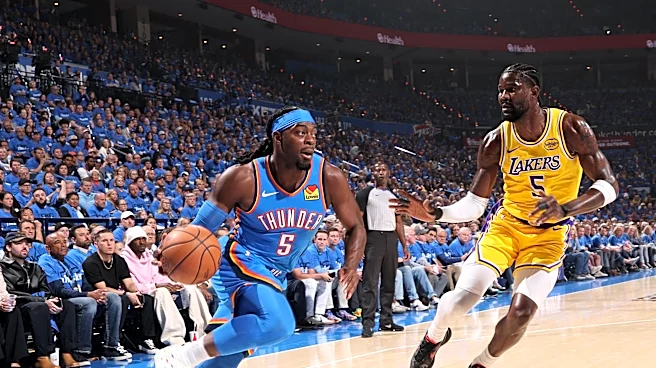
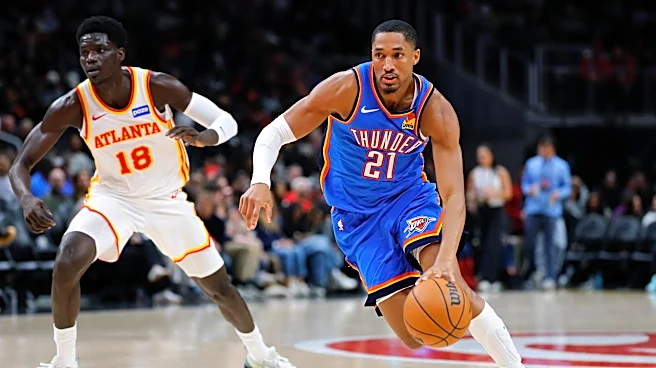
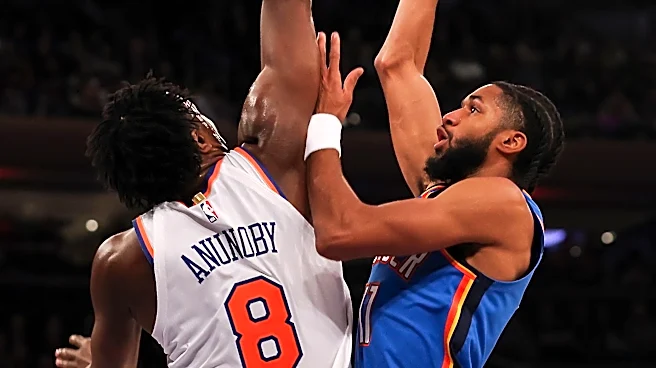
On the court, this isn’t a move that turns them into contenders overnight, but Wiggins plays the game the right way and has helped a team win a championship in the past few years. Wiggins was one of the many contributors who came off the bench for the Thunder, and he averaged 9.4 points per game last season. A lot of things that he does are what the Hawks value, and his fit on the team should be seamless. The first thing that stands out when watching Wiggins is his shooting.
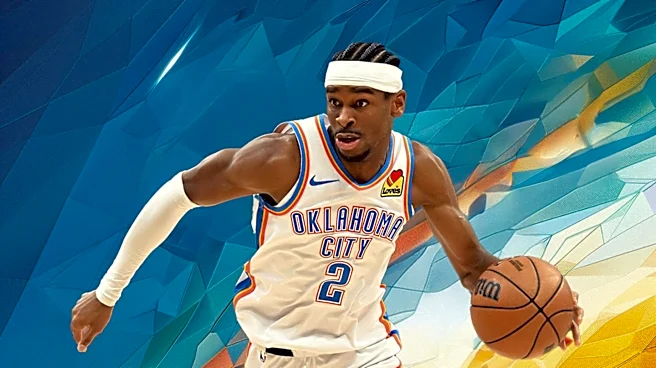
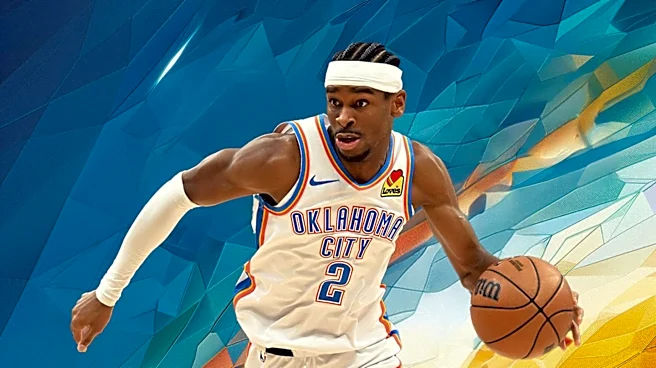
For most of Wiggins’ career, he’s been a reliable 3-point shooter, and it helped the Thunder when their second unit came in. Wiggins shot 36% from the perimeter last season, and he knocked most of them down in catch-and-shoot situations. When you have a player on your team like Shai Gilgeous-Alexander who attracts so much attention on the court, somebody is going to be open. When it was Wiggins, it almost felt like a guarantee the shot was going in.
If the pass wasn’t directly from Gilgeous-Alexander, it was from the extra pass, which is why the Thunder have been so successful over the years. For Wiggins, he didn’t have to create most of his shots from the perimeter, but he showed the skills to do so if he needed to.
If Wiggins didn’t have a shot, he was able to attack on closeouts and finish at the rim. At 6’5 with a 6’10 wingspan, he found a way to finish over taller defenders when making his way to the rim, which led him to be efficient in those spots at well. He’s not the most athletic that’s going to jump out the gym, but he has just enough to make plays in transition or when attacking the lane.
Not only did Wiggins get most of his playing time because he could shoot the ball, but he was a solid defender as well. He can defend multiple positions and even played the four at times for the Thunder when they went small. Wiggins isn’t considered an all-world defender, but he gets the job done, whether that’s at the point of attack, playing helpside or rotating. He should fit right in with what Quin Snyder wants from the group on that side of the ball.
Playing on a team like the Thunder, having a good IQ is key, and it’s safe to say that Wiggins is a good processor of the game. He makes the right decisions on both sides of the ball, and he’s the connector that will help the Hawks’ second unit. It honestly wouldn’t be a surprise if he closed games at times next season if the Hawks need more offense in certain situations.
This was another good move for Saleh, and it will be interesting to see if he has more up his sleeve as the offseason continues.