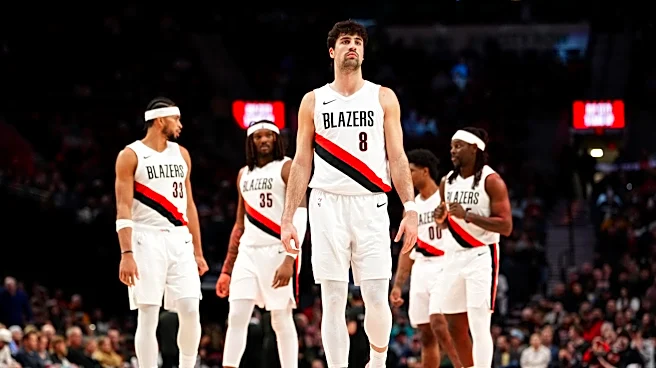


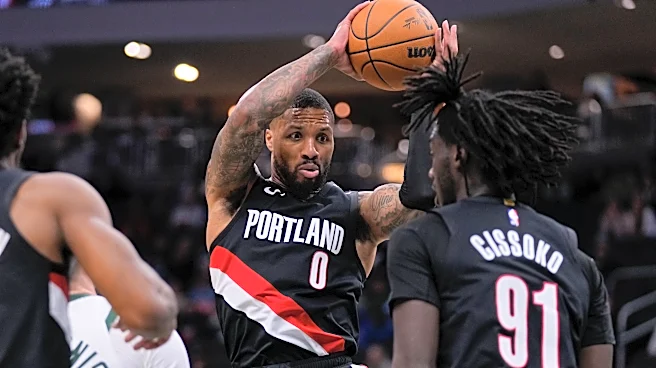
The Portland Trail Blazers are in the midst of an offensive renaissance through the first 15 games of the NBA season — thanks, in no small part, to the return of franchise legend Damian Lillard.
In a great feature piece published Thursday morning for Yahoo Sports, Senior Writer Dan Devine wrote about the storybook elements of Lillard’s return from a devastating torn Achilles, while also diving into the numbers to demonstrate how a different version of Lillard has taken the court this season. With
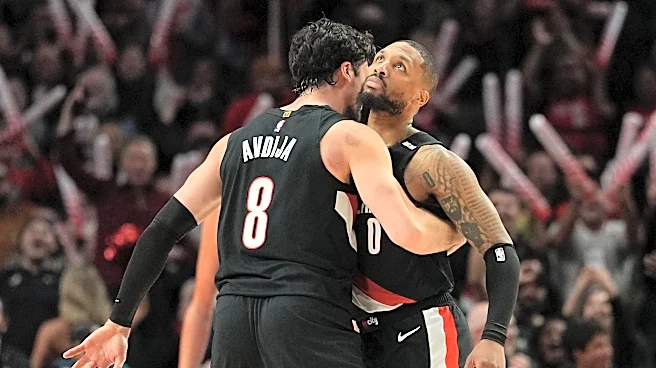
offensive weapons like All-Star Deni Avdija to share the ball with now, Lillard has adapted to a scaled-d0wn, more complementary role that still packs a punch, Devine explained.
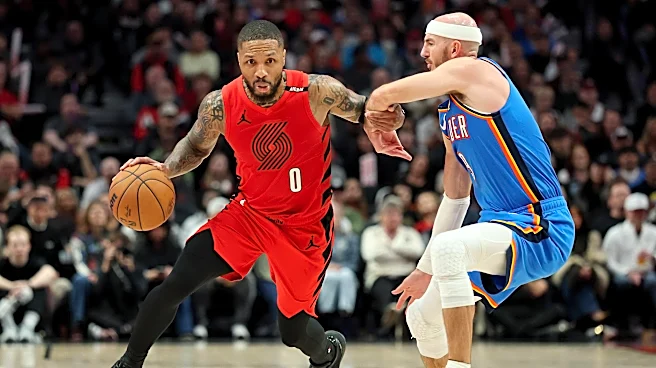
He is finishing 27.7% of Portland’s offensive possessions with a shot attempt, foul drawn or turnover — his lowest usage rate since 2014-15, when he was setting up LaMarcus Aldridge. His on-ball percentage — literally the share of his floor time that he has the ball in his hands — is the second-lowest of his career.
Dame has never averaged fewer touches or a lower time of possession, spent less time operating in the pick-and-roll, or spent more time lurking as a catch-and-shoot option. Just under 19% of the offensive possessions Lillard has finished this season have come while spotting up away from the primary action, according to Synergy Sports Technology’s tracking data — more than twice as much as in 2022-23, the final year of his first stint in the Pacific Northwest.
… Deploying Lillard as a different sort of threat in a smaller-scale role has proven useful to the overall offensive operation for the Blazers, who are scoring like a top-five offense with Dame on the floor — and like a near-top-10 unit when he’s on the floor without Avdija, which were minutes in which Portland’s offense died last season.
Following Thursday night’s win over the Milwaukee Bucks, Lillard is averaging 20.9 points, 4.1 assists and 3.2 rebounds while shooting 40.9% from the field and 35.8% from deep. Although his shooting percentages are low compared with his previous standards, Lillard’s timely scoring and acute offensive attacks have been huge for Portland in key wins this season. Plus, just his gravity alone has opened things up for teammates like Avdija, who is still producing 24.2 points per game this season on better efficiency than last year.
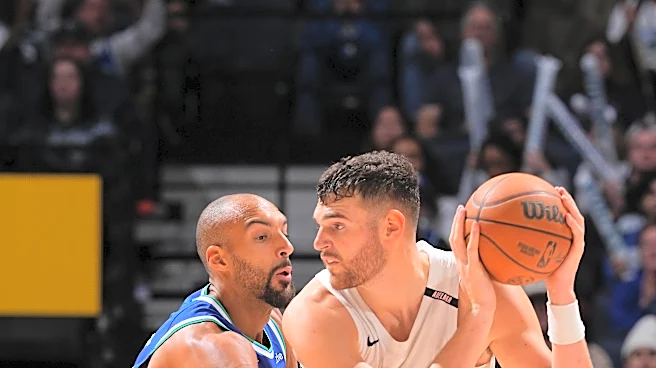
Even with Lillard not quite at the peak of his shot-making powers, his presence opens things up for the rest of the offense. With him on the floor, nearly 53% of Avdija’s 2-point baskets have come via assist — 20 percentage points higher than when Dame sits. The driving lanes that were so often so congested last season are open a bit wider with defenses needing to account for Lillard, who ranks eighth in the NBA’s gravity metric — a stat aiming to quantify “how much a player pulls defenders towards them […] how much attention they draw compared to what the spacing on the floor predicts” — just south of one high-volume superstar scorer in a ball-handling timeshare (Donovan Mitchell) and two designated sharpshooters playing off high-usage primary creators (Klay Thompson, Duncan Robinson).
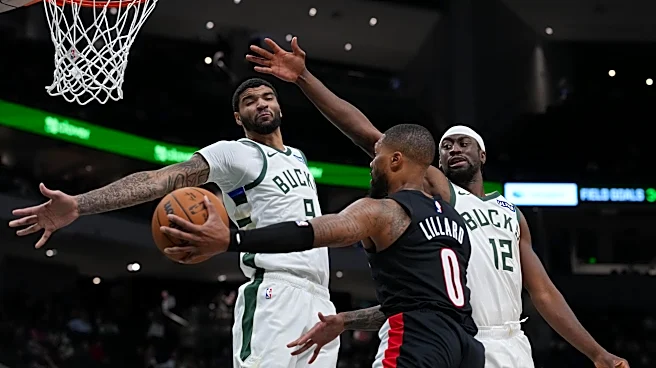
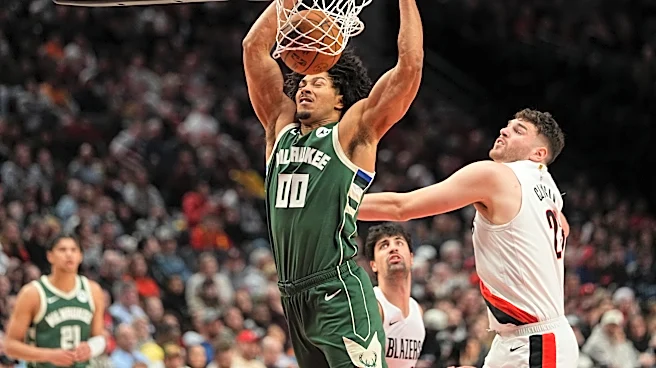
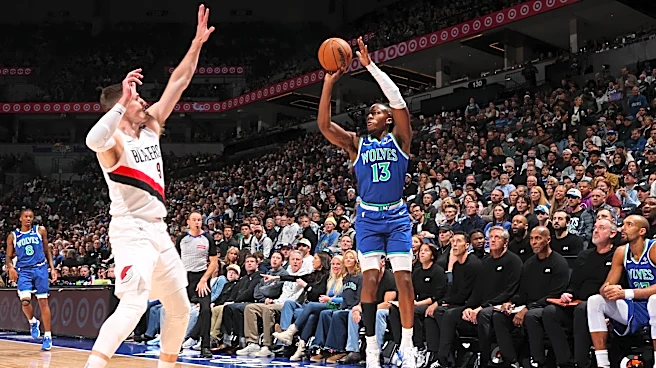
Devine also noted that Lillard is able to scale up his offensive production when required. With Deni Avdija out versus the Minnesota Timberwolves on Tuesday, Lillard took more initiative on his way to scoring 25 points. Then, after Devine’s piece published, Lillard produced a season-high 33 points in the win versus Milwaukee on Thursday night with Avdija out again.
The full piece gets into more, and it’s well worth your time if you’re a Trail Blazers fan. Devine’s extensive stat work validates what your eyes have probably been telling you so far this season: Lillard has adapted to a different role, and it’s to the benefit of the Blazers, who carry the league’s eighth-best offense as of Friday morning.