


In a society overly saturated with sport, we set an almost insurmountably high bar for athletes. It’s a standard that we don’t apply to anyone else, not even our politicians whose votes and policies can alter the course of our future.
But in sports, we want athletes to do everything—and do it perfectly.
They are supposed to endure pain for gain. They can show no vulnerability. They are supposed to smile on demand. When they win, we cheer for them with unadulterated glee. When they lose, we scowl at them and question
their abilities.
And for those once-in-a-generation athletes—Babe Ruth, Muhammad Ali, Michael Jordan, Tom Brady, Wayne Gretzky, Serena Williams, Tiger Woods—they are supposed to be everything to everybody. They’re our saviors. They’ve been sent to us by the sporting gods. Everything they do or say, good or bad, is captured for posterity and can either be used for their betterment or detriment.
Either way, they are left with the impossible task of having to please everyone.
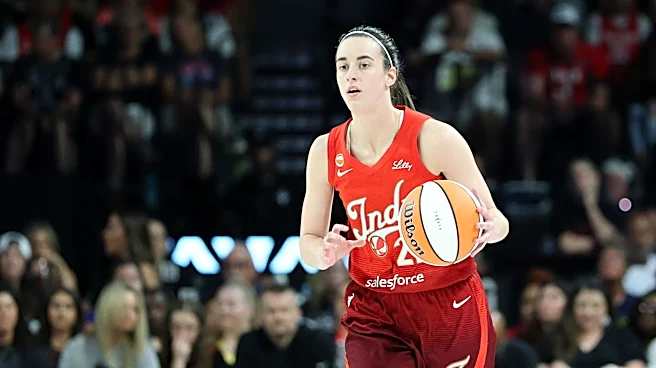
That is the situation that Caitlin Clark finds herself in.
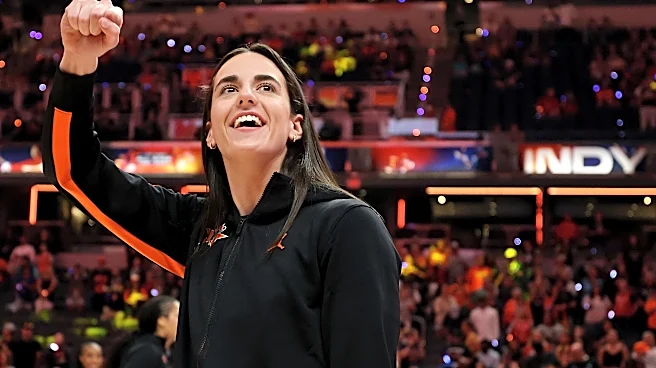
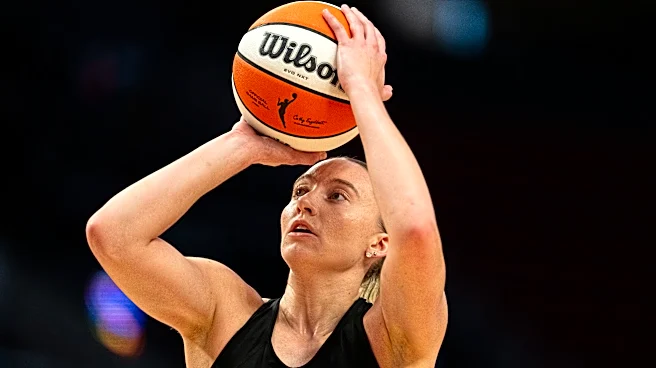
She is that once-in-a-generation icon who has helped to change the face of women’s basketball. From her record-setting days at Iowa to her now-third year with the Indiana Fever, Clark has unquestionably brought in throngs of fans into the sport.
Her now-iconic logo 3s and competitive fire are hard to resist and a joy to watch.
All that has, certainly, brought on an onslaught of praise and criticism, both fairly and unfairly, towards her.
Clark is highly-touted for her skill and competitiveness, but is also chastised for being too chirpy with the referees over bad calls, even as she also avoids technical fouls or ejections for episodes that, normally, would result in such penalties.
Then, off the court, Clark is celebrated for a wholesome image that has traditional, widespread appeal. She also goes out of her way to bring the focus onto basketball and avoid larger discussions around sociopolitical issues. It’s an approach that has been effective for her and, frankly, would better suit everyone, as keeping the focus on basketball would contribute to the enormous popularity the sport is experiencing.
On the flip side, Clark has been called out for not doing enough to combat the vicious hate and harassment being levied at her fellow competitors in the WNBA, particularly Black players like Angel Reese and Alyssa Thomas. Those who purport to be her fans, while claiming to “protect” her, primarily use her as an avatar through which to express hatred toward Black and/or LGBTQ+ players.
When asked about it, Clark says all the right things: Hate has no place. But then, there are those who say she needs to be more specific and call out the hate by name. Admittedly, I would like her to say that.
Then there are those who are adamant that she is a vestige of some nefarious agenda, as was the case with the 11 GOP Congressional representatives who sent a letter to WNBA Commissioner Cathy Englebert demanding they do something about the so-called “abuse” towards Clark, declaring that, if no action is taken, they will bring in the Civil Rights Division of the Department of Justice and the Equal Employment Opportunity Commission to investigate whether Clark is being racially discriminated against.
These politicians, with twisted priorities, would not be considered routine fans of women’s basketball, let alone the WNBA.
Meanwhile, Clark is simply trying to be the best basketball player and person she can be.
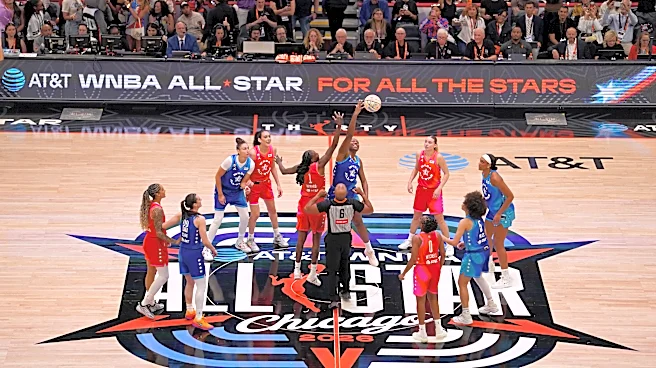
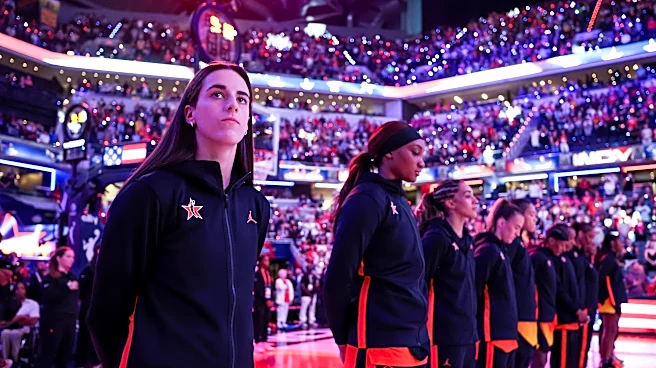
During the WNBA All-Star weekend in Chicago, Clark has been candid as ever when talking about the pressures and stressors of living under a deluge of expectations and all the heightened toxicity that she didn’t ask for.
In an interview with ESPN’s Malika Andrews, Clark addressed media portrayals of her, the incident with Alyssa Thomas and her joy for playing basketball.
“I get people have a job to do, but at the same time, don’t make accusations about my character and who I am when you don’t know me,” Clark said to Andrews in reference to media speculation.
On the Alyssa Thomas incident, she explained:
It seems like there’s always a moment like that in every season that I’ve played so far. And I think for myself, like I just try to navigate it the best I can. It gets exhausting. It gets frustrating…That’s a perfect example of like yeah, it was a hard foul and it should have been dealt with in the moment and they should have decided what it was then and reviewed it. Great, we move on. You see it happen in the NBA all the time. It’s not anything more than that. It’s basketball.
When I walk out of the locker room, I shouldn’t be fearful of what the conversation is gonna be…it’s emotionally exhausting. It’s draining. It makes your shoulders tense. Because, you know, people don’t wanna talk about the basketball. They just wanna stir it up…
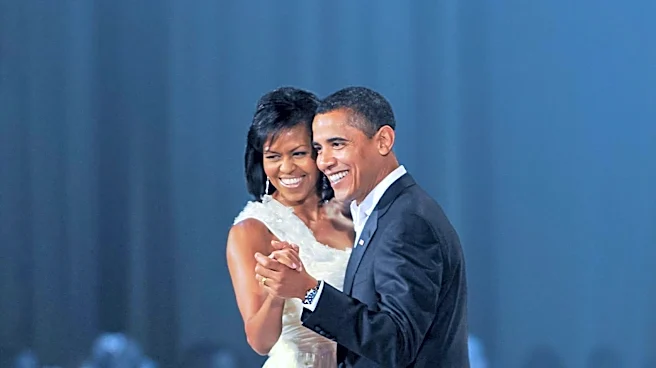
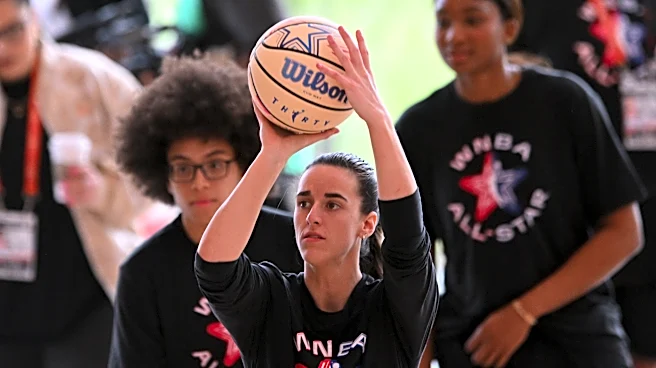
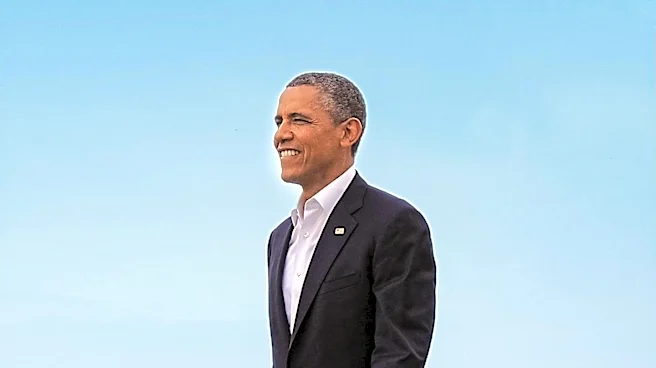
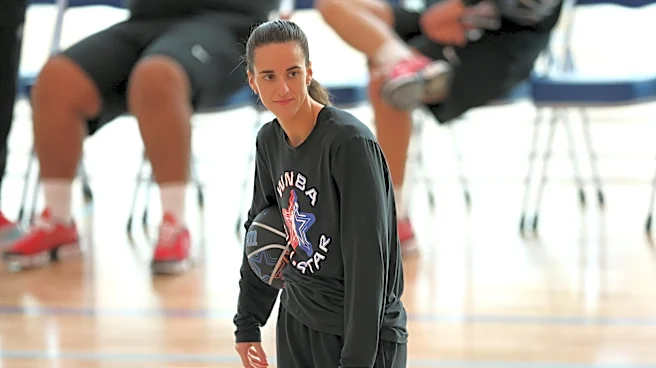
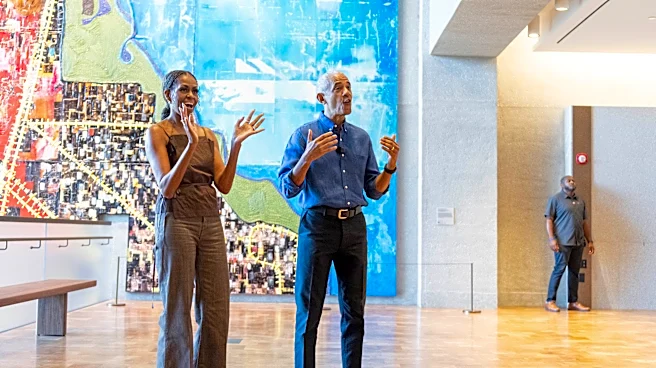
At WNBA All-Star practice at the Obama Presidential Center in Chicago on Friday, former President Barack Obama offered sound advice for Clark on how to handle the spotlight.
“Don’t lose that joy. The game’s like the game. And you’re a hooper…you’re always hooping. And you are on a nice little run right now.”
If anything, this WNBA All-Star weekend has given us ample time to recognize that, indeed, Caitlin Clark is a 24-year-old young woman who loves what she does, is excelling at it and just wants to better herself.
It’s everyone else that is unnecessarily muddying the waters and making her job—and everyone else’s in the WNBA—more difficult than it should be during this period of historic growth.
Caitlin Clark is not anyone’s political spokesperson. She’s not a damsel in distress. She is not perfect, but she is like the rest of us: practically human in every way.