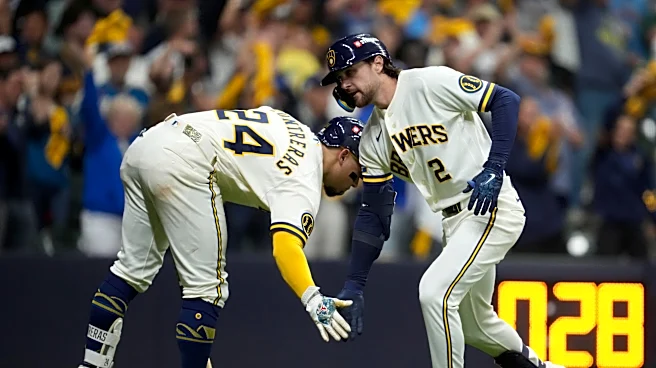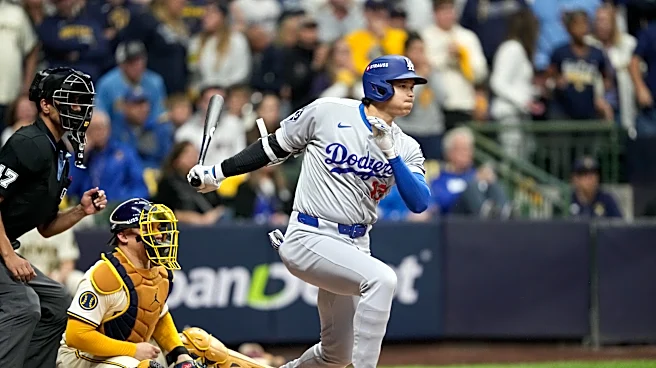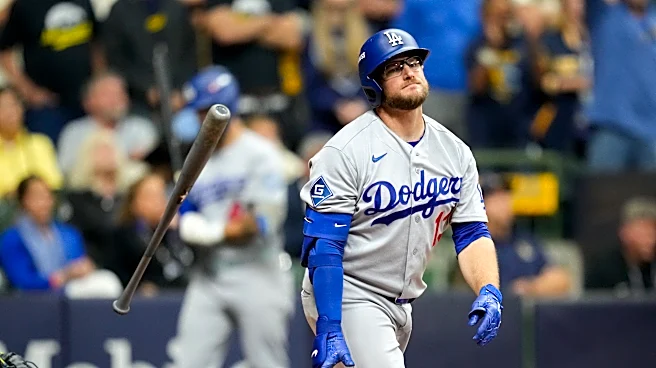

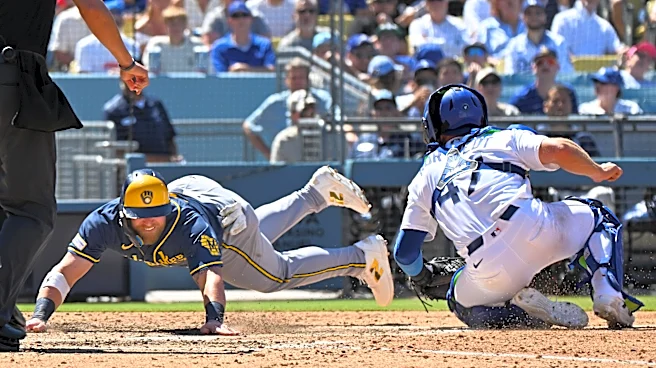
The promise of a low-scoring game was fulfilled in the NLCS opener, as the Brewers needed only a pair of runs to improve on last postseason’s outcome, having been swept by the Dodgers the last time out. There was plenty of frustration to go around for the Dodgers offensively—especially so considering how effective they were in getting Jacob Misiorowski out of the game early, which ties into the glass-half-full outlook they can take from this loss in what always felt like it was going to be a complicated
series.
Through nine innings of Game 1 against the Brewers, the Dodgers offense reached base safely more often than it did in any of the three wins against the Braves in the NLCS. Combining walks and hits, the Dodgers got on base 13 times, including seeing at least one hitter reach base in eight of the nine frames.
This traffic amounted to next to nothing because the issues with runners in scoring position carried over. And unlike in the series against the Braves, the Dodgers’ power was nowhere to be found, as all of their seven hits were singles. Nevertheless, the Dodgers could’ve easily had a better scoring output without power if not for timely double plays that the Brewers relied on to end not one, not two, but three separate innings—most notably getting out of a bases-loaded situation in the second.
As frustrating as this performance might have been, to be this threatening so often against the best the Brewers have to offer could easily be seen as an encouraging sign. Focusing specifically on the power or lack thereof, regardless of how phenomenal the Brewers’ pitching is, this lack of thump was most likely a one-off scenario for an offense that has more than nine hitters capable of punishing a mistake. It’s extremely plausible that the Dodgers’ offense will do more with less before this series is over, maybe as early as Game 2.
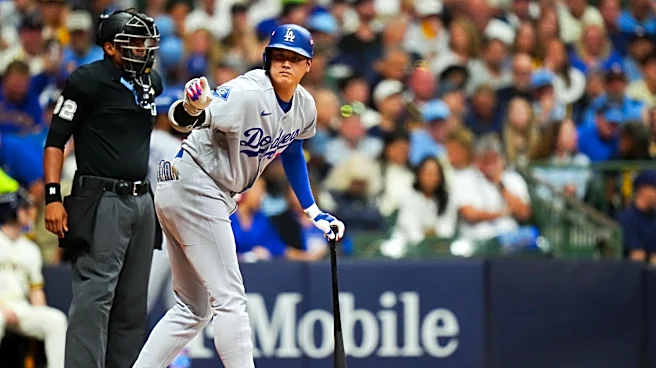
Moving on to specifics, with Shohei Ohtani getting his occasional hit here and there, Will Smith has been left holding the bag as the core piece most struggling in this current version of the Dodgers’ offense. Smith was one of the few starting hitters in this game who didn’t record a hit, but he did, however, hit the ball hard in all three of his at-bats with nothing to show for it. The Dodgers’ most disappointing hitter of the regular season, Kyle Tucker, looked locked in, and although he also didn’t record a hit, the quality of the at-bats was impressive—including a couple of walks against Jacob Misiorwoski and Trevor Megill.
Dave Roberts’ respect for the Brewers’ relievers was evident in his lineup construction with a righty/lefty approach one through nine. In that spirit, potential impact off the bench might be key, and there was promise in it as well. Josue De Paula was once again asked to take a key at-bat late in a playoff game and delivered his part. The young outfielder pinch-hit for Kiké Hernández in the ninth with Trevor Megill on the mound, and he helped get the tying run in scoring position by working a two-out walk, ultimately stranded on a Mookie Betts flyout. The ability to rely on a patient hitter of his quality off the bench adds a layer of danger to this offense.