

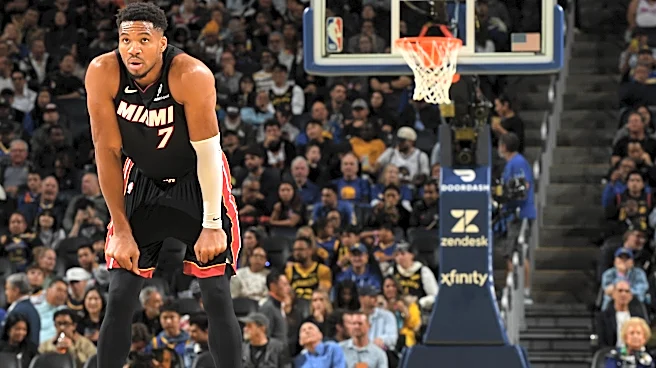
Welcome to SB Nation Reacts, a survey of fans across the NBA. Throughout the year we ask questions of the most plugged-in Bucks fans and fans across the country.
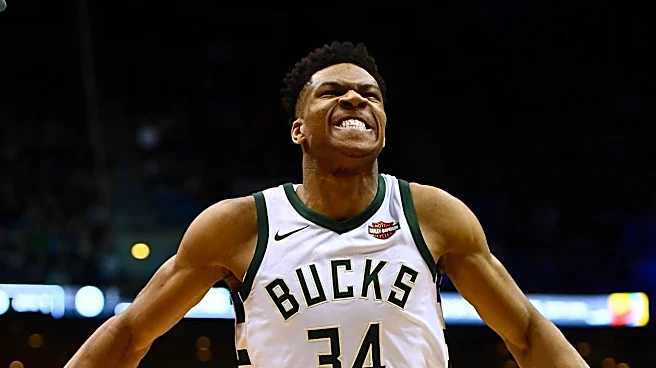
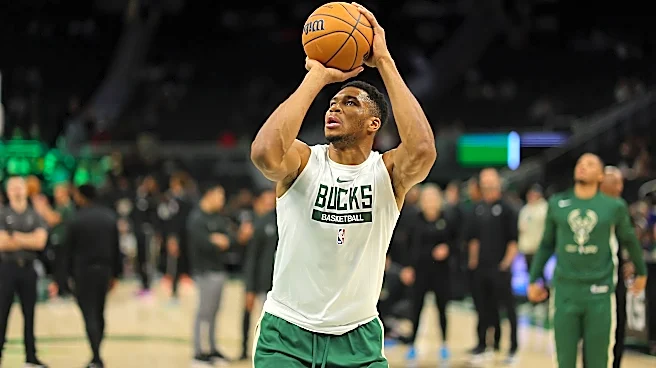
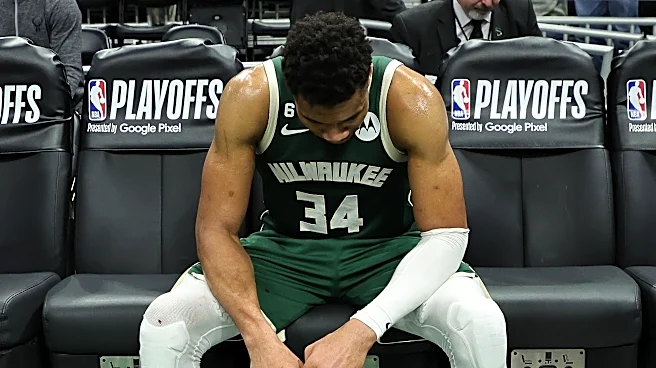
The old adage proclaims that the team that gets the best player wins the trade. By that logic, the Miami Heat are the clear-cut winners in the trade that sent Giannis Antetokounmpo and Bobby Portis to the Heat in exchange for Tyler Herro, Jaime Jaquez Jr., Kel’el Ware, Kasparas Jakučionis, and picks, including the 13th-overall selection in this
year’s draft, which ended up being Nate Ament. But is it all that simple?
Team Performance
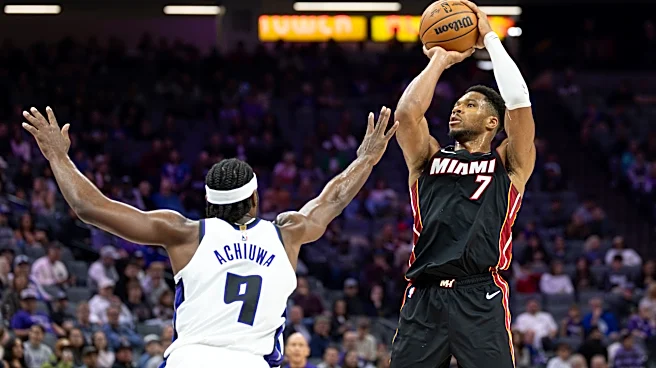
Miami traded for Giannis on the basis of winning now. Three weeks into the season, that’s not really happening, with the Heat going 4-6 and sitting eighth in the Eastern Conference standings (moving up after a narrow win over the Sacramento Kings last night). Moreover, the Heat were billed as a defensive-juggernaut-to-be, yet that reality couldn’t be further from the truth. At this point of the season, the Heat rank 26th in defensive rating (116.8), 27th in opponent points per game (121.1 PPG), and 28th in opponent field goal percentage (48.8%). Their defensive struggles aren’t lost on head coach extraordinaire Erik Spoelstra, who said as much himself:
We’re losing games because of our defense. That has to be our 1st, 2nd, and 3rd priorities. Everything else we’ll start to make some progress.
Others, including ESPN’s Brian Windhorst and Tim MacMahon, have noticed too:
Of course, the Milwaukee Bucks have their own problems—plenty of ‘em, including being too nice—and, despite being in most of their games thus far, find themselves sitting just 1-9 and in last place.
Player Performance
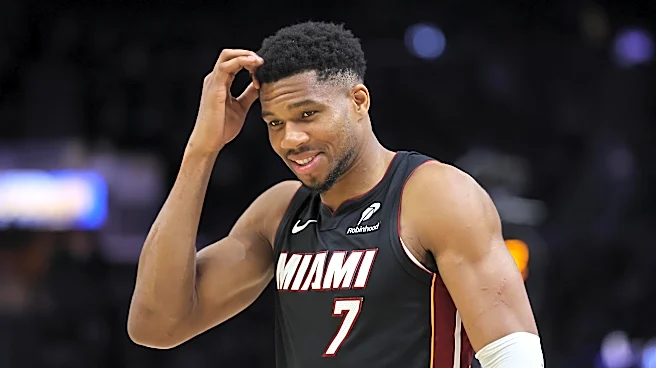
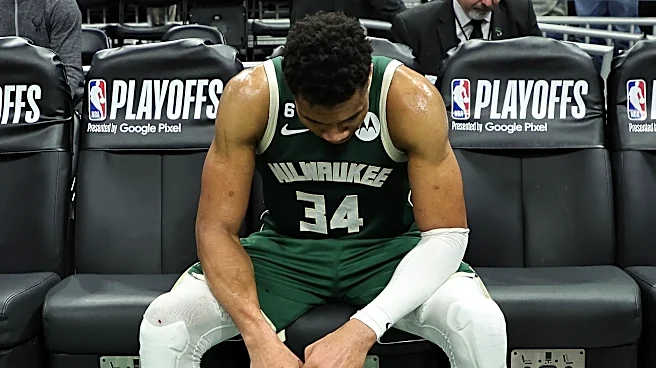
Individually, Giannis has put up similar numbers to what he did for Milwaukee: 27.5 PPG, 12.8 RPG, 5.3 APG, 1.0 SPG, and 1.1 BPG. However, he’s suddenly copping a lot more criticism in the media—a “perk” for requesting a trade to a big market, perhaps. Most notably, former coach Doc Rivers spoke about how Giannis is “not easy” to coach, while former player Nick Young was downright abusive of Giannis on Gil’s Arena. Manner aside, both of these point to game-style issues that have long been known, at least around here. Portis, meanwhile, is struggling to find his groove in South Beach, averaging just 7.0 PPG and 6.3 RPG on .371/.325/.714 shooting splits.
Closer to home, the Bucks’ recruits have been a mixed bag. Herro has been great, air-frying his way to 21.4 PPG, 4.6 RPG, and 4.3 APG and providing rare veteran stability for a young team trying to figure things out (including how to go from competing to winning). Jakučionis has shown strong glimpses, as has Ament, who is likely ahead of the curve many projected for him. Jaquez has also been a positive, arguably playing the best ball of his career, although his long-term tenure on the team is anything but guaranteed having not come to terms on a rookie-scale extension. Then there’s Ware, who many saw as the prize acquisition and a potential breakout candidate, but who has been underwhelming to say the least, exhibiting many of the concerning habits that came to light during his time in Miami—and who seems to be finding a home in Taylor Jenkins’ doghouse.
The End Goal
For Miami, the goal of the trade is clear: win a championship. Pat Riley owned this, saying “We are here to win. Giannis wants to win. Our plan is to go for it right from the beginning.” Giannis did too:
This puts a premium on the present. But if the Heat aren’t contending this year, then there’s a helluva lot of pressure to win next year—when Giannis will be turning 33—otherwise it might just be too late. For at least one fan, this pressure, not to mention the impending contract pressure when Giannis’ extension options become more lucrative in January, is not missed.
For Milwaukee, the play is obviously long term. Bereft of many (any?) real assets prior to the trade, this was a chance for the Bucks to build anew. And, fingers and toes—and anything else you can—crossed that the Bucks aren’t punished for the Gary Trent Jr. deal, they are in a better position to build than they would have been rehashing the same plan as yesteryear. Right?
So, three-or-so weeks into the season, now that we’ve seen how the acquisitions and teams look, how do you evaluate the trade?
Let us know your thoughts by voting below—and don’t forget to explain your reasons in the comments.