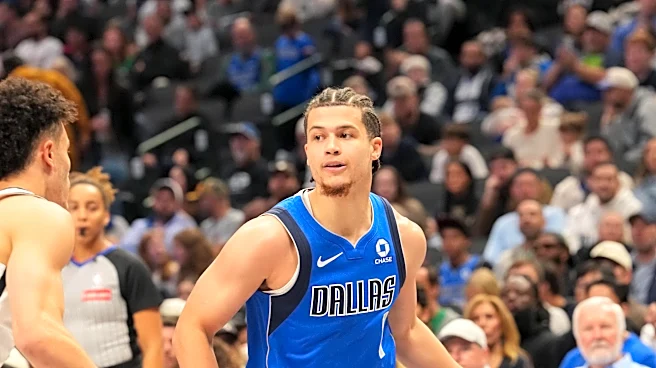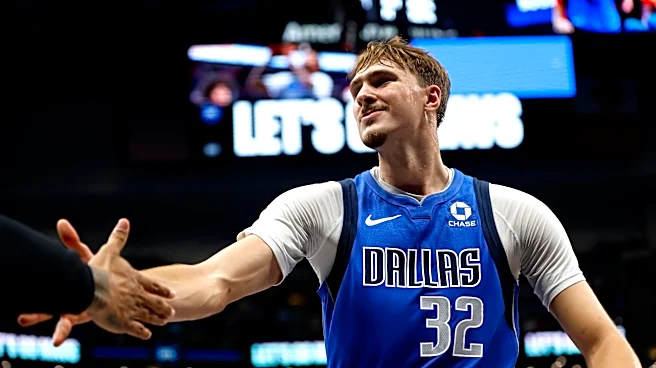





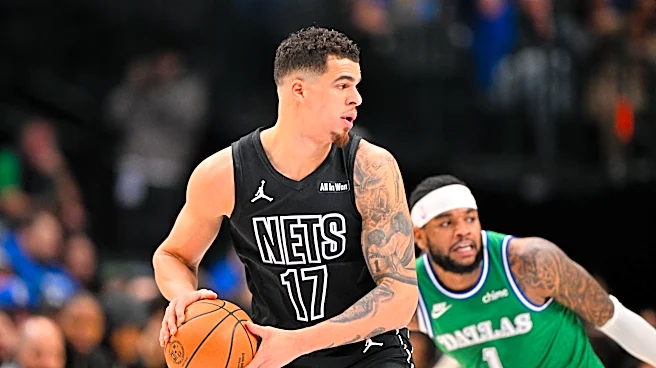
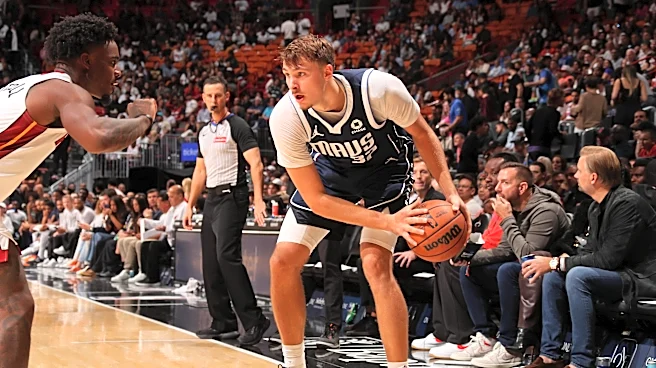
Cooper Flagg has been playing angry in the Dallas Mavericks’ last two wins. But at least the team has prevented the second-year star from getting hangry. You wouldn’t like Flagg when he’s hangry.
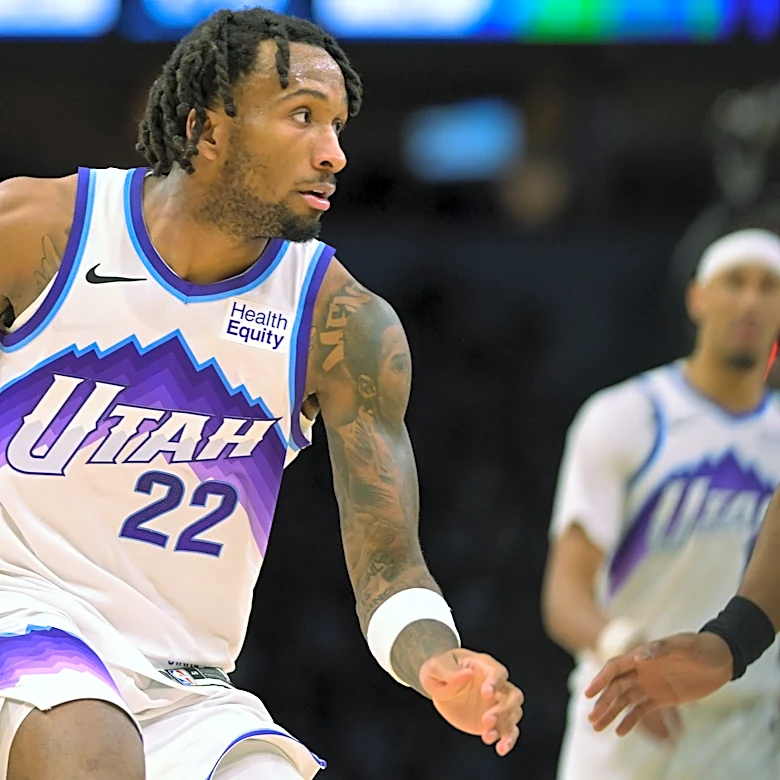
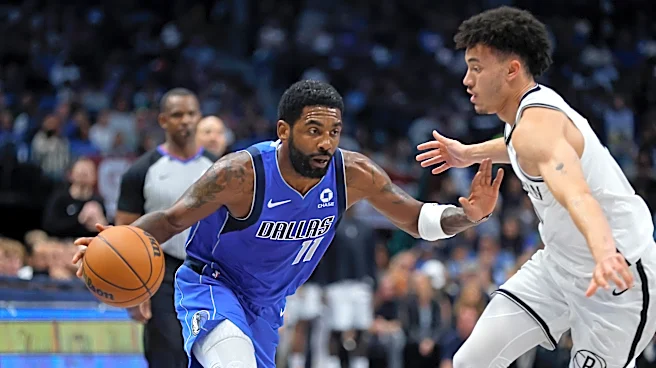
Late in both Friday’s 112-100 win over the Utah Jazz and in Sunday’s 130-93 blowout over the Brooklyn Nets, Flagg could be seen on the bench as things wound down, snacking on a peanut butter and jelly sandwich.
And leave it to the intrepid Dallas sports media apparatus — when they spot a trend, they pounce
with all the aggression of a rabid dog. No angle goes unnoticed around here.
So, naturally, Flagg answered questions about his emotional support PB&J after Sunday’s win. He gave an enthusiastic nod as the question was being asked about a “second straight in-game PB&J.”
“Listen, I want to give a shoutout to our strength staff, our medical staff,” Flagg said. “They’re the best in the business. I’m trying to put on some weight — keep gaining muscle, so there are some requirements I’ve got to meet, so I’m just trying to stay ahead of it. We’ve got another game [on Monday], so just trying to get my calories, stay ahead of it and be ready for another one tomorrow.”
He also confirmed that the jelly in question was grape flavored, and the peanut butter was of the smooth variety. Let’s get real. He’s not a savage.
So let’s break this down. Depending on weight, minutes played and how aggressively they move on the court, an NBA player can burn 900-1,800 calories over the course of a single game. Larger, heavier players (like Flagg, despite your opinion of the second-year star’s frame at 6’10”, 228lbs) burn toward the higher end of that range.
As such, sports dietitians generally advise heavier full-time athletes to consume anywhere from 4,000 to more than 7,000 calories per day. One peanut butter and jelly sandwich on white bread can account for somewhere in the neighborhood of 350 to 500 calories.
Flagg was listed at 205lbs entering his rookie season. He’s now listed at 228lbs. Considering all the full-court basketball he’s played in the meantime, that’s one hell of a lot of PB&Js along the way.
So, what does Flagg’s effort to make weight say about the Mavericks’ chances in a suddenly wide open Western Conference? That he sees an opening, and even in the early part of a breakout second season, he’s actively adding to his game because he doesn’t see himself as a finished product.
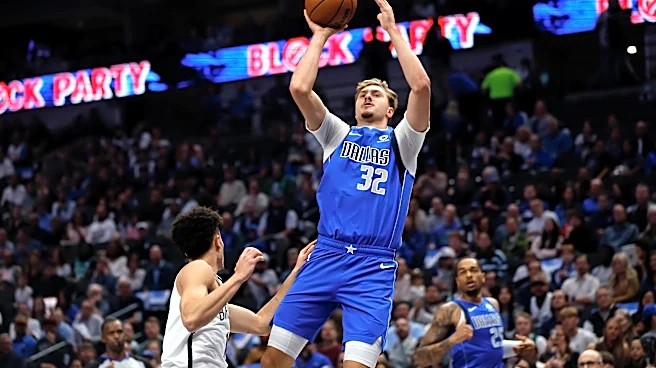
Fans may be looking for Flagg to take the next step with his outside shot, and for the record, he made 3-of-5 from 3-point range on Sunday against the Nets, but he’s working on those GAINS. Flagg has increased his scoring (in an admittedly small sample size) so far this year from just over 21 points per game to just over 23 points per game. He’s largely accomplished that by getting to the free-throw line a ton more.
Last season, he shot just over four free throws per game. This year, he’s getting to the free-throw line more than seven times per game. In one of the Mavericks’ first games of the year, color commentator Devin Harris said he’d like to see Flagg increase his free-throw rate to somewhere in the neighborhood of 8.5 per game, which would put him near the top of the league, if you’re looking at last year’s leaders in that category.
Getting stronger is always a great idea, especially when you’re 6’10.” Flagg has already shown an increased ability to bang inside through the first 10 games of the year. Being able to go both over and through defenders in the lane will increase Flagg’s ability to finish inside, which will, in turn, improve the team’s efficiency in the lane.
In a Western Conference that looks more wide open this season, every little advantage gained becomes a bigger deal.
Keep snackin’, Coop.