






On Thursday the Collective Bargaining process took another step with the second part of MLB’s proposal to the players’ association (MLBPA). After proposing a hard salary cap and a hard salary floor in their initial proposal, MLB addressed the international and domestic draft in their addendum to their first step.
In the negotiating meeting between the two sides, MLB again outraged the MLBPA with their proposal to eliminate all high school-aged players from the domestic draft and require all players to be 20
years old by Sept. 1 of their draft year to qualify.
The international player market has grown increasingly corrupt, with everyone breaking the rules and many young players paying the price for the benefit of teams. The new proposal by MLB would institute a draft with set rules and binding commitments.
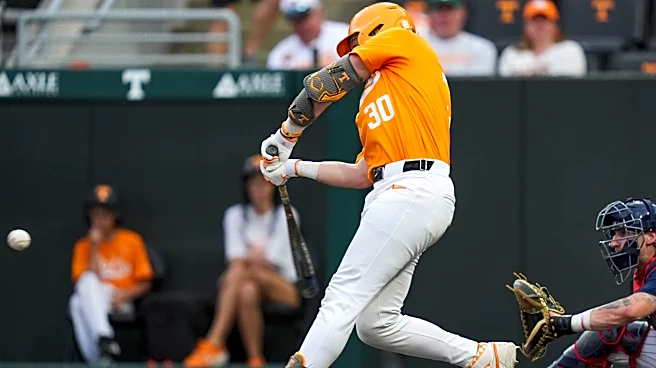
The “amateur” baseball landscape at the college level has changed drastically since the onset of NIL agreements, with the waters now muddied with decisions regarding school versus professional-level competition and the money involved.
It doesn’t appear that the MLB negotiators are making any attempt to soften the blow to the MLBPA with the wide-ranging and massive changes being proposed. It seems that every step taken so far has served to widen the gap between what baseball executives/owners want and what the players want.
The major points of the new proposal by MLB
- High school players will not be eligible for the domestic draft. All players have to be at least 20 years old (before Sept. 1 of the draft year) or two years removed from high school graduation.
- The domestic draft would be shortened from 20 rounds to 12 rounds, and the bonus pool would be capped at $200 million (currently approximately $360 million). The draft positions would be hard-slotted for each player.
- An international draft would be instituted for all players outside of the US, Canada, and Puerto Rico. It would consist of 12 rounds and a $200 million bonus pool. The minimum age for the international draft would increase from 16 to 18 years old.
- All draft picks can be traded but only for the following draft and no team would have back-to-back first-round picks.
- Undrafted players can only be given $10,000 max as a bonus.
- Elimination of the competitive balance picks in the draft.
- Reduction of the draft lottery from six teams to four teams.
- There would be no cuts to the minor leagues in 2030 when the current licensing agreements expire.
College baseball takes on a mandatory role
This change would require that college baseball become the first step in player development, replacing the work the teams have done to develop high school-age players themselves. There would no longer be the opportunity for teams to buy teenagers out of their college commitments and indoctrinate them into their own systems.
MLB stated its purpose in making such wholesale changes to the present system:
“By creating a draft system centered around college-aged players and making most college players eligible one year earlier, more players will benefit from both a college education and an elite development environment while reaching professional baseball — and ultimately the major leagues — more quickly. We believe these changes will strengthen college baseball and deepen fans’ connection to the next generation of major league stars.”
This would push back the debut age for the most precocious players and delay the age at which they would be eligible for larger contracts. That is undoubtedly the purpose of requiring players to be older when entering the system.
The other point is that college teams are motivated to win for financial reasons of their own and their management of the players might not align with the best interest of the player or the major league organization that wants to draft them. It seems risky to leave all their future highest-level talent in the hands of college coaches.
International player pool control
Latin American amateur baseball has many problems associated with corruption. Although players can’t legally sign before the age of 16, organizations begin scouting as early as 10 or 11. They offer the families early, handshake deals at 12 and 13. Many of these players leave school early to work with trainers who showcase them to the scouts and some use steroids to accelerate their development. Trainer-arranged age fraud and skimming from their future bonus in exchange for help is also common.
The draft would definitely limit the illegal activities taking place outside of MLB control but the MLBPA has not historically been in favor because any draft limits the freedom of where a player wants to sign. This was part of the previous CBA proposal and was never included when the two parties couldn’t agree on a compromise.
The union response
The MLBPA rejected the proposal publicly on Thursday:
“Today, MLB made another set of proposals that are flat out bad for baseball, ones that would cripple the next generation of players and damage the future of our game. They would, among other things:
• Eliminate over a billion dollars in player compensation from the international and domestic system over the next five years, with a $400 million reduction from 2026 to 2027 alone.
• Destroy fundamental player rights and remove talent from our sport by barring high school and junior college players (anyone under age 20) from the domestic draft.
• Abolish an entire year of international signings by delaying the first draft until at least September of 2027 (and as late as March of 2028), denying young international players the ability to start their professional careers.
Players remain committed to bargaining in good faith and leaving baseball better than they found it – the league’s proposals fall woefully short.”
So far, we haven’t seen much that the two sides could agree on. The negotiations are ongoing, and the two parties have until Dec. 1 to reach an agreement before the current CBA expires. There will likely be more updates to come with the release of further counteroffers and proposals.