
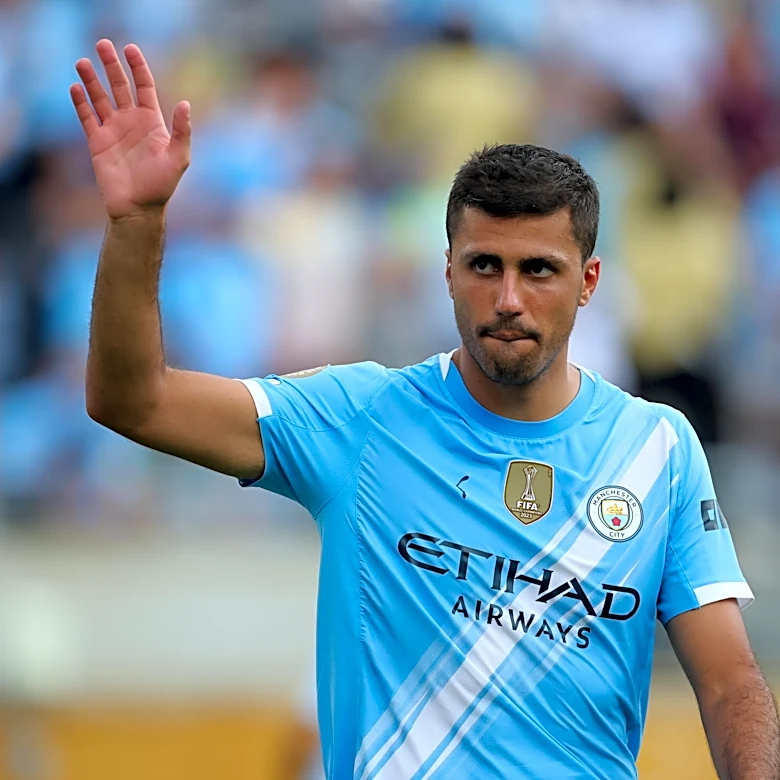
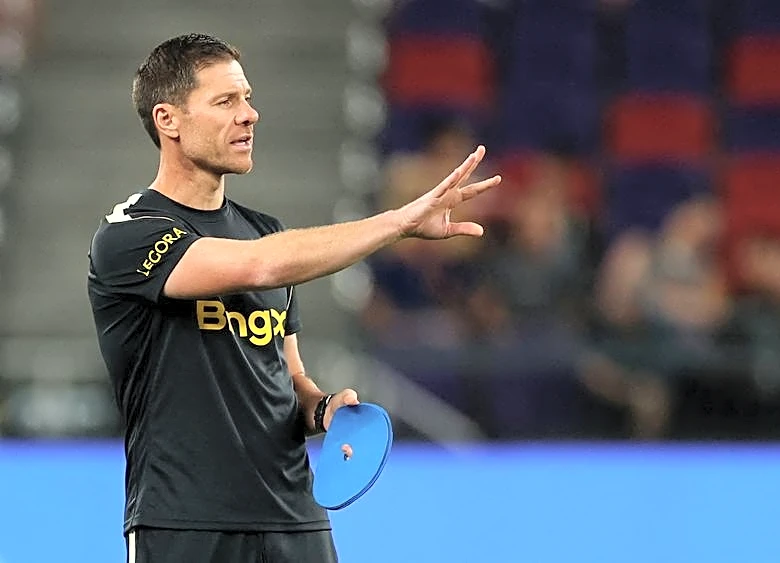

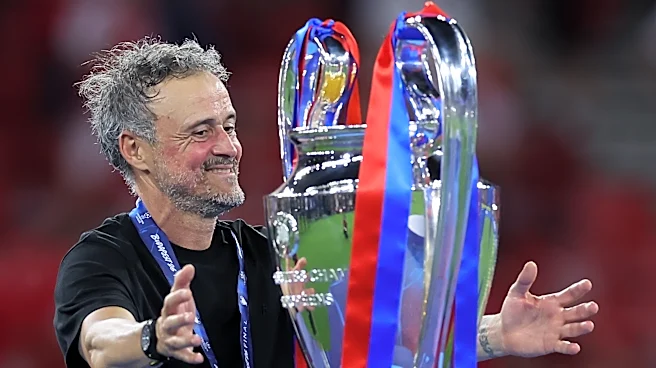
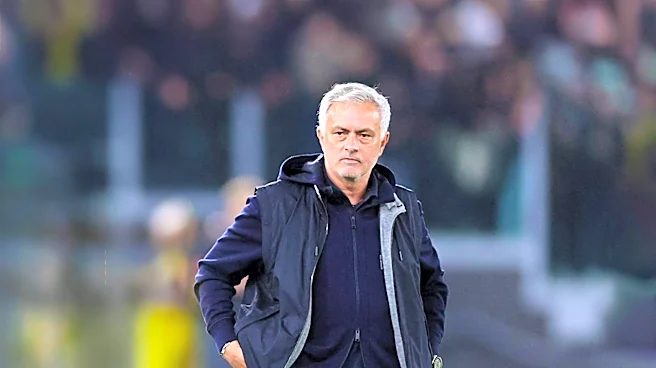
It may be a bit rude of ESPN to interrupt our countdown season with its own ranking, but we’ll give the self-professed “Worldwide Leader in Sports” a pass this time. While we’ve spent the past week and a half sorting through Roma’s brightest U-23 prospects, ESPN decided to focus on the men on the touchline, ranking the top 30 football managers in the world.
Compiled by Tor-Kristian Karlsen, a Norwegian football scout and former chief executive and sporting director at AS Monaco, the initial list of
50 candidates was whittled down to 30 based on the following criteria:
• Coaching acumen: The ability to apply coaching principles to a match setting, physical preparation and in-game management.
• Style: The attractiveness of the footballing style. Entertainment value is paramount here, as is a manager’s capability to dictate the proceedings of a game in a proactive (as opposed to reactive, i.e., play on the break) manner. An attacking style will produce a higher score.
• People management: Motivational skills and the capacity to get maximum performance out of a squad. The degree to which players respond to and “play for” the manager.
• Communication: A manager’s ability to instill trust in their “project” internally, to club directors and players, and to the outside world (media, supporters). Their expertise of conveying a message clearly through well-chosen words and PR skills. This also extends to in-game and touchline behavior, including manager’s attitude toward officials, colleagues and players.
• History/achievements: Success and results. Though trophies are the main currency of achievement in football, other accomplishments such as winning promotion, getting teams out of relegation trouble, taking unlikely teams into Europe or overperforming despite minimal resources count, too.
• X factor: Ability to surprise and come up with new ideas. The likelihood of being considered for top jobs in the future. The resilience to bounce back from a poor run of results.
Starting with new AC Milan manager Ruben Amorim at 30 and ending with our old friend Luis Enrique at number 1, the list includes many names familiar to Giallorossi supporters, including Paulo Fonseca (27), José Mourinho (24), and a few current and former adversaries, including Cesc Fabregas (15) and Antonio Conte (13), to name a few.
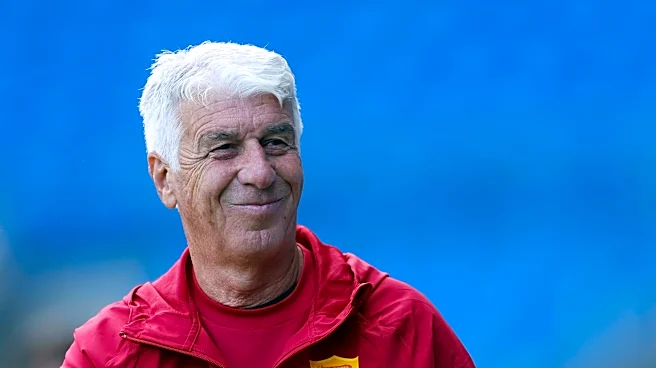
On Gasperini, ESPN noted his achievements at Atalanta before praising his intense style of play:
Coaching acumen: 17/20
Style: 15/20
People management: 15/20
Communication: 14/20
History/achievements: 6/10
X factor: 5/10
TOTAL: 72/100Few can match Gasperini for stability and lasting impact. In a nine-year spell, he transformed Atalanta into a real force in Italian football, leading them to repeated Champions League qualification and their first major silverware since 1963 in the 2024 Europa League.
Gasperini has very demanding standards in training, likes to play a high defensive line that relies on pressing and positional rotation in a fluid 3-4-3 formation, and champions both the intensity and mental resilience of his side. Last season, despite his reputation for attacking play, Roma conceded only 31 league goals — Serie A’s second-best record — and when his side struggled to score early on, he dug deep into his vast knowledge of the game by working tirelessly on attacking movement and gave his midfielders more freedom to push into the box. The January arrival of Donyell Malen also helped, as the Dutchman scored 14 goals from the final 18 games.
Ranked directly above Gasperini were Unai Emery (5), Hansi Flick (4), Mikel Arteta (3), Pep Guardiola (2), and Luis Enrique (1). So, what do you think: Did ESPN nail it with their top 30? Was Gasperini ranked too high or too low?