
Although many Americans get the day off (respect to all in the retail, service, and other industries who don’t), Labor Day got its start in the ugly days of the Industrial Revolution, when days off were practically unknown. I don’t know if The Jungle by Upton Sinclair is still making the rounds as assigned reading, but that’s a book that still occasionally sneaks into my nightmares, especially when the factory employee (a child) accidentally gets drunk, falls asleep, and is devoured by rats. Although the book is fictional,
it’s based on Sinclair’s work as an investigative reporter in Chicago, using extensive interviews and even undercover work where he passed as an employee simply by carrying a lunch pail to various workplaces.
Baseball’s Coming Civil War Is Nothing New
Let’s not think this was only one industry, or one city; American corporations everywhere mercilessly took advantage of their workforces. Working every day of the week for 12 hours each day was the average at that time in America. Although some states restricted child labor, kindergarten-aged kids often worked on factory floors, and in slaughterhouses and mines.
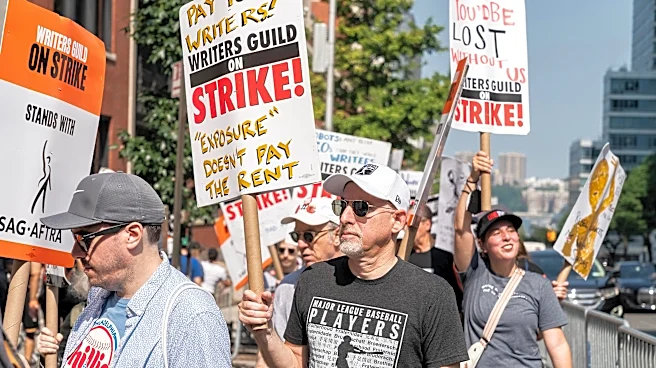
It’s probably no surprise that unions began organizing rallies and strikes to protest unfair, unsafe, and unhealthy conditions. In fact, Labor Day happens at the beginning of September because 10,000 workers in New York City organized a protest march on September 5, 1882.

But Labor Day didn’t become official then. It was born 12 years later, in 1894, when employees of the Pullman Palace Car Company, which made sleeper cars for wealthier rail passengers, went on strike. Their wages had been cut by about 25% but that wasn’t all: they lived in a town called Pullman, just outside Chicago, which was owned by their employer, George Pullman. They lived in houses he’d built, which they rented from him. They paid him for utilities; they bought their groceries from his stores, which he owned and stocked. After reducing their already-low wages, Pullman kept all other costs the same in his town and was seemingly prepared to let his workforce starve. The Pullman employees did the only thing they could realistically do and went on strike. In solidarity, other rail employees boycotted Pullman cars, refusing to hitch or unhitch them. Train travel and commerce effectively ground to a halt. The federal government escalated tensions by sending in troops. The backlash over the stalled trains and deaths that resulted from the troop deployment prompted President Grover Cleveland to establish Labor Day as a federal holiday almost immediately, as an olive branch to American workers.
Modern Labor Activism
Let’s jump in time and come closer to home: the movie 9 to 5, made in 1980, was inspired by a labor union in Boston. In the 1970s, a union called 9to5 formed in Greater Boston; it was made up of female employees working in what used to be called the secretarial pool of their various companies. These women didn’t have pensions like their male coworkers, weren’t considered for promotions, regularly dealt with sexual harassment, and discovered that a group of employers had colluded to fix wages across the region (illegally, of course). Jane Fonda heard about their work and set about making a movie, using the same kind of humor that the Boston union had already made famous to draw attention to these overlooked workers. While the film featured three stars—Fonda, Lily Tomlin, and Dolly Parton (RIP and bless her heart)—its official trailer makes it clear that it isn’t a female buddy comedy; it has something to say about (women’s) labor in America.
There have been many labor developments since then, but unions often still occupy an uneasy and contentious place in American life. When I worked at Trader Joe’s, managers actively warned us not to talk about unionizing (shame on them; this is illegal). Starbucks remains famously anti-union.
But this isn’t a column about labor history; it’s about baseball.
Maybe you can see where this is going: Major League Baseball is in a labor dispute right now.
Right now, as we might sleep late, plan barbecues, run back-to-school errands, or trudge into work anyway, the clock is ticking. The calendar is moving inexorably toward the December 1 deadline when the current Collective Bargaining Agreement (CBA) between MLB and the players union expires. CBS Sports has gathered some context plus the latest updates.
This is probably more than a labor “dispute”—more like a labor war.
Of course, there are a few choices here. One is to reach an agreement before the current CBA expires, and in that case, business would go on as usual. Another option would be that the CBA expires but MLB and the union agree to operate under the old CBA as negotiations continue in good faith. The WNBA recently did this. Or, the owners could lock out the players immediately upon expiration of the CBA, at 11:59 PM on December 1.
A lockout is the expected outcome.
To be clear, this isn’t a strike, which is initiated by the workers as a protest of working conditions. This would be a lockout, when the employer tells the employee to stop coming to work.
“I would be shocked if they didn’t do a lockout when the agreement expires…[It’s] almost guaranteed.”
Interim MLBPA Executive Director Bruce Meyer, to The Detroit Free Press in March 2026
This is sad, and it isn’t certain yet. But let’s not pretend this is new to labor in America.
There’s way too much to get into on the last weekend of summer, way too much for one short article.
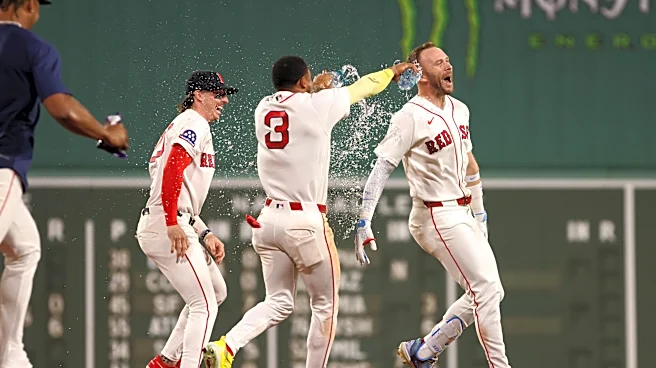
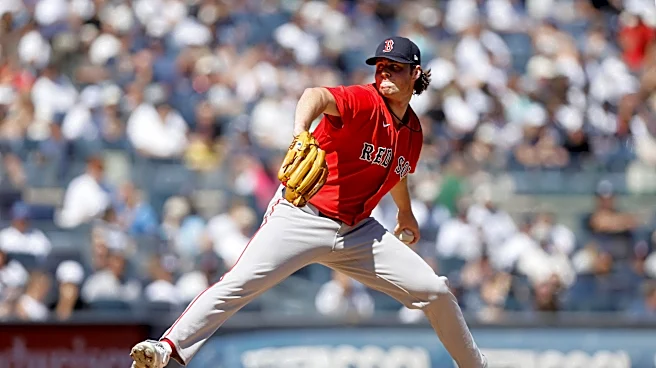
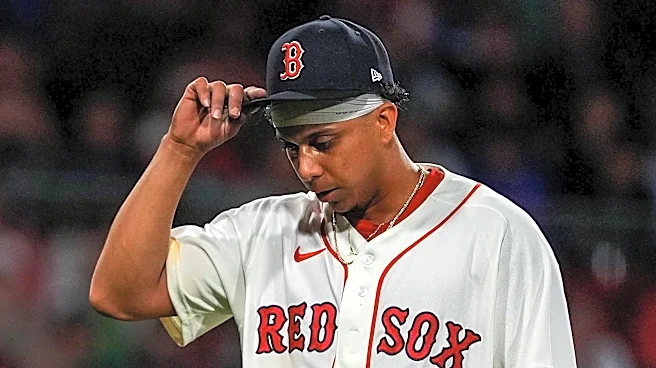
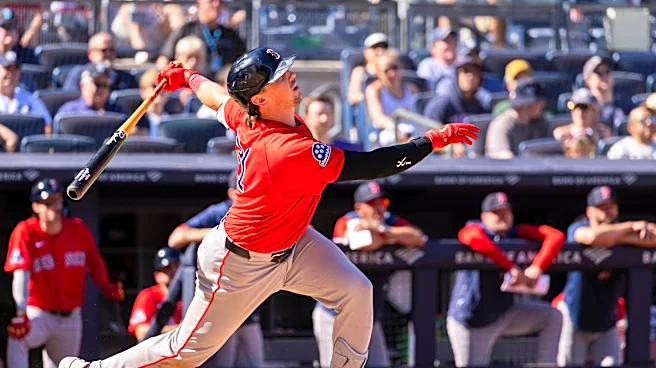
But if you’re spending part of the holiday weekend at Fenway, consider that Fenway Park isn’t only a historic ballpark, it’s a workplace. The players on the field are union workers, and John Henry and Fenway Sports Group are the management.
We’re three months away from this predicted lockout that could shut down the 2027 season, and baseball finds itself trapped in the same timeless dispute between workers and the executive office.
Happy Labor Day.