




Astros fans, your team is running on empty.
The problem is the pedal is already to the floor, the finish line is approaching, and there may not be anything left in the tank.
Once again, the Astros dug themselves a massive early-season hole. Once again, they somehow fought their way out of it and made September baseball matter.
But that comeback came at a price. Now we’re seeing it. The pitching staff looks exhausted.
The rotation spent much of the season battling injuries, inconsistency and an inability
to consistently pitch deep into games. That forced the bullpen to carry an enormous workload just to keep the Astros’ season alive.
For months, those relievers answered the call. They covered innings. They protected leads. They compensated for short starts and helped drag this team back into contention.
But eventually, the bill comes due. It’s coming due now.
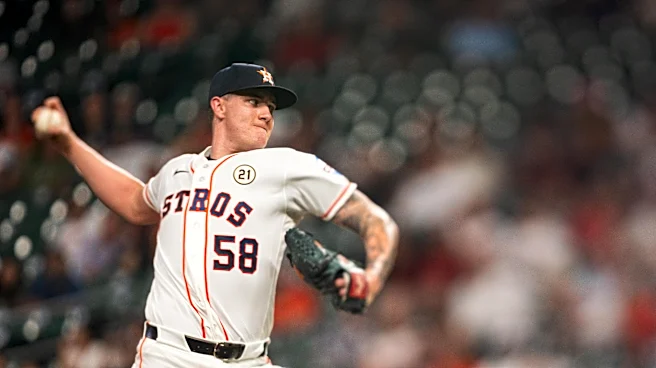
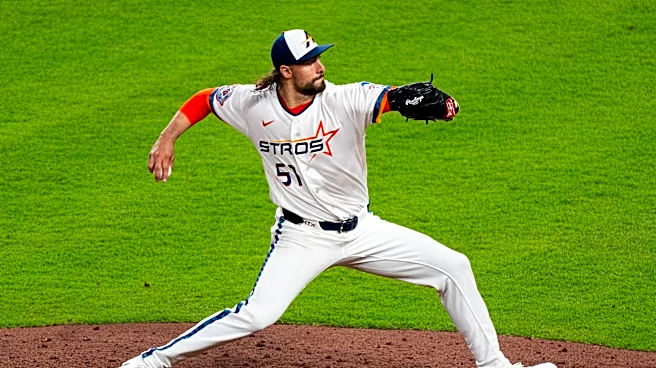
Ángel De Los Santos, AJ Blubaugh and Bryan King are among the pitchers who provided important innings and stretches of excellent baseball for this team. But at some point, arms get tired. Guys hit a wall. And when that happens in September, there’s no offseason reset button you can push to get them back to where they were in May, June or July.
The Astros needed their bullpen to survive the first five months. Now they desperately need that same bullpen to save their season. There may simply not be enough left in the tank.
How Did the Astros Get Here?
If you’re looking for where to place blame, start with roster construction. The Astros entered the season with an obvious imbalance. They had a surplus of infielders and a shortage of legitimate major league outfielders. It wasn’t a hidden problem.
It wasn’t something that suddenly appeared because of injuries. Everyone could see it. Yet somehow, an entire season has nearly passed and the problem was never adequately solved.
Waiver claims weren’t going to fix it. Reclamation projects weren’t going to fix it. The desperation moves at the trade deadline weren’t guaranteed to fix something that should have been addressed months earlier.
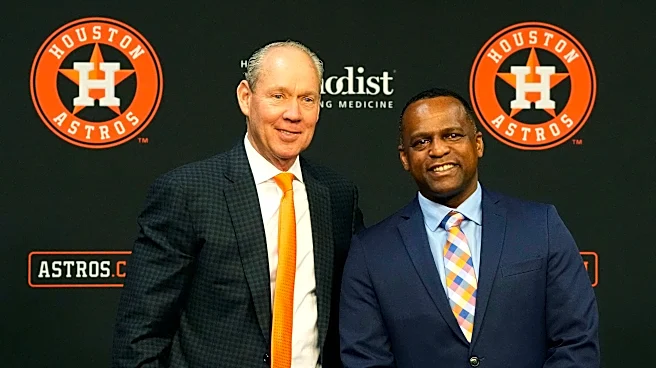
That brings us back to former general manager Dana Brown. Brown deserves criticism because he was the general manager and roster construction was part of his responsibility. But there’s an important question we may never be able to completely answer:
How much authority did Dana Brown actually have?
How many decisions were his, and how many were influenced or directed by owner Jim Crane and others within the organization? Brown is gone now, but the organizational structure remains. That’s why simply blaming the former general manager doesn’t solve everything.
Joe Espada Isn’t the Biggest Problem
I’ve criticized Joe Espada when I thought criticism was warranted. He has shortcomings. Every manager does. But considering the roster he’s been handed and the obstacles this team has faced, I believe Espada has done a better-than-average job getting the Astros back to the brink of another postseason appearance.
Think about everything he’s navigated. An early-season hole. An inconsistent rotation. A bullpen that was forced to absorb a massive workload. Injuries throughout the roster. An outfield that has been a problem virtually all season.
And yet the Astros continued winning enough games to matter in September.
If this team ultimately falls short of the postseason, Espada will inevitably receive some of the blame. That’s part of being the manager. But he shouldn’t be at the front of the line.
The bigger questions should be directed toward the people who constructed the roster and the system that produced it. That means Brown, and it also means Crane.
What Happens Next?
This is where the Astros could be approaching a fascinating—and potentially uncomfortable—offseason. The organization needs a new general manager. If Crane also decides to move on from Espada, it could need a new manager.
But here’s the question: How attractive are those jobs?
The Astros have been one of baseball’s premier organizations for nearly a decade. They’ve won championships, reached World Series, dominated their division and established a winning culture that most franchises would love to replicate.
That should make Houston an extremely desirable destination.
But prospective candidates are also going to want to understand exactly how the organization operates. How much authority will the next general manager actually have?
Who makes the final call on personnel decisions?
How much influence does ownership have on roster construction?
How much control does the manager have over his lineup and in-game decisions compared with the front office and analytics department?
Those aren’t insignificant questions.
Dusty Baker publicly expressed frustration at times with aspects of modern organizational decision-making during his tenure. More recently, there have been questions and reports surrounding how much influence the front office and analytics staff have over lineup construction.
Whether every rumor is accurate or not, perception matters when you’re trying to attract the best baseball people available. If candidates believe they’re going to be held accountable for decisions they don’t completely control, that’s something Crane will have to address.
The Players Deserved Better
This might be the most frustrating part of all. I feel for the players in that clubhouse. They’ve battled through injuries. They’ve overcome a terrible start. They’ve watched teammates go down and roles change. They’ve dealt with a revolving door in the outfield and a pitching staff that has been asked to absorb far too much. And they still found a way to matter.
They kept fighting. They kept winning. They kept themselves alive deep into September.
If I’m a veteran leader in that clubhouse—whether it’s Jose Altuve, Carlos Correa or another established voice—I’d want answers from ownership after the season.
Not excuses. Answers.
What is the plan?
Who’s making the baseball decisions?
How is this roster going to be constructed differently?
What is ownership prepared to do to give this clubhouse the support it needs to compete for another championship?
Because these players have spent an entire season fighting to overcome deficiencies that shouldn’t have existed for this long.
This Offseason Has to Be About More Than Changing Names
Maybe the Astros still find a way. Maybe there’s one more run left in them. Maybe this battered pitching staff finds another gear, the offense gets hot and Houston somehow reaches October again. Considering everything we’ve watched from this franchise over the years, I wouldn’t completely count them out until they’re officially eliminated.
But regardless of how this season ends, Crane has some difficult questions to answer. Replacing Dana Brown alone won’t fix the Astros. Replacing Joe Espada won’t automatically fix them either.
If Houston truly wants to remain one of baseball’s elite organizations, the Astros need to examine the entire structure of their baseball operation—from roster construction to analytics to the relationship between the manager, general manager and ownership.
Because right now, the Astros aren’t just fighting their opponents. They’re fighting exhaustion. They’re fighting roster deficiencies. They’re fighting the consequences of problems that were visible months ago and never adequately addressed. This team has spent the entire season digging itself out of another hole.
The question isn’t only whether the Astros have enough left to reach the playoffs. It’s whether the organization understands why they were forced to dig out of that hole in the first place.
And until that question is answered, changing the names on the office doors may not change much at all.