


I feel as if much of my focus lately has been doom and gloom as the Phoenix Suns have stumbled out of the gate to a 1–3 record, doing so in a manner that has been particularly frustrating. If there’s one thing I appreciate when watching any sport, and one of the primary reasons last year’s team resonated with the fan base as a whole, it’s defense. I value the ability to stop the opposition from executing its game plan.
Defense travels. Defense wins championships. Defense changes the outcomes of games.
And thus far, the Suns’ defense has more holes than Swiss cheese. Yes, I spent about as much time putting together that analogy as the Suns have spent playing defense through their first four games.
As I sit here looking out my window at the literal gloom hanging over the Valley, I can’t remember a time in my life when we’ve experienced rain this consistently. And rather than allowing the weather to dictate my mood, I’ve decided to do what the motto of this very site encourages us to do. I’m going to look at the bright side. That’s right. Here are three things I’ve appreciated about the Phoenix Suns through the early portion of this season.
1. Three-Point Shooting
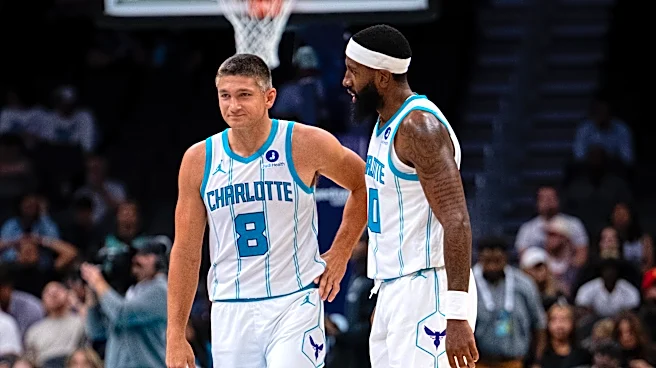
One of my biggest fears about this team entering the season was how they would perform from beyond the arc. When you ship off Grayson Allen and Royce O’Neale, who are currently shooting a combined 41% from deep with the Charlotte Hornets, there’s a legitimate concern that your team might end up sucking from three-point range.
When you look at it holistically, the Suns rank 17th in the NBA, shooting 34.8% from deep. They’re certainly maintaining their three-point volume, however, ranking seventh in the league with 40.3 attempts per game. But like so many things early in this season, those numbers are being dragged down by one particularly ugly game.
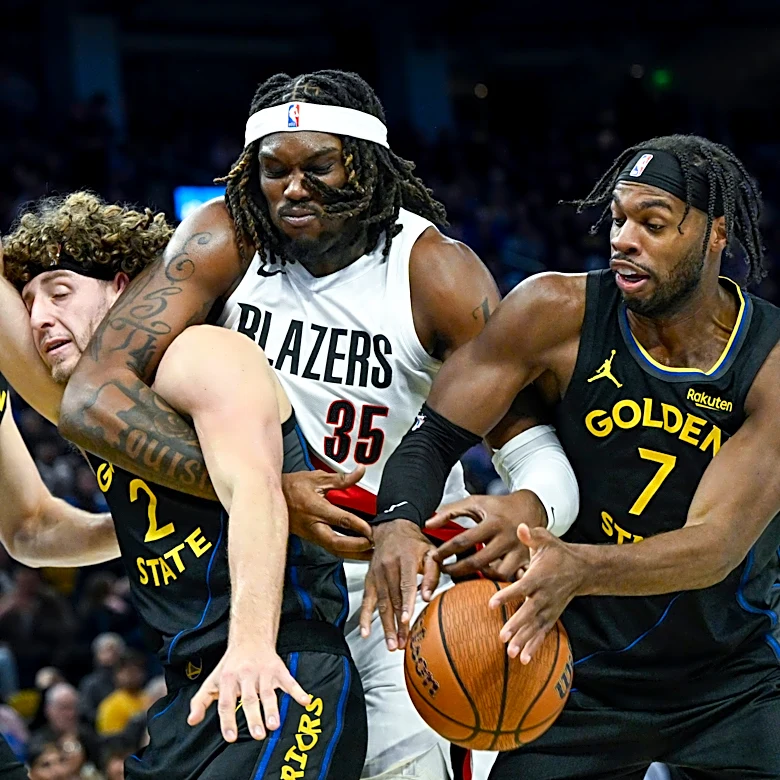
In the season opener against the Portland Trail Blazers, Phoenix shot 6-of-31 from beyond the arc, a miserable 19.4%. Since that game? The Suns are shooting 38.8%, connecting on 50-of-129 attempts. That 38.8% would rank fifth in the NBA. Damn you, Portland game. Damn you! It feels like we’re going to spend the next 15 games waiting for that statistical disaster to work its way out of the numbers.
Even when you include the Portland game, the Suns are doing something that shouldn’t surprise anybody. They’re getting quality three-point shooting from their bench. Phoenix’s reserves are shooting 38.8% from beyond the arc, the sixth-best mark in the league. Remove that Portland game from the equation, and the Suns possess the best shooting bench in the NBA at 45.9%.
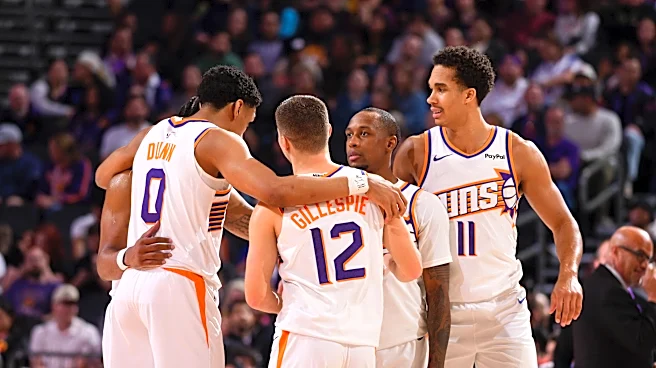
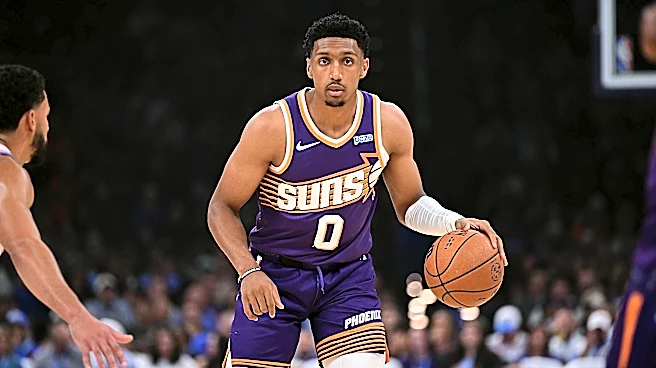
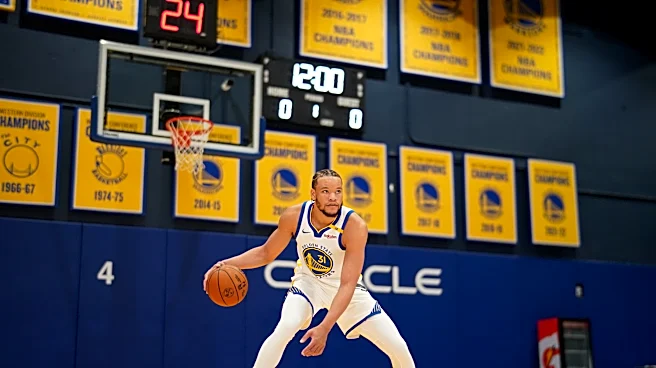
Luke Kennard is shooting 53.8% from deep this season, Ryan Dunn is at 40%, Dillon Brooks is connecting at 42.9%, and Jordan Goodwin is shooting 39.1%. And if Collin Gillespie hadn’t gone 0-of-8 in that Portland game, he’d be sitting at 42.9% himself.
All of this bodes well for Phoenix moving forward. The Suns have demonstrated that they possess the ability to knock down shots from beyond the arc, and as the season progresses, those numbers should begin to better reflect what we’ve seen since opening night.
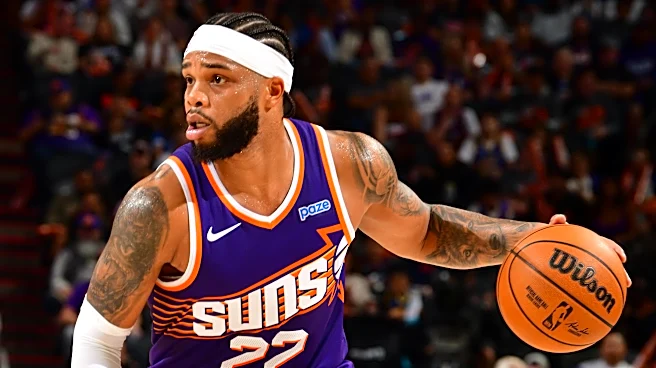
2. Miles Bridges
Yeah, Miles Bridges.
Don’t get me wrong, his defense has left plenty to be desired as he continues trying to understand where he needs to be positioned and how to properly support those around him. His missed assignments have been atrocious, and there’s no world in which I’m going to sit here and consistently defend his defensive performance throughout the early portion of this season. But holistically, I’ve liked what I’ve seen from him thus far.
He’s third on the team in scoring at 16.3 points per game, leads the Suns in blocks, and is their top rebounder. Yes, that 22.2% shooting from beyond the arc sucks, and it certainly doesn’t help the argument I made earlier about the team’s three-point shooting. My assumption, however, is that those numbers will begin to normalize with time.

What I’ve appreciated most about Miles Bridges is that he reminds me a little bit of Shawn Marion, somebody you don’t necessarily have to draw up offensive plays for. His offense is generated through effort, whether that’s putbacks, hustle points, or simply finding opportunities within the flow of the game. Every roster needs somebody like that. Somebody who can generate those junkyard points without demanding the basketball, yet still provide meaningful offensive production.
Think about it. Dillon Brooks is averaging 16.5 points per night, but he has to be incredibly ball dominant for those points to materialize. Those are proactive points, whereas much of what Bridges provides comes reactively, taking advantage of opportunities that develop around him. And through that lens, I can see the vision of what Miles Bridges is designed to be within the context of this Suns lineup.
The shooting absolutely needs to improve, as does the defense, but there’s something valuable about having a player who can contribute offensively without requiring the entire offense to revolve around him.
3. The Bench Unit
Without a doubt, the bench has been the bright spot for the Phoenix Suns. The connectivity that this group possesses is something the starting unit should envy, and a big part of that comes from the continuity the organization talked about throughout the offseason. Much of that continuity has manifested itself within the second unit, where the only new addition to the rotation has been Luke Kennard, who has stepped into the Grayson Allen role pretty seamlessly.
The Phoenix Suns’ bench ranks 10th in the league with a +2.2 net rating, third with a 72.5% assist percentage, and fourth with a 1.94 assist-to-turnover ratio. And that’s where, as a Suns fan, you begin to realize that this team might not be as far away from being successful as it feels after watching those first four games.
The starting unit certainly needs to pick up the slack, and those players need to learn how to play together. But with 40% of that group being new to the lineup, it’s going to take some time for that chemistry to develop. Meanwhile, the backbone of this team has been the bench and the way it operates.
So even as I sit here pounding the table for Collin Gillespie to become a starter, perhaps the stability he provides to the second unit is something that needs to be considered as part of that equation. Because if the starting unit can figure things out, the bench can continue delivering punch after punch after punch when it enters the game, beating the opposition into submission.
Of course, there are multiple issues with that starting unit, and we don’t know whether time will ultimately solve them. But you know it, and I know it, because we’ve seen it with our own eyes while watching these games. When the second unit checks in, you immediately feel a sense of responsibility entering the game.
The Suns have legitimate problems, particularly defensively, and those aren’t going to disappear because I decided to write something positive. But the shooting is encouraging, Bridges is finding ways to contribute, and the bench has established an identity worth building upon. There’s work to be done, plenty of it. But even with the clouds hanging over the Valley, there’s still a little sunshine breaking through.