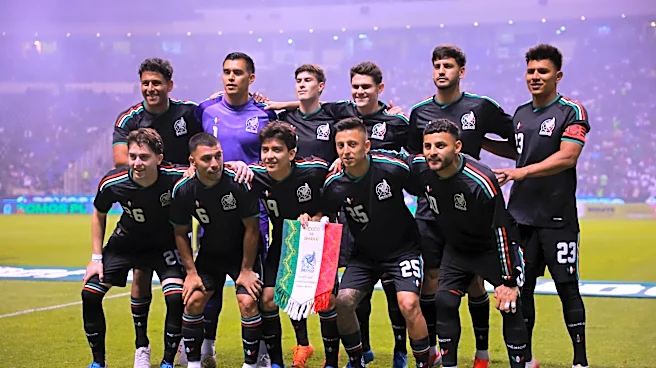


Mexico will host the World Cup for a third time, but for the first time they will be co-hosting the competition. Still they have the opening match and a number of important matches in their three cities: Mexico City, Guadalajara and Monterrey. Here is a quick travel guide about what to expect.
Mexico City
Mexico City is the capital and largest city in Mexico. My second home, it’s a city that constantly lives in chaos and wonder. With an altitude of 7,350 feet and a complicated layout, it might not be easy to
be there without feeling the effects of the altitude and pollution. That being said, it’s a world city and it has everything a major city has while being the center of the Mexican nation.
Estadio Azteca

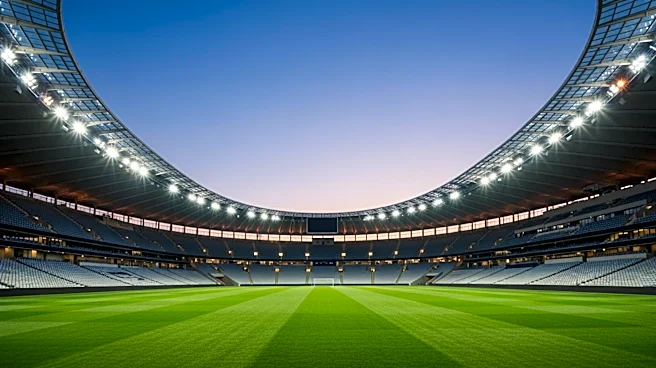
The home of Mexican football, Estadio Azteca changed their name to Estadio Banorte and will be named Estadio Ciudad de Mexico for the World Cup. For the people, it will always be Estadio Azteca. The Azteca is one of the best experiences once you cross the gate. Before that? It might not be. While the World Cup should have improved experiences including better transportation options and no parking to ease traffic, it still should be a problem getting there.
While Azteca has a Tren Ligero (light rail) station, the subway system is widely used by everyday folks which should be crowded. The Tren Ligero trains are a lot smaller, which increases the problem. Get there early if you plan on using public transportation. To get to the stadium you have to take the subway Linea 2 (aka the blue line) until the last station (Metro Tasqueña) and then get off to take the first station of the Tren Ligero, which is in the same building of Metro Tasqueña.
What to do in Mexico City

Bosque de Chapultepec
One of the largest and most visited city parks in the world, this park is not only key for Mexico City residents but it’s dripping in history. With presence from the Aztecas (los Baños de Moctezuma) to the impressive Castillo de Chapultepec, which was the site of the Colegio Militar that took part in the Mexican American war, and later was the residence of the head of state (from Maximilian, Benito Juarez to Porfirio Diaz), it’s one of the most important sites in the country. The park is divided into four sections and though all of them have their charm, the first section is the most “important” of them all.

Museo Nacional de Antropologia
A special mention of Chapultepec must be made for the Museum of Anthropology. The most visited museum in Mexico has some of the most important Mexican artifacts. It’s an impressive structure that includes wonderful exhibitions. The most famous of the artifacts is the Aztec Sun stone. Quite simply a must see.

Teotihuacan
The old city of Teotihuacan is the home of the Piramide del Sol and Piramide de la Luna. A city and civilization that predated the Aztec empire, the city is greatly preserved as it survived Spanish colonization. While it’s not in the city but a couple of miles away, it’s still one of the most impressive examples of pre-colonial history in Latin America.

Zocalo/Bellas Artes/ City Center
“El Centro” is the downtown of the city even if it’s in the middle. In these streets sits the most important parts of Mexico from the Presidential Palace in the Zocalo, to the most famous theater in Bellas Artes. The streets also have some of the most important markets and restaurants and it’s filled with history with a number of museums and parks like Alameda Central. If you can make it a day, it’s as good a place to make the most out of a free day.

Six Flags Mexico
The best amusement park in Mexico, Six Flags Mexico used to be Reino Aventura, an amusement park that became famous because it used to be the home of Keiko, or Free Willy. Six Flags bought the park and kept what made it great. The park is recognized as one of the best themed Six Flags and it’s an unique experience for many. With the increase in fanfare for theme parks, it could be a great visit. If you need a guide on what to expect, this recent video from Daniel Rides Coasters is a great guide.
Guadalajara
Guadalajara is normally considered the second most important city in Mexico. The city is the capital of the State of Jalisco, which has given Mexico some of its most famous icons. Mariachi and Tequila comes from the area and the city is of importance to many, including my late father (Descansa en Paz, Papa). But the city is more than the place where my parents met, as it also the home of the most popular team in Chivas and just a city that many consider the most Mexican place.
Estadio Akron

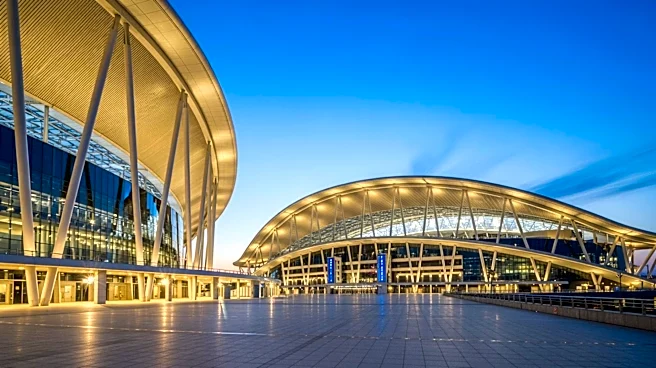
The Estadio Akron is the home of the Chivas de Guadalajara and is one of the most modern in Latin America. The stadium official lies in the City of Zapopan, which is part of Guadalajara’s Metropolitan Area but not the city itself. There is no subway to it and it’s a drive to get there… a drive that can and will get congested.
There is a city bus that reaches the “Estadio Chivas” station but the walk to the stadium isn’t that close. With the no parking rules, most of the city dwellers will park in certain locations and take a bus to the stadium, something that was done for the 2011 Pan American games (although traffic was still tough during those games).
What to do in Guadalajara

Centro Historico/Catedral
Like in Mexico City (and many places in Mexico) the “downtown” area is one filled with history with a number of places to go. The cathedral (Catedral Metropolitana de Guadalajara) is one of the most beautiful in Mexico. The city government palace has some of the best murals of Jalisco’s own Jose Clemente Orozco. There are also a number of markets and great restaurants. It’s quite simply full of history.

Hospicio Cabañas
The Hospicio Cabañas was an orphanage for more than a hundred years. While it’s a marvelous building, the current museum fame comes from the number of murals painted by Jose Clemente Orozco in the walls and ceilings of the Hospicio.

Tlaquepaque
The city outskirts of Guadalajara have Tlaquepaque, a city named as “Pueblo Magico” one of the magic towns all along the country. A number of important cultural locations lie in Tlaquepaque, from El Parian to El Centro Cultural El Refugio, it’s a cultural wonder and it has some of the finest pottery in Mexico. Truly a enchanting place.
Monterrey
The third largest city in Mexico, Monterrey is an industrial town that had its boom in the 20th century, thus it’s not as widely known culturally as the other two. Still, Monterrey is one of the most developed cities in Latin America and is the center of the northern economy. A major city with a lot of working people but not as much tourism as other cities in Mexico, it still is more than capable of being a great host city.
Estadio BBVA

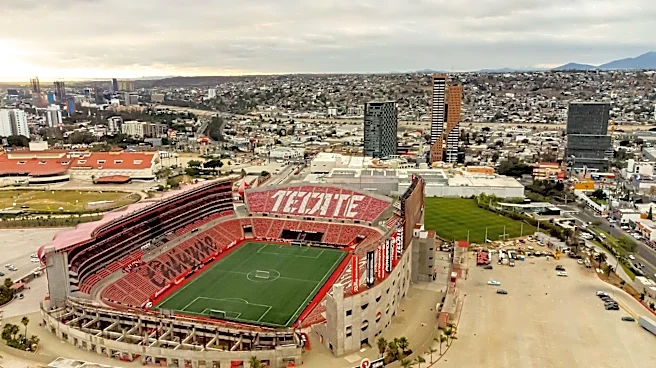
The newest of all three stadiums, Estadio BBVA will be named Estadio Monterrey for the competition. Like the Akron, BBVA stadium doesn’t lie in Monterrey but in the Monterrey Metropolitan Area. Located in Guadalupe, the stadium was built in part of the ecological park, La Pastora. While Monterrey, like Mexico City, has a metro, the closest station to the stadium (Exposicion) is about 1 km away from the stadium. There is public transport available but like Akron, the traffic congestion might be tough.
What to do in Monterrey

Macroplaza
The Macroplaza lies in the city center of Monterrey. The area has a number of museums and key places like the Government Palace as well as the city center where people gather. It should have a number of activities for the World Cup.

Paseo de Santa Lucia
The boat ride of Paseo de Santa Lucia connects the Parque Fundidora to the Macroplaza. The artificial river is one of the longest and was inaugurated in 2007.
Mexico will become the first country in the World to host the World Cup for a third time. In 1986 it was the first ever to host it twice and although it had economic problems and worse, a major earthquake in 1985, they rose to the occasion. It should do so for a third time as the country has made tourism an important part of their economy all thru their history. The World Cup should add another important experience as Mexico tries one again to be good host.
Verizon fuels soccer culture and community impact year-round – uniting fans, supporting local businesses and creating unforgettable moments that celebrate the global game.