





You never know when or where an NBA transaction is going to strike, especially this time of year. I took the gamble. I loaded my family and the dogs into the truck and headed for the coast this weekend. The destination was Huntington Beach, California. Surf City, USA. I figured nothing major would happen as I felt the team was a good place.
Sure, running it back wasn’t sexy. But it was responsible, especially considering the transgressions of the past and where the franchise currently stood. Knowing
that both Grayson Allen and Royce O’Neale would be on expiring contracts next offseason, along with Jalen Green, meant the organization had an entire season to evaluate whether its culture had truly taken hold, how the pieces fit together, and whether its path of alignment and development would ultimately lead to success.
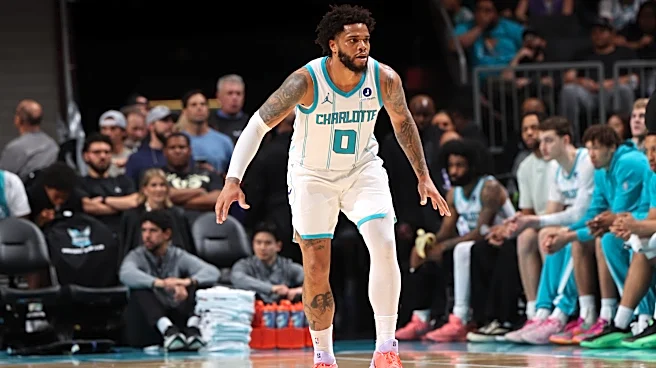
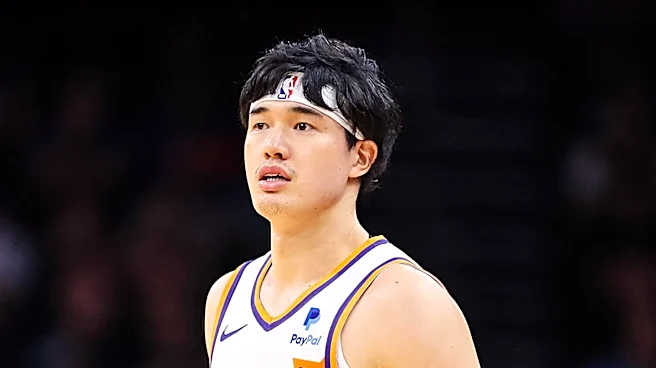
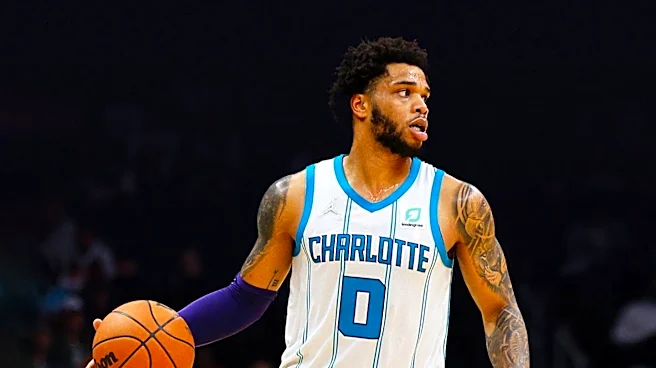
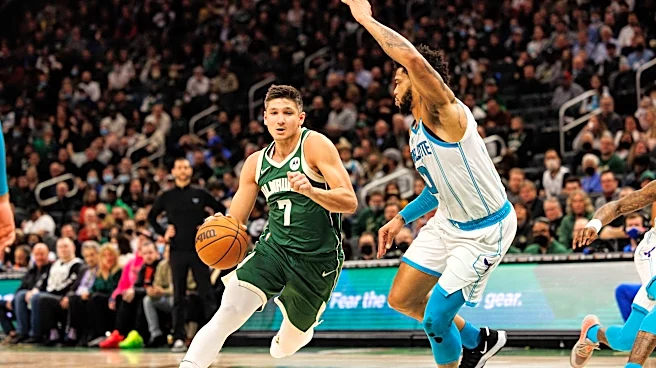
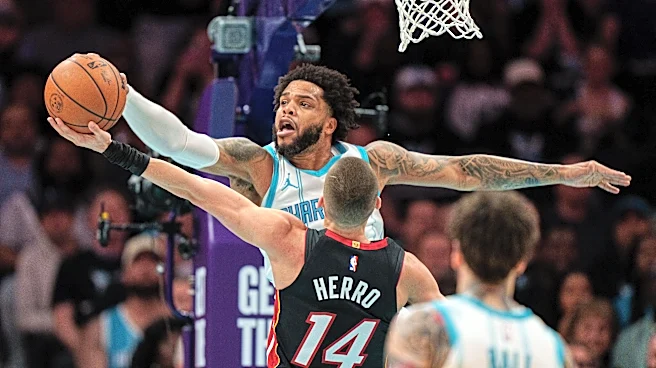
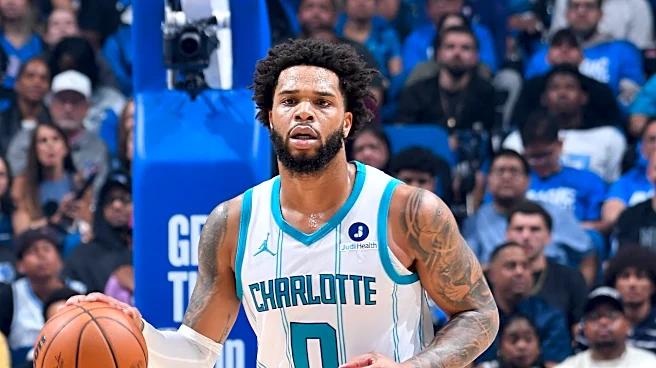
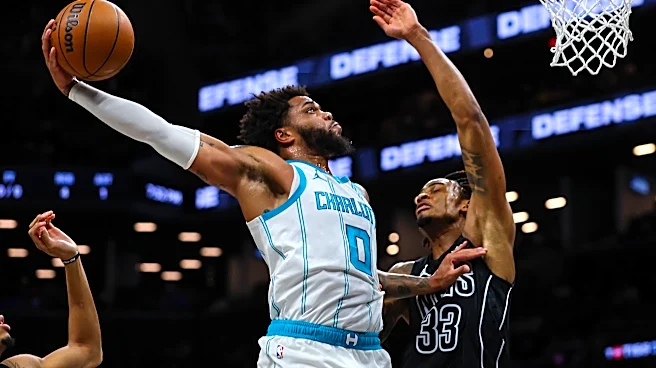
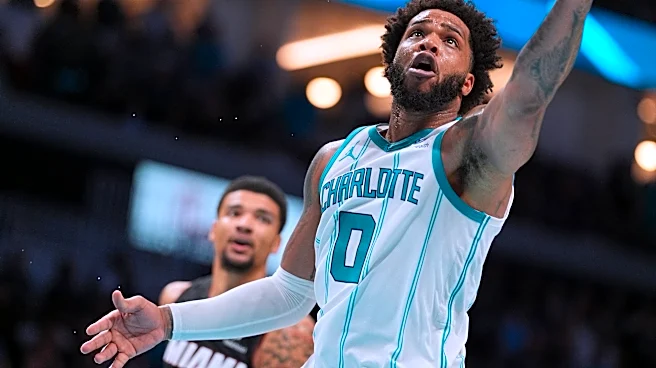
Then, as I was getting ready to head down to the beach, my phone buzzed. The Suns had traded both Grayson Allen and Royce O’Neale for Miles Bridges.
“Hold on, honey. I’ve got some work to do.”
What are my initial thoughts on the acquisition of Miles Bridges, along with a 2029 first-round pick swap and a 2027 second-round pick swap, in exchange for Grayson Allen, Royce O’Neale, and an unprotected 2033 first-round pick? Let’s grade the trade.
Draft Capital Exchange Grade: D+
I’ll start here: why include a 2033 first-round pick? This is an organization allergic to retaining unprotected futures, aren’t they? Bridges is an expiring deal. You are giving them two players for that expiring. You are getting back the 2029 first-round pick you sent out for Mark Williams, which is a heavily swapped “worst-of-the-worst” draft pick. You’re getting a swapped second-round pick in 2027. Are those worth an unprotected 2033? I simply don’t get it.
I can understand the “well, the kid is currently in sixth grade, so who cares?” point of view. But I don’t agree with it. Every kid was a sixth grader once. Devin Booker was. Imagine if the Suns traded his draft rights in 2008 for an expiring power forward. I understand the philosophy, but at some point, you are going to have to lean into lottery youth to restart your program. 2033 could be that year, but it no longer has the chance to be.
Sooner or later, especially with the new draft rules, a Suns pick that they no longer own will end up high in the lottery, and we’ll be kicking ourselves down Jefferson Street because of it.
The one plus is that, by making this deal, they have opened up accessibility to all of their first-round draft capital between now and 2029. So if they like what they have as an organization, that can improve by attaching those picks. Jalen Green, anyone…
Player Exchange Grade: B
I know Miles Bridges is a player this organization has targeted for quite some time. I’ve been writing about him for the past few seasons, and I understand the eventual need to move on from both Grayson Allen and Royce O’Neale. My question is whether this truly maximizes their outgoing value.
The Suns acquire Bridges and his $22.8 million expiring contract. Make no mistake about it, the fact that it’s an expiring deal doesn’t mean an extension isn’t already part of the plan. I fully expect the Suns to bring him back.
The financial side of this deal is significant as well. Before the trade, Phoenix sat $5.4 million below the second apron and $7.6 million above the first apron. By moving the combined $29 million owed to Royce O’Neale and Grayson Allen and taking back Bridges at $22.8 million, the Suns save more than $20 million in luxury tax payments while reducing their payroll by roughly $6.2 million. They now sit only $1.7 million above the first apron.
They also opened a roster spot. From a financial standpoint, that’s meaningful flexibility. The question is whether that flexibility, combined with Miles Bridges, was worth the price they paid.
What does this mean? It means the Suns can now use a portion of their non-taxpayer mid-level exception to add another player when free agency opens on June 30. Perhaps Luke Kennard becomes a target. Whoever it is, it needs to be someone who can shoot the three-ball because the Suns just traded away two of the better three-point shooters in the league for a player who is a career 33.8% shooter from beyond the arc.
And that’s the challenge with all of this for Phoenix. Throughout the offseason, many people pounded the table for the Suns to acquire a power forward. Well, they did. But no matter what move they made, they were always going to be shifting their problems rather than eliminating them. There is no catch-all solution. There is no magic move that fixes every hole on the roster. There are only tradeoffs.
Yes, the Suns brought in a power forward. But he’s an undersized power forward who doesn’t stretch the floor, so now you’ve addressed one need while creating another. You sent out shooting, and now you have to find shooting. That’s the reality of roster construction when you’re chasing your tail. It becomes even more difficult when you’re carrying $23.2 million in dead cap.
We’ll have much more clarity on the full scope of this transaction once the new season begins. First, we need to see who the Suns add to fill that open roster spot. If that player, combined with Miles Bridges, proves to be a better combination than Grayson Allen and Royce O’Neale, then it’s a net positive. That’s a good trade.
There’s also another wrinkle to consider. Because the Charlotte Hornets already had a deal in place with the Minnesota Timberwolves involving LaMelo Ball earlier this weekend, there’s a possibility this transaction gets folded into that larger deal. If that happens, the Suns could potentially receive one or more additional assets.
As it stands right now, I walk away from this trade a little perplexed, but certainly intrigued. There’s also the moral dilemma.
Miles Bridges arrives with an off-court reputation that most people would not describe as positive. For a team that has spent the better part of a year talking about culture and identity, it’s fair to wonder what impact that has inside the locker room. It’s already created outrage among portions of the fan base.
Overall Grade: C+
Did the Suns take a step forward or a step backward? Right now, I don’t think we have enough information to answer that question. The roster isn’t complete, the additional flexibility created by the deal hasn’t been utilized, and there could still be more to this transaction than we currently know. My initial reaction, however, is that it feels like a step backward. I can’t help but feel there was more value to be extracted had the Suns played this a little more patiently. I can’t help but feel like the team added a first-round draft pick that didn’t need to be included.
But what’s done is done. Now we wait to see how the rest of the offseason unfolds.
I don’t hate the depth chart, though. I see the short-term viability and the long-term vision. This move tells me Phoenix still believes its competitive window is open, but it’s trying to win with younger legs instead of older veterans.

It’s funny. As I finish writing these words and get ready to head down to the beach, I can’t help but think about one thing. If you had told me two summers ago that the Phoenix Suns would one day have Jalen Green, Dillon Brooks, and Miles Bridges on the same roster, I wonder what my response would have been. I wonder what I would have thought about that team’s chances of being successful.
Knowing there’s also an influx of young talent developing behind them makes it even more intriguing. That’s the word I keep coming back to. Intriguing. And it reminds me of something I said two summers ago: the Suns might not always be good, but they’re always entertaining.