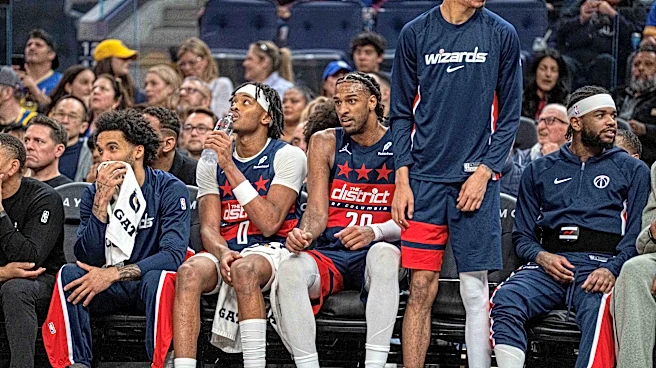





This is not difficult. Don’t get cute. Don’t get smart. Washington Wizards general manager Will Dawkins should keep it simple and just pick the guy they think is likely to be the best NBA player and move on to the next opportunity.
There are several reasons for this. For starters, decades of NBA Draft experience says that the answer to the question in the headline is simple: do not pick for fit. Washington Wizards general manager and the team’s decision-makers would be wise to accept this lesson,
even in a year with multiple high-quality prospects.

The most famous blunder stemming from picking for fit was probably when the Portland Trail Blazers chose Kentucky center Sam Bowie over Michael Jordan because they thought they needed a center.
As former Indiana University head coach Bob Knight said, “Then play Jordan at center.”
This leads me to the second major reason to pick upside and talent over fit — team needs and fit is a moving target. The reality is that no team is so talented that they can’t use another great talent. If they’re truly having a positional logjam, they can always make a trade. It turns out, other teams will pay for talented players.
But even without injuries, team needs change fast. For example, look back to 2020 when the Wizards picked Deni Avdija over Tyrese Haliburton, in large reason because the front office at the time thought they were well-stocked at guard. After all, Bradley Beal was a two-time All-Star and John Wall was slated to return.
Their trade of Wall brought back Russell Westbrook — another guard.

The case for picking Avdija was that he had good size and and some guard-like skills, and that he’d pair well with Rui Hachimura as highly switchable forwards. That was the theory.
Except…well…Haliburton was the better prospect. No insult to Avdija but still. Haliburton was crazy productive in the NCAA, had an infectious and ebullient leadership style, and a funky-junky jumper and all-around game that just worked. He was All-Rookie, and in four seasons was a two-time All-Star, twice named All-NBA, and was the best player on a team that reached game seven of the NBA Finals.
Meanwhile, back in Washington, Westbrook wanted out after a season and suddenly the Wizards were back in the market for guards.
The point: needs change. Often fast.
The third major reason to pick talent over fit is that even savvy basketball executives have difficulty determining how players actually fit together — even when the players are established veterans. The Milwaukee Bucks paid a ransom for Damian Lillard because it seemed a sure thing that Lillard and Giannis Antetokounmpo would make a devastating pick-and-roll combo. On the court, they were kinda okay together but true synergy never coalesced.
The reality is that skilled players usually can figure out how to work together effectively. They can develop fit. Not always, of course — ego, money, health, and other factors come into play too. But that’s true even when positions and skills seem to fit like puzzle pieces. Think about Kyrie Irving asking for a trade after three straight trips to the NBA Finals, which included winning a championship. He wanted out from LeBron James’ considerable shadow despite what seemed to be an ideal on-court fit.

The fourth major reason: NBA teams are choosing young men in their late teens or early twenties. Most prospects — especially those at the top of the draft — have been the best player on virtually every team they’ve ever played on. Some guys will learn lessons from NBA-level competition and work themselves into stars. Some will adapt themselves into roles with varying degrees of responsibility. Others won’t rise to the challenge or they’ll get distracted and never become contributors.
Which is which is challenging enough without layering on guesses about how they’ll fit on court with other NBA players.
The only exception to the rule is if two or more prospects are essentially equals. Then go ahead and pick for a perceived positional need. This kind of thing is pretty rare, though. Especially at the top of the draft.
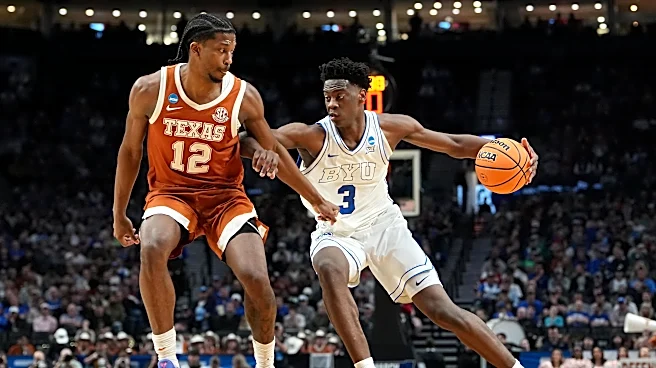
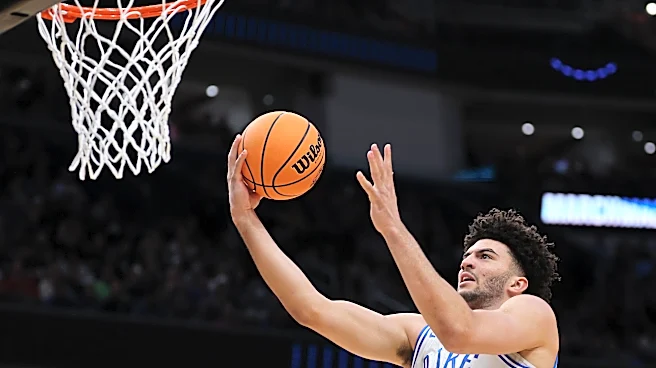
This year’s NBA draft is strong at the top. My stat-based prospect evaluation tool Ye Olde Draft Analyzer (YODA for short) has four players with grades consistent with being the number one overall pick in most drafts — Cam Boozer, AJ Dybantsa, Darryn Peterson, and Caleb Wilson. But they’re not co-equals.
A strong majority of public-facing talent evaluators believe Dybantsa has the highest upside. The betting odds at FanDuel agree on the top pick and point towards a hierarchy of Dybantsa, Peterson, Boozer, and Wilson.
This doesn’t mean Dybantsa should be the pick. The lesson for the Wizards is to conduct a thorough evaluations, decide which of these prospects is most likely to have the best NBA career, and then pick that guy. Let the coach and the players figure out how to make it work on the floor. Make a trade down the road if they can’t. But don’t waste time guessing at perceived fit. The first step in building a great basketball team is collecting talent.