





Over the last five quarters of this series, I haven’t recognized this version of the Celtics. While there have been flashes, they haven’t consistently looked like the team that got them here.
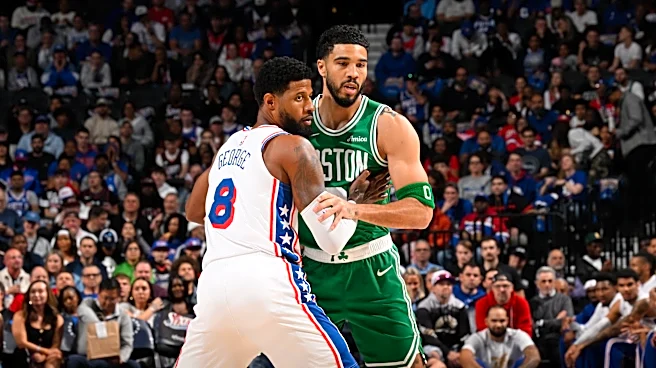
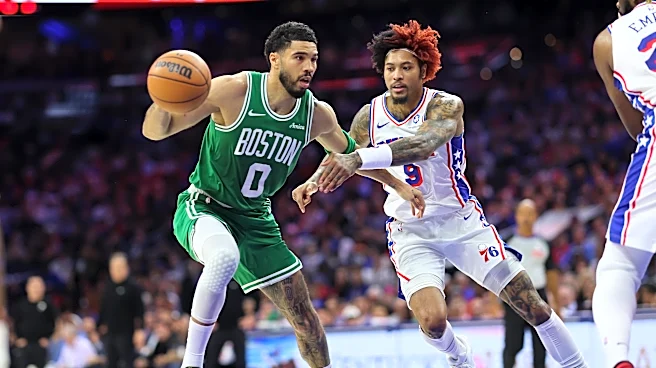
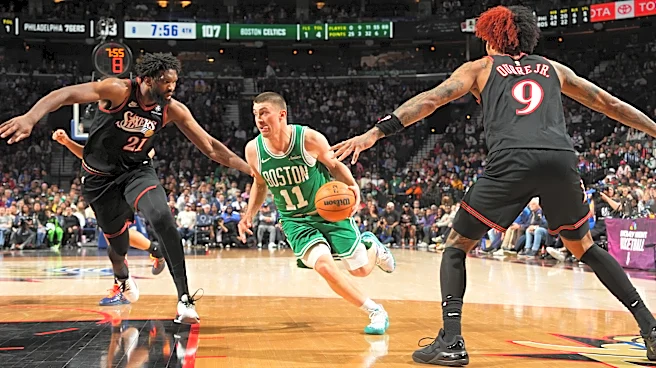
So far in these playoffs, Boston has the third-highest isolation frequency among playoff teams. For a roster built around depth and decision-making, that feels wrong. When they’re at their best, the offense starts with paint touches, forces rotations, and moves into second and third options. In this series, too
many possessions have flattened out. One matchup targeted early, four teammates spaced and stationary.
Against Philadelphia, that simplifies their job defensively. The other four defenders don’t have to rotate. They can stay home, conserve energy, and stay organized. That energy shows up on the other end.
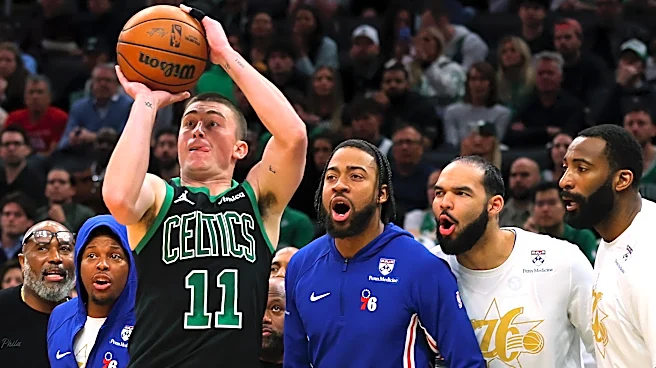
You can see it in the shot profile. The Celtics are taking 53% of their shots from three, the highest rate of any team in the playoffs, and averaging seven more attempts per game than the next closest team, Oklahoma City.
The volume isn’t new. It’s a big reason Banner 18 is hanging in TD Garden. But the way those shots are being created feels different.
Earlier in the year, those looks came after the defense had already shifted. Paint touch, kickout, extra pass. In this series, too many of them are coming earlier in the clock, without forcing that initial rotation. And even when the looks are there, they haven’t consistently fallen. Boston is shooting 41.9% on wide-open shots in the playoffs, defined as no defender within six feet.
That combination puts more heat and pressure on each individual possession.
The defensive activity isn’t there
The defensive numbers tell a similar story.
The Celtics are last among playoff teams in deflections per game, and the gap is significant. They’re averaging roughly six fewer deflections per game than Minnesota, which ranks second to last. That same six-deflection gap exists between Minnesota and Orlando, which ranks second overall in these playoffs.
During the regular season, Boston averaged 15.2 deflections per game. That level of activity disrupted actions early and forced teams into late-clock decisions. That hasn’t carried over. Without consistent pressure, Philadelphia has been able to initiate offense cleanly. Entry passes are easier. Actions start on time. The Celtics aren’t forcing the same level of hesitation.
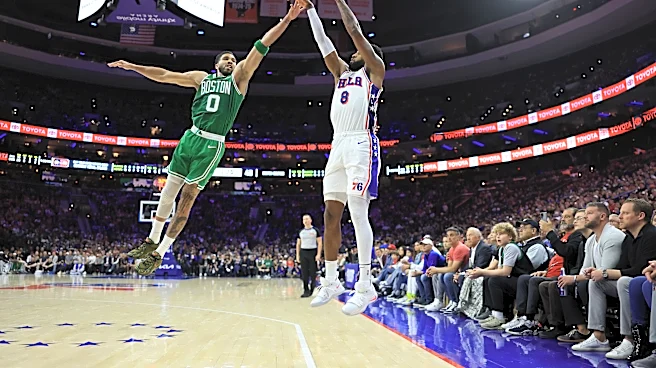
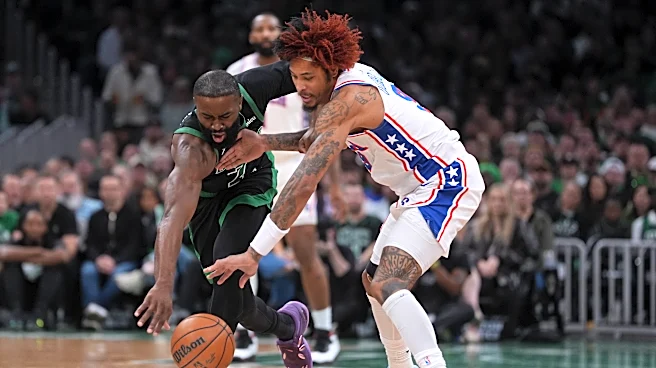
It shows up on the perimeter as well. Boston is last in the playoffs in contested three-point attempts per game after finishing eighth in the regular season. Philadelphia has flipped that, ranking first after being middle of the pack.
Those numbers match what the possessions look like. The Sixers are closing harder and getting into bodies. The Celtics haven’t created the same level of disruption.
Game 6 showed how small edges add up
Game 6 was a series of small advantages that all leaned the same way.
Philadelphia finished with seven more shot attempts. Boston generated almost no second chances, finishing with one offensive rebound on 20 missed shots. Over the first five games, they had rebounded 37 percent of their misses. In Game 6, that dropped to five percent.
That’s a swing in possessions that’s hard to overcome.
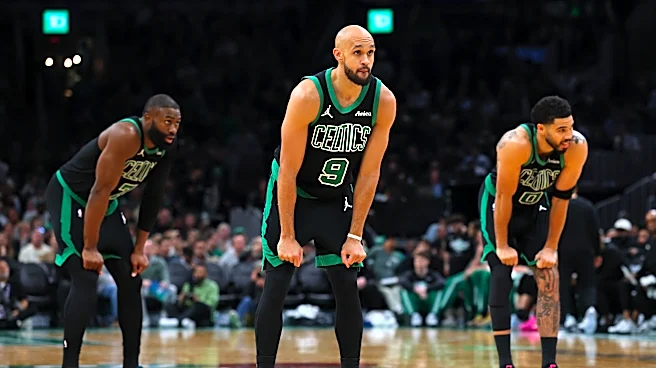
The individual numbers reflect it, too. Derrick White finished as a minus-25. Jaylen Brown was a minus-24. I don’t look at +/- as the be-all and end-all stat, but it does indicate that these subpar stretches added up over the course of the night.
From the Celtics’ perspective, the explanation wasn’t complicated.
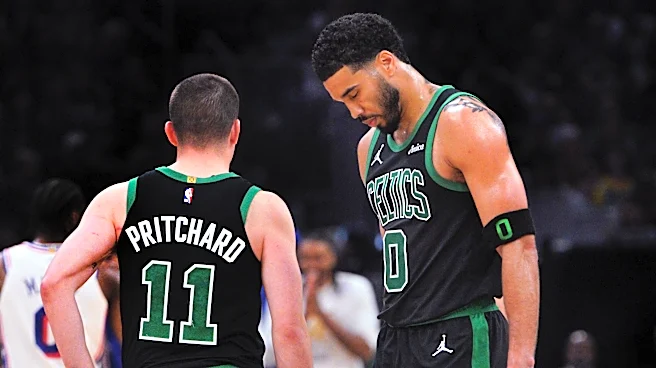
Payton Pritchard described the situation simply afterward, saying the momentum doesn’t carry the same weight in a Game 7 setting. “It means nothing. It’s one game,” he said. “It’s like the NCAA Tournament — gotta win one or go home. So it’s the only thing on our mind.”
Jaylen Brown echoed that framing, focusing less on what’s already happened and more on what shows up next. “Game 7 is a game amongst itself,” he said. “The rest of the series doesn’t matter. It’s gonna be who’s gonna show up on that day and be a better performing team.”
There’s also an understanding internally that the issues aren’t hard to identify.
“There’s definitely some stuff I see that I can improve,” Brown said.
Even Joe Mazzulla’s decision late in Game 6, one that drew some outside reaction, reflected the same underlying belief in the group. He pointed back to what the team has been all season. “All year we’ve had 14–15 guys be able to impact winning,” he said. “Just wanted to give the game a different look.”
That idea, that the solutions are already on the roster and already part of their identity, is consistent with what the numbers are showing.
Game 7 is about getting back to Celtics basketball
A win on Saturday won’t require the invention of a new system or a massive adjustment that goes against their true identity.
The version of the Celtics that won all year played through the paint first. They trusted the next pass. They created advantages through movement and patience. Defensively, they were active, getting hands on the ball and forcing teams out of rhythm. That version just hasn’t been consistent enough in this series.
Game 7 doesn’t need to be complicated.
The Celtics don’t need to find something new. They simply need to return to what’s already worked, and trust it long enough for it to show up again.
If they do, the team that delighted us all season should be able to delight us once more.
If they don’t, this will feel like a continuation of what’s already happened, and a shocking end to what was a surprisingly great regular season.