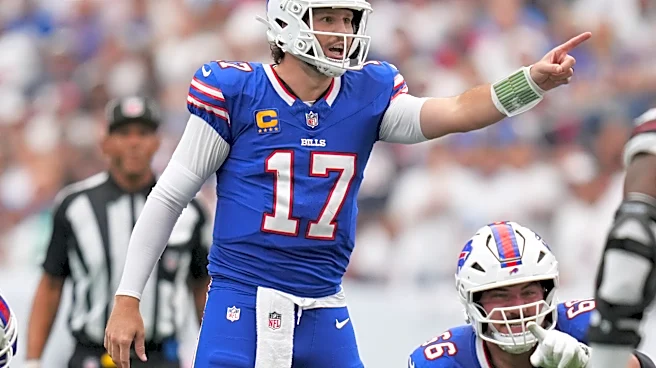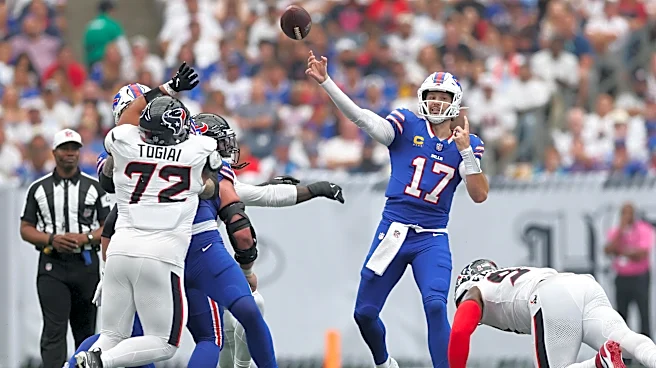


While the NFL analytics community has long pushed passing on first down, it’s certainly not a new methodology birthed out of an algorithm, and if Week 1 is any indication of what’s to come for the Buffalo Bills, they may be returning to those early-down passing roots.
Bill Walsh famously championed this counterculture in the 1980s, regularly stating openly his teams prioritized passing the football on first (and second down), with the hopes of actually not needing to get to third down at all.
As a
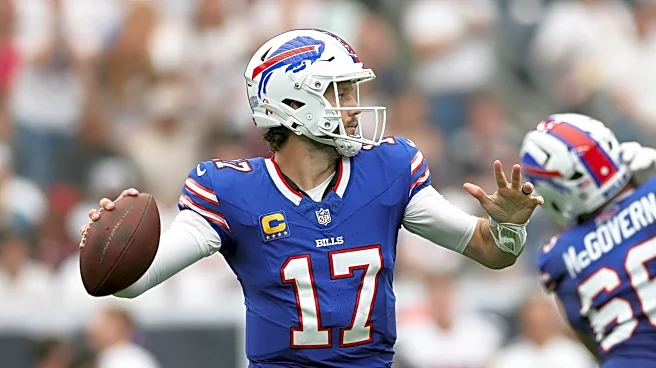
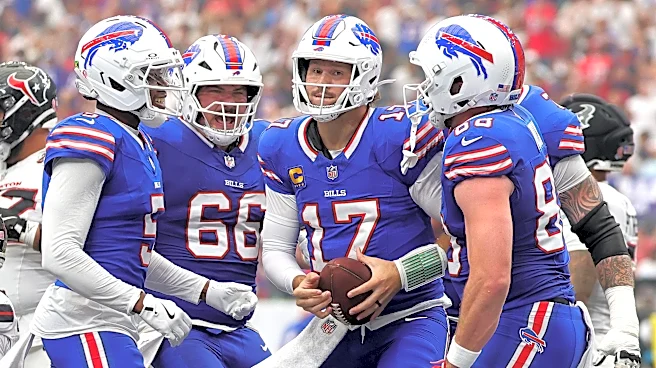
gigantic advocate of this passing framework — particularly with Josh Allen at quarterback — it was glorious to see the Bills go pass-happy on early downs in the season-opening win over the Texans.
Here’s the NFL’s early-down (first and second down) pass frequency through Week 1 in “neutral” situations, which in this case, is based on win probability not being lopsided toward one team (ie. the game is reasonably close in score):

The Bills in sixth place is, in my opinion, a tremendous start for this Joe Brady offense. For as much as I’m inclined to want the Bills to literally lead the league in early-down passing, I do understand the presence of one James Cook, the league’s reigning rushing champion.
Of course — sample size — but check the difference in placement for the Bills in the below graphic that shows every team’s early-down pass frequency in neutral situations from the start of 2024 through 2025.

The Bills finished in 20th in this advanced metric, with a pass rate in those circumstances just under 50%. They were over 60% in Week 1 against the Texans.
There was also this, from Rich Hribar on Twitter:
At this point, you might be asking yourself, “do we know passing on early downs is actually better for an offense than running?”
For The Athletic in 2019, Ben Baldwin wrote “The 10 commandments of numbers-based football analysis” highlighted by the reality that 1st and 10 runs regularly result in modest gains, thereby leaving the offense in 2nd-and-long situations. No bueno. Instead choosing to pass on first down increases the likelihood of getting into a 2nd-and-manageable (or short) scenario or even moving the chains entirely.
A decade earlier, the real seminal piece on this front came from Brian Burke — before he was at ESPN — wrote a tremendous historical run-pass balance article explaining his findings from 1970 to 2009, and (paraphrasing here, of course) proved that because passing performance steadily increased, therefore yielding a higher yards-play-play average than a run, offenses were actually relinquishing efficiency by running the ball at close to a 50-50 split on early downs.
Among all teams in Week 1, the Bills generated the sixth-most Expected Points Added per play and EPA per drop back on first and second down.
And that very well could have been due to how frequently they decided to drop back to pass on those early downs against the Texans.
We’ll see if this trend continues for this new-look offense in Week 2 against the Lions and throughout Buffalo’s 2026 season.