


The Royals announced today they have selected a construction team with Mortenson and McCownGordon heading the project, along with local builder JE Dunn for the proposed downtown ballpark. While the project could still be subject to a public vote, the plans call for a 34,000-seat ballpark located by Crown Center.
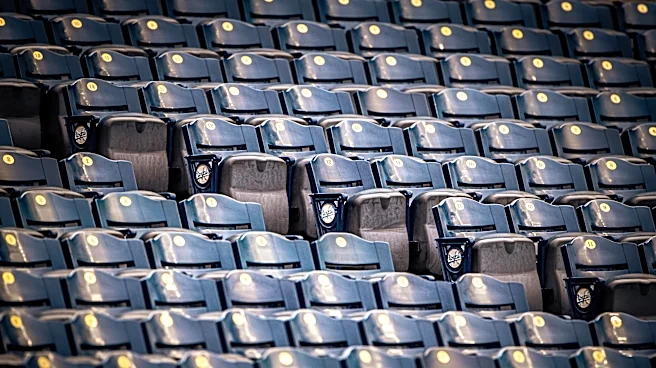
The seating capacity would represent a 10 percent reduction from the 37,903 capacity at Kauffman Stadium, which is a 6.7 percent reduction from the 40,625 seats the stadium held until renovations
in the early 2000s. At 34,000 seats, it would have a smaller capacity than any other current MLB stadium (excluding Sutter Health Park in Sacramento).
But the smaller capacity is part of a larger trend in ballparks. The new Athletics ballpark in Las Vegas is projected to have just 33,000 seats, and a new proposed Rays ballpark in St. Petersburg will have just 31,000 permanent seats. Even recent ballparks for the Braves and Rangers, both of which have capacities over 40,000, reduced the number of seats by 15 percent over their previous homes.
This comes as average attendance at MLB games is above pre-pandemic levels and on pace to rise for the fifth consecutive year. While the number of fans at games is still down from the early 2000s, they are much higher than they were in the 80s and 90s when many teams played in cavernous multi-purpose stadiums.
So what gives?
While it may seem counterintuitive, baseball teams are no longer trying to get as many people into the ballpark as possible. Instead, they are trying to get more out of the people who do show up.
For much of baseball history, stadium economics were fairly straightforward – sell as many tickets as possible, then sell those fans hot dogs, beer, peanuts, and Cracker Jack after they’re in. Even if the stadium sits half-empty for mid-week September games, teams wanted to maximize the number of fans they could accommodate for big draws.
But today, the economics of the modern ballpark are different. Teams increasingly value premium seating, clubs, suites, restaurants, bars and social spaces over another few thousand inexpensive seats in the upper deck. Those amenities take up considerably more room per customer, but they can also generate considerably more revenue. A filing in a 2014 lawsuit showed that the Royals had just 19 private suites, by far the lowest number in baseball and far below the MLB-average of 76.
Fewer seats also constrain supply, which can drive prices up. According to a study by Seatgeek and Doc’s Sports, the Royals have the sixth-cheapest tickets in baseball. The Athletics, who went from playing in a huge football stadium in Oakland to a minor league ballpark with just over 14,000 seats, suddenly had the third-most expensive ticket in baseball to watch a team with a worse record than the Royals.
Forbes estimates the Royals made $76 million in gate receipts in 2025. That is not too bad considering they finished with the fifth-worst attendance. But there is considerably more money to be made from each customer, as teams with recently-built ballparks have found. The Braves, playing at Truist Park, generated an estimated $64 in gate receipts per attendee, while the Rangers generated about $55 per attendee at Globe Life Field.

Does a smaller capacity make sense for the Royals?
The team has never averaged 34,000 fans per game for an entire season. Not counting home openers, the team has only had 25 total games since 2016 with 34,000 fans or more – most of those were filled with Cardinals fans. On the other hand, during their 2015 championship season, they drew 34,000 or more in 41 of their 81 home games.
And part of the argument for moving downtown is that the Royals could draw fans who aren’t coming to Kauffman Stadium now. More than 30,000 people live downtown, while thousands more commute there for work and could more easily catch a weeknight game. If a downtown stadium succeeds in expanding the Royals’ audience, a 34,000-seat capacity that looks perfectly adequate based on recent attendance could suddenly feel a lot more limiting.
A new ballpark must also fit into a tighter location at Crown Center than the sprawling Truman Sports Complex. The anticipated ballpark district would take up 85 acres, about a fifth of the acreage at their current location. With less land available for the stadium, parking and surrounding development, designers will have an incentive to use space more efficiently rather than devote it to thousands of seats that would sit empty for much of the season.
Despite potentially higher prices, a smaller stadium does not necessarily mean a worse fan experience. Fewer seats may create a more intimate environment – it is not as much fun to attend a game with thousands of empty seats. Reducing the amount of space devoted to seating can also give designers more room for wider concourses, gathering areas, restaurants and bars, standing-room viewing areas and other amenities that allow fans to move around the ballpark without losing touch with the game.
A smaller stadium would be more than enough for the Royals on most nights, and a smaller footprint could create a more intimate and enjoyable experience. But the tradeoff will become apparent when the team is good, when fewer seats will mean higher prices and some fans getting shut out. The Royals are designing a ballpark to maximize revenues to compete with other teams. A smaller stadium may make sense for the economics of modern baseball, even if Royals fans someday find themselves wishing there were more seats.