


Sometimes all it takes is a spark, however small, to start a fire and change a team’s trajectory. Even if that spark comes against an opponent you wouldn’t necessarily consider quality.
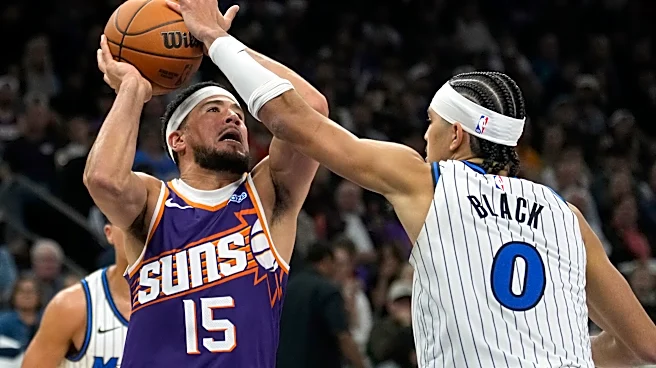
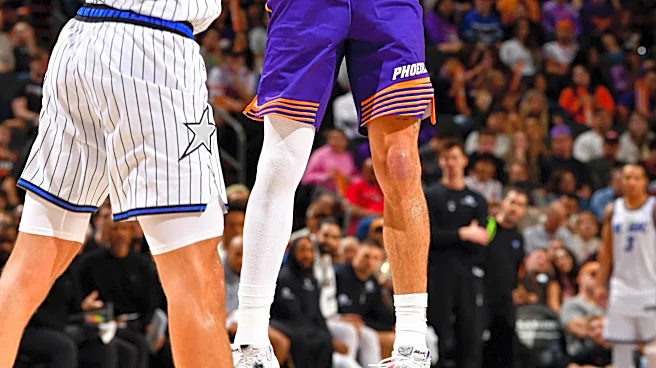
The Phoenix Suns’ 117-104 victory over the Orlando Magic might be that spark, although with Houston and San Antonio staring them down on the schedule over the next few days, there’s a chance we won’t look back at this game as the moment that ignited some great blaze. But there were things we witnessed that can be deposited
into the old adjustments bank, lessons that could serve as valuable reference points when trying to manufacture future victories.
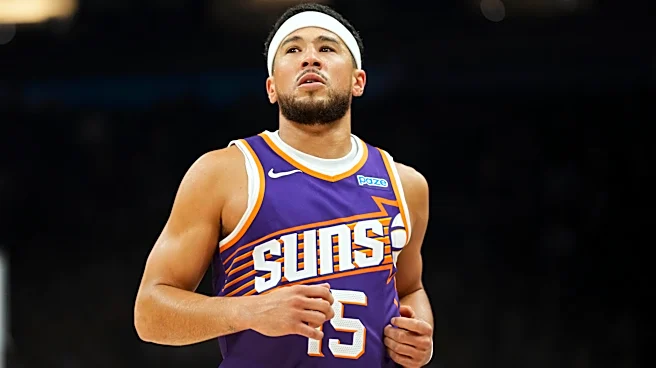
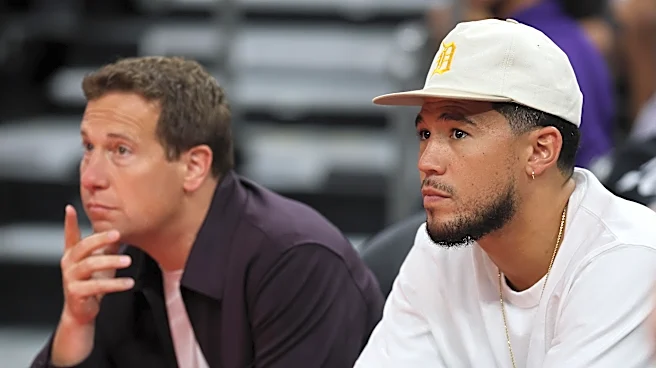
One of those lessons, as obvious as it might seem, is that feeding Devin Booker early remains one of the best ways to give this team an opportunity to win basketball games.
Booker is the $57 million man, and constructing a roster that forces him to assume duplicative responsibilities within the starting lineup isn’t exactly ideal. Too often, we see Booker drift away from his natural role as a shooting guard and become the primary playmaker, tasked with creating opportunities for everyone else rather than focusing on what he does best.
Against Orlando, we saw something different. In the first half, Booker went 8-of-13 from the field, including 3-of-4 from beyond the arc and a perfect 4-of-4 from the free-throw line, scoring 23 points while establishing himself as the focal point of the offense.

Granted, this was the Orlando Magic. Quality opponents have demonstrated the ability to scheme Booker out of games, as we saw earlier this season against a shorthanded Oklahoma City Thunder team. And that’s precisely why the argument for having a quality facilitator persists.
When you have somebody capable of assuming the responsibility of distributing the basketball, opposing defenses have another variable to account for. They have to dedicate attention to disrupting that player’s ability to initiate the offense, which can create more opportunities for Booker to operate as a scorer. And when Booker gets going early, it creates opportunities for everyone around him. As he begins to command the defensive gravity we know he possesses, teammates find themselves with more space and cleaner looks. The hope is that by the time an opposing defense figures out how to slow him down, Booker has already inflicted enough damage to force them into scrambling, opening up opportunities for the rest of the roster to capitalize.
Getting Devin Booker engaged early should be the North Star for this team. If opposing defenses are finding ways to take the ball out of his hands, then it’s the coaching staff’s responsibility to scheme ways to get it back into his hands in situations where he can be effective.
Here’s a fun stat for you. Throughout his career, Booker has attempted 13 or more field goals in the first half of a game 110 times. In those games, the Suns have a .582 winning percentage. And when Booker does what he did last night, shooting 60% or better from the field while attempting at least 13 shots in the first half, that winning percentage climbs to .727. What’s interesting is that since the acquisition of Bradley Beal prior to the 2023-24 season, Booker has attempted 13 or more field goals in the first half 30 times. The other 80 times occurred pre-Beal, with 46 occurring alongside Chris Paul.
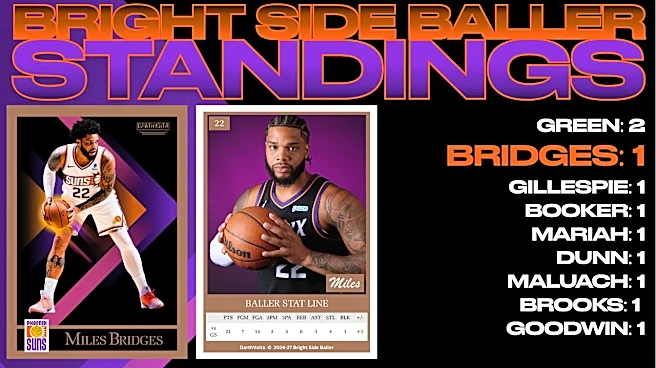
I’m certainly not breaking any new ground by suggesting that your most skilled scorer should be looking to score early and often, especially when doing so creates opportunities for the players around him. But that’s exactly what we witnessed against Orlando. Booker scored only seven points in the second half, yet he added four assists as Dillon Brooks and Miles Bridges began finding more opportunities to contribute offensively, benefiting from the defensive gravity Booker had established earlier in the game.
Perhaps this needs to become a point of emphasis for the coaching staff, along with a mental adjustment for Booker himself. Because when you look at the rosters he’s played alongside since Chris Paul left town, it’s difficult to argue that they’ve consistently been constructed to maximize his greatest strength, which can create a malaise and affinity for falling into distribution responsibilities rather than getting yours.
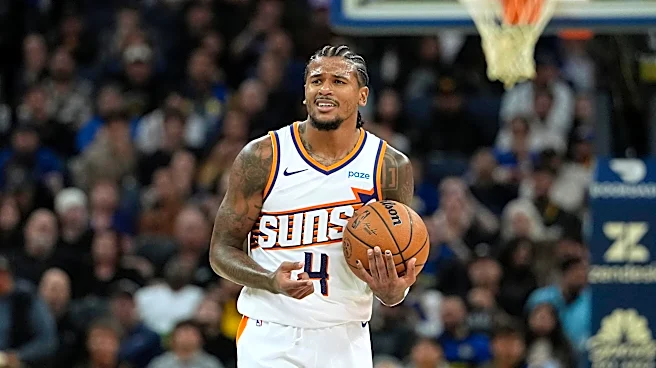
Playing alongside Bradley Beal, whose availability was frequently compromised by injuries, eventually led to stretches in which Eric Gordon or Tyus Jones ran the offense. Now Booker finds himself sharing the backcourt with Jalen Green, another player whose natural instincts lean toward scoring rather than facilitating. None of those combinations has been particularly conducive to allowing Booker to operate consistently in the role where he’s most dangerous.
While there are legitimate criticisms of Booker’s game, particularly his struggles executing in clutch situations and the difficulties he encounters when more physical defenders impose their will on him, those concerns shouldn’t prevent us from recognizing what he does well. When Booker establishes himself offensively early, forces defenses to react, and creates opportunities for his teammates to capitalize, that’s the version of Devin Booker this team needs. And when that approach contributes to a much-needed victory, it deserves recognition and applause.
The Suns aren’t going to solve every roster deficiency overnight, and the challenges of getting Booker quality looks against better competition aren’t going anywhere. But there’s something to be said for simplifying the approach and putting your best player in positions to succeed. Orlando provided a reminder of what happens when Booker dictates the offense rather than reacting to it. If Phoenix is searching for a spark that can become something sustainable, getting Booker going early seems like a pretty damn good place to start.