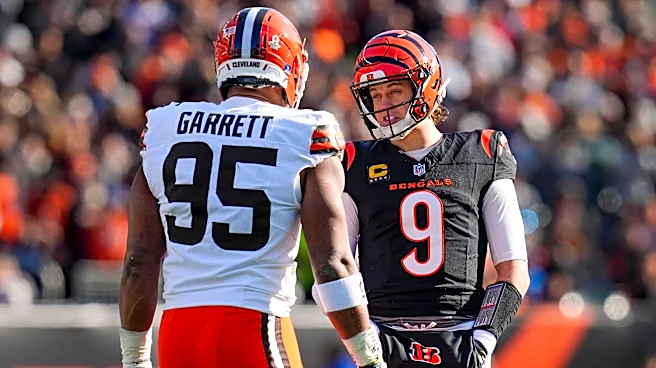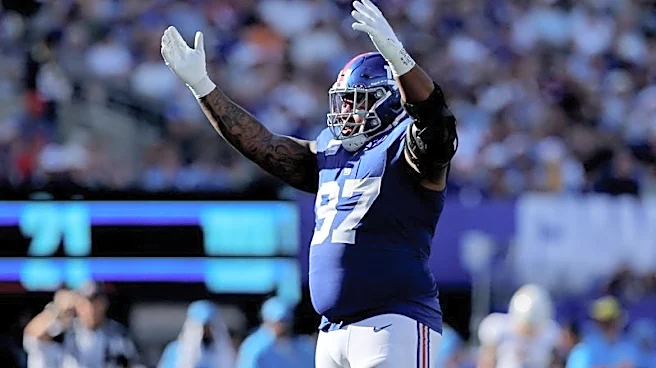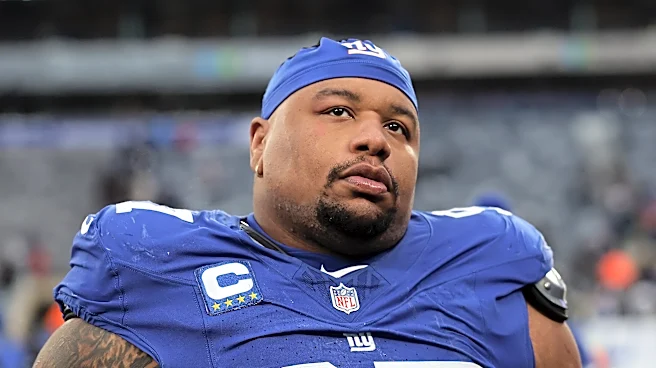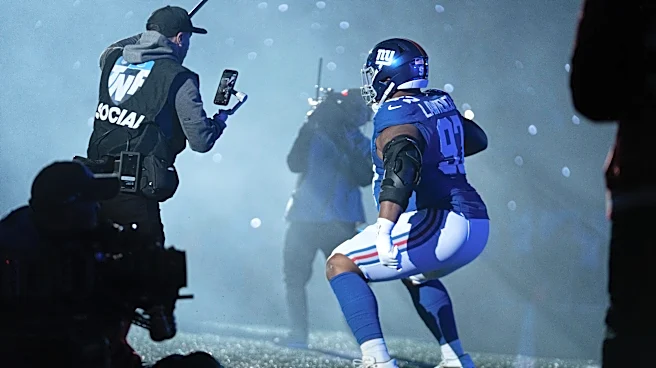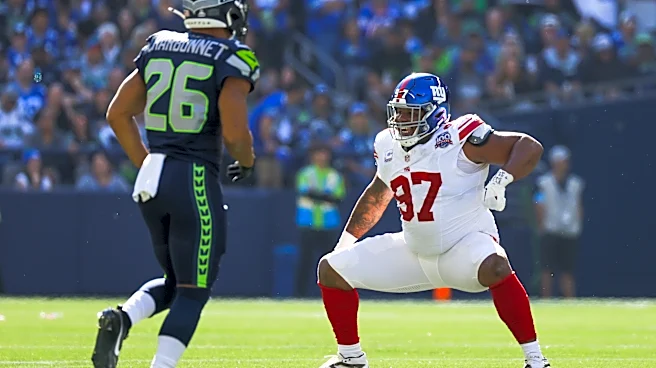





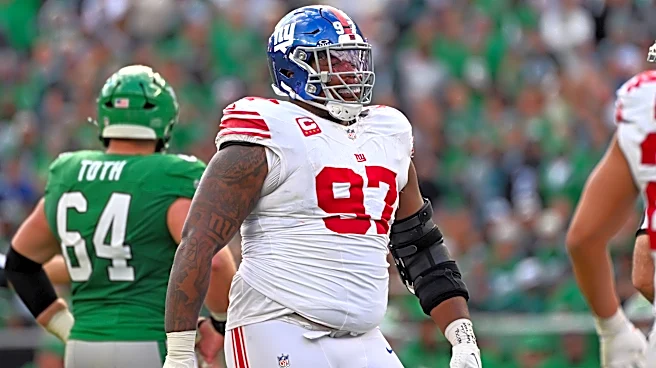
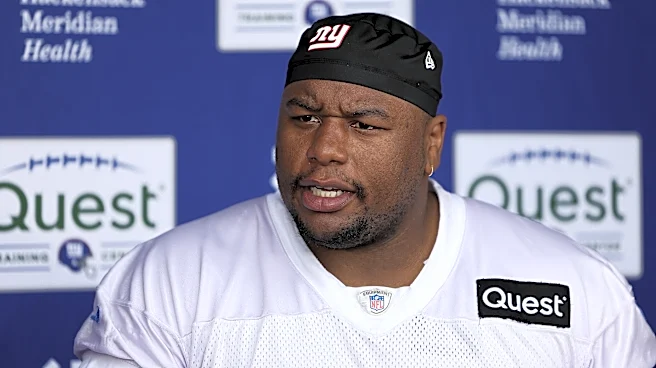
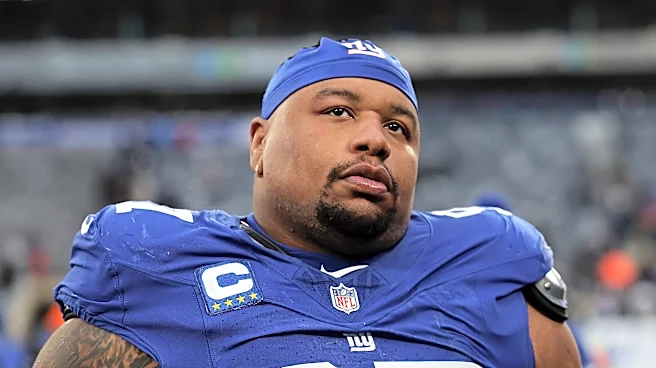
On Sunday, the Cincinnati Bengals finalized a blockbuster trade with the New York Giants to acquire star defensive tackle Dexter Lawrence II. In return, the Bengals sent their No. 10 overall pick for the defensive lineman.
After Lawrence passed his physical to seal the deal, the extension he sought with New York was reached with Cincinnati. However, the terms of the deal aren’t quite what many expected.
It was reported by many outlets that Lawrence signed a one-year contract extension on his existing
deal to keep him in Cincinnati through 2028. However, when the trade news first broke, many felt that Lawrence’s deal would be far lengthier.
Cincy Jungle alum, Orange and Black Insider Bengals podcast co-host, and current Bengals reporter at A to Z Sports, John Sheeran, provided a nice breakdown on Twitter about the further details of the deal.
Before heading to the Bengals via trade, Lawrence was on a two-year, $42 million deal. After the trade was completed, Cincinnati tacked on another year for $28 million to have him in Cincinnati for three seasons.
Sheeran explains that while the deal is now three years and $70 million, it is a quintessential Bengals veteran extension to mitigate risk down the road. There are no new guarantees, and the Bengals have an easy out after year two if Father Time (again, Lawrence is still only 28 years old right now) very unexpectedly catches up with the stud nose tackle.
Online debates have raged about the value Cincinnati both gave up and received in this deal. When looking at a No. 10 selection in any Draft, that’s premium capital. However, this year’s class is a different breed.
Sure, there are many quality players to be found throughout all three days, but there are seemingly fewer blue-chip prospects in this crop than in many other classes. And, with the Bengals’ ultra-hesitant history to give up more draft capital to move up inside the top-10, they likely felt that standing pat at the spot would see their top targets dissipate. That, and a “win now” mindset, set in motion their openness to deal the pick.
But, as Sheeran aptly points out, this deal wouldn’t have occurred without some level of agreement between the Giants, Bengals, and Lawrence on his receiving some kind of extension. And, while there is a sizable raise set for him in 2028, the risk is low for the Bengals, and Lawrence gets his wish to get as far away from the Giants as possible.
Per Spotrac, New York is taking on $13.9 million of dead cap in the move, but also freeing up $13 million in cap space. The cap relief would have likely been more helpful in March, but John Harbaugh’s rebuild—equipped with that space and the Nos. 5 and 10 picks—is fully underway.
(Side note: Harbaugh, who reportedly has a lot of autonomy with the Giants, striking a deal with the Bengals makes one’s head spin, given his long rivalry with Cincinnati.)
Here’s a look at Over The Cap’s most recent breakdown of Lawrence’s contract numbers with the Bengals:

Debate the winners and losers of the deal all you’d like, but this is a win all around for all sides. Lawrence gets out of a place where he felt disenchanted, the Giants now have two picks within the top 10 of this year’s class for their rebuild (while moving a disgruntled player out of conference), and the Bengals get a premier defensive lineman in his prime in a deal that’s palatable by their standards.
It’s possible Lawrence’s arrival pushes the team to explore restructures and/or move someone else off the roster. Regardless, Cincinnati won’t be picking until Night 2 of the draft at this point and may target unexpected areas because of Lawrence’s arrival.
Might the Lawrence move signal greater aggressiveness from the Bengals next weekend?